Author : Alicia Harlov
Alicia Harlov is one of Flex Boots’ Equine Educators and Barefoot Trimming Specialists, where she creates video content as well as written articles pertinent to barefoot hoof health and soundness. Outside of Flex Boots, Alicia is a PHCP-certified hoofcare provider and program mentor who lives on the North Shore of Massachusetts, where she runs a hoof rehabilitation facility with a special focus on navicular horses. She pursues continuing education for hoofcare, equine nutrition and biomechanics at every opportunity, from sources around the world.
Miniature horse hoof care is often underestimated. It’s easy to look at a miniature horse and think, “They’re so small, they must be easy to care for.”
And because many minis are kept as companions or pets rather than performance horses, their care – especially hoof care – can sometimes become a little more relaxed.
But the truth is miniature horses don’t need less care; they need just as much thoughtful, consistent care as any full-sized horse.
In fact, in many cases, they need more attention to detail.

Small Horse, Same Biology
Miniature horses may be tiny, but their hooves function exactly the same way as those of a large horse. They still rely on strong laminae connections, healthy sole depth, proper balance, and consistent loading to stay comfortable and sound.
When hoof care is delayed or inconsistent, minis don’t get a “free pass” because of their size. Instead, small imbalances can quickly turn into bigger issues, especially given how common conformational challenges are in this population.
Why Regular Trim Cycles Matter (Even for Minis)
Miniature horses often benefit from short, consistent trim cycles.
Because many minis are bred more for size and appearance than for structural correctness, it’s not uncommon to see conformational issues such as crooked or offset limbs, toeing in or out, or uneven loading patterns. And while many owners think the smaller the horse, the more they can be thought of as a “pet” that doesn’t need trimming as regularly, often the smaller the mini, the more severe the limb deformities that can lead to hoof imbalance.
Regular trimming helps:
- Keep the hoof balanced under the limb they actually have
- Reduce strain on joints and soft tissues, especially in cases of conformational issues
- Prevent compensations from becoming overt lamenesses
A good trim cycle isn’t just about excess growth or length, but about supporting the individual horse in front of you.

Minis and Laminitis: A Common Risk
Another important reason miniature horses need consistent hoof care is their high risk for metabolic issues and laminitis. Laminitis in minis often starts subtly, and catching it early can prevent devastating hoof issues. Before obvious lameness, you might see early warning signs like:
- A stretched or widening white line
- Thin soles
- Poor wall connection
- Horizontal “event lines” in the hoof wall
- Changes in hoof growth or quality
While these may seem like simply cosmetic issues, they can be clues into systemic internal issues brewing into something more problematic.
A skilled and experienced hoofcare provider can spot these changes early, often before the horse becomes significantly uncomfortable. That early detection can make a huge difference in outcomes, as changes to management, diet, and metabolic care can be implemented to halt laminitis in its tracks.

More Than Just Pasture Pets
Miniature horses are often loved as companions, but they’re still horses. They have the same physical needs, social needs, and mental needs of their larger equine friends. Whether they’re companions, or if they are driving horses, doing groundwork, learning tricks, or retired comfortably in a herd, their hooves play a central role in their quality of life. Even just a few extra weeks of a trimming cycle can mean the difference between comfort and soundness, or missing some early warning signs that can lead to catastrophic hoof issues.

Support When They Need It
For miniature horses that need additional support, whether due to laminitis, thin soles, or workload, modern hoof protection options have come a long way.
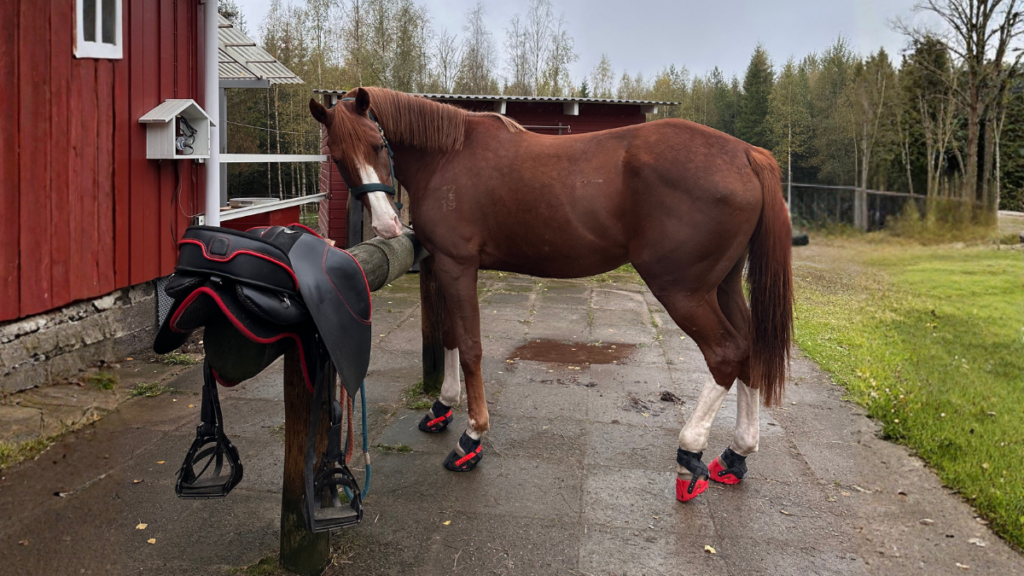
The FlexMini Ahti Boot is one example designed specifically for smaller hooves. These boots can provide:
- Cushioning and protection during rehab
- Support for driving horses
- Comfort during groundwork or trick training
- Extra security on challenging terrain
They’re a helpful tool, and of course not a replacement for good hoof care. That being said, in the right situation, they can make a meaningful difference in comfort and movement.

The Takeaway
Miniature horses may be small, but their care should never be minimized or ignored simply because of their size.
Consistent hoof care, thoughtful trimming, early recognition of warning signs, and appropriate support when needed can help these horses not just exist, but truly thrive.
Because at the end of the day, each and every horse deserves quality care, no matter their size.