Author : Alicia Harlov
Alicia Harlov is one of Flex Boots’ Equine Educators and Barefoot Trimming Specialists, where she creates video content as well as written articles pertinent to barefoot hoof health and soundness. Outside of Flex Boots, Alicia is a PHCP-certified hoofcare provider and program mentor who lives on the North Shore of Massachusetts, where she runs a hoof rehabilitation facility with a special focus on navicular horses. She pursues continuing education for hoofcare, equine nutrition and biomechanics at every opportunity, from sources around the world.
When horse owners hear the term navicular in horses, it often sparks fear. Traditionally, a diagnosis of “navicular disease” or “navicular syndrome” has been linked with chronic, heartbreaking lameness and concerns about long-term soundness. But what exactly does it mean, and is it always as dire as it sounds?
What is Navicular?
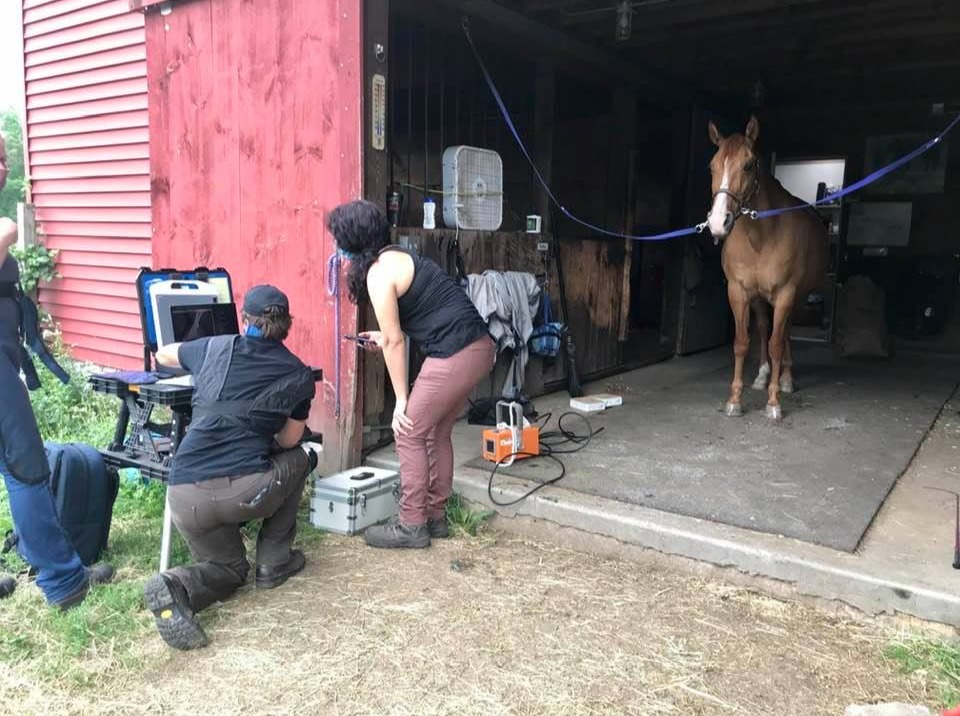
“Navicular” historically has referred to issues involving the navicular bone and surrounding structures in a horse’s hoof – labeled navicular “disease” if bone changes were found on radiographs, and navicular “syndrome” if no bone changes were found. Veterinarians usually diagnose it by starting with a lameness evaluation to determine the location of the horse’s pain. If a horse becomes sound after a palmar digital nerve block – which numbs the back half of the foot – the horse is determined to have “caudal hoof pain” and navicular issues are explored through diagnostics such as radiographs and even MRIs.
Diagnosis isn’t always straightforward, however. Nerve blocks can numb more of the foot than intended, radiographs often don’t clearly separate sound horses from lame ones, and MRIs may reveal old injuries or changes that aren’t necessarily causing pain. In short, imaging and testing may not always pinpoint the true source of discomfort.
For years, navicular was considered a degenerative, incurable disease. Yet, many veterinarians and researchers suggest that it’s more complex. Focusing on growing a healthier hoof has led many cases to soundness, often improved by nutrition, proper biomechanics, and good hoofcare.

Instead of focusing solely on drugs or special shoes, some experts encourage horse owners to look deeper – sometimes the pain diagnosed as “navicular” could actually be caused by other issues, such as thin soles, frog health, thrush, or other challenges due to weak hooves and weak internal structures, often linked to metabolic or diet-related issues.
Common Treatments – and Their Limits
Traditional treatments for navicular issues include bar shoes, wedges, joint injections, or medications like bisphosphonates (Tildren, Osphos) and isoxsuprine. These may provide temporary relief, but research shows they can have drawbacks:
- Bisphosphonates may interfere with natural bone healing in the entire body.
- Isoxsuprine has shown little proven effect in studies.
- Long term use of wedges can shift pressure in the hoof, affecting hoof health, and worsen long-term damage.
Because of these limitations, many horses often don’t find lasting relief from conventional options alone, and many end up right back where they started: lame again.
A Different Approach

A growing body of evidence suggests that addressing overall hoof and body health can make a big difference:
- Diet: Proper nutrition supports strong hoof growth and healthier laminae.
- Thrush treatment: Cleaning up frog infections can reduce pain in the heel and encourage comfortable movement.
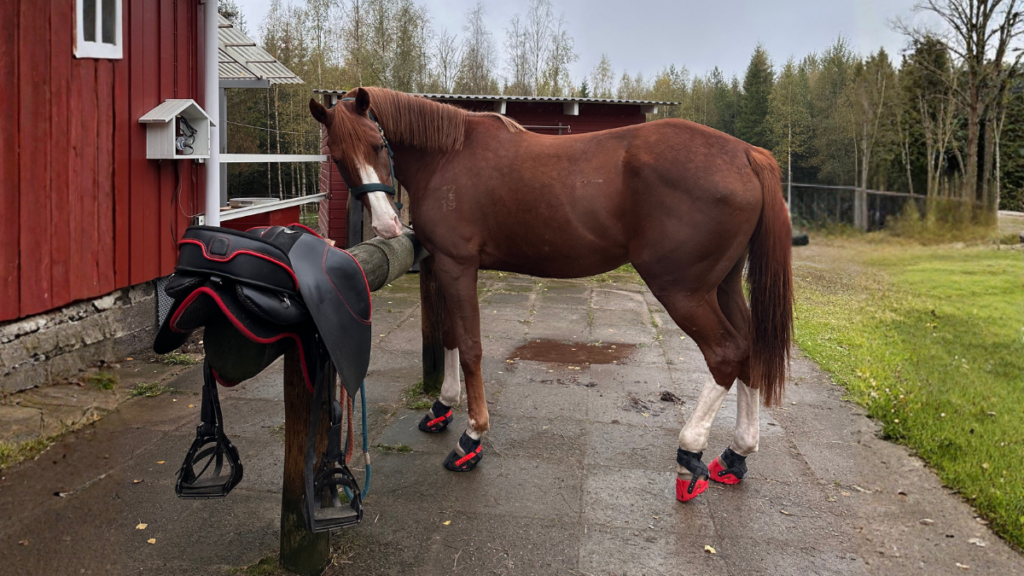
- Movement and hoof care: Providing care that allows for comfortable, heel-first landings helps strengthen soft tissue and prevent further damage. Using pea gravel, boots and pads, and feeding a mineral balanced diet can make this movement more comfortable and promote healing of internal structures.
- Individualized approach: Not every horse needs the same trim; good farriers and trimmers adapt to each horse’s unique hoof.

While no one can promise a full recovery in every case, many do improve significantly. By addressing diet, hoof balance, frog health, and movement, horse owners may find that what once seemed like a career-ending diagnosis can not only be managed, but often rehabilitated. Navicular doesn’t have to be a life sentence for your horse. With the right management, many horses go on to live sound, comfortable, and active lives.

FAQ
What is navicular in horses?
Navicular in horses refers to pain originating from the back of the hoof, often involving the navicular bone and surrounding structures.
Is navicular always a permanent condition?
Not necessarily. Many horses improve significantly when underlying hoof health, movement, and management are addressed.
What causes navicular pain in horses?
Pain may be linked to multiple factors, including hoof balance, thin soles, frog health, and overall biomechanics.