
Author : Alicia Harlov
Alicia Harlov is one of Flex Boots’ Equine Educators and Barefoot Trimming Specialists, where she creates video content as well as written articles pertinent to barefoot hoof health and soundness. Outside of Flex Boots, Alicia is a PHCP-certified hoofcare provider and program mentor who lives on the North Shore of Massachusetts, where she runs a hoof rehabilitation facility with a special focus on navicular horses. She pursues continuing education for hoofcare, equine nutrition and biomechanics at every opportunity, from sources around the world.
As summer progresses in the Northern Hemisphere, seasonal changes can create a perfect storm for laminitis in susceptible horses. For horses with metabolic disorders such as Equine Metabolic Syndrome (EMS) or Pituitary Pars Intermedia Dysfunction (PPID), this time of year often requires us to pay extra attention to what’s happening with our horses.
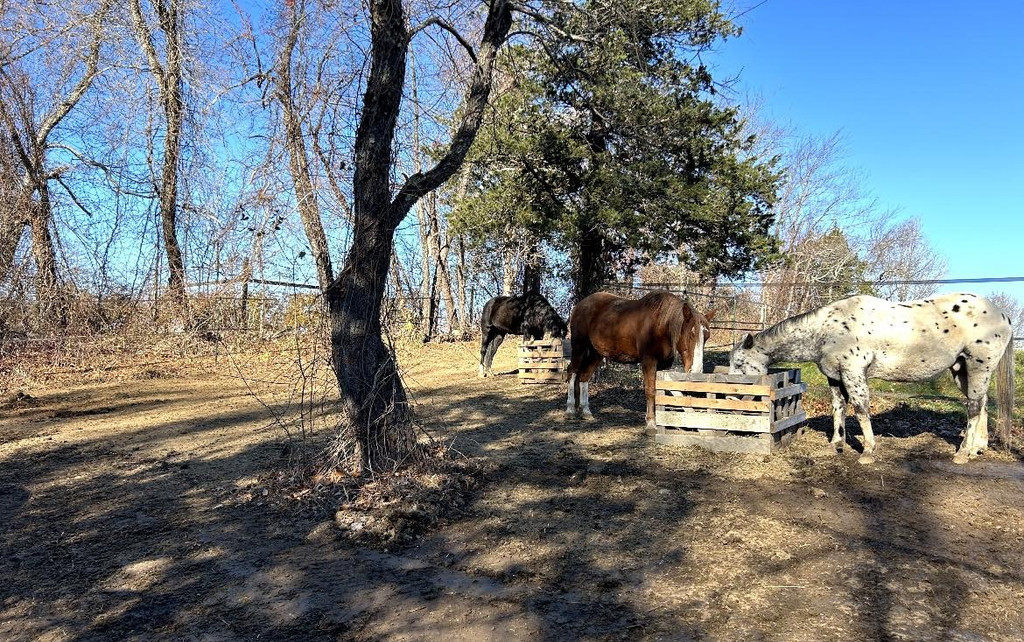
Many horse owners are aware of the risks associated with the growth of pasture, weeds, or grass paddocks in the spring through fall. These fresh sources of forage can be sky high in sugar, leading to hoof issues such as laminitis in sensitive horses. Even a small amount of grass along a paddock fenceline can be enough to push a metabolic horse into a laminitic attack. It’s important to be aware of what your horse is consuming, even if it seems “benign” or “barely any grass.” One thought to consider is: if your horse wasn’t in the paddock, how much grass would be there? If it’s a considerable amount more than what you’re seeing, your horse is likely consuming it, which can be causing an issue.
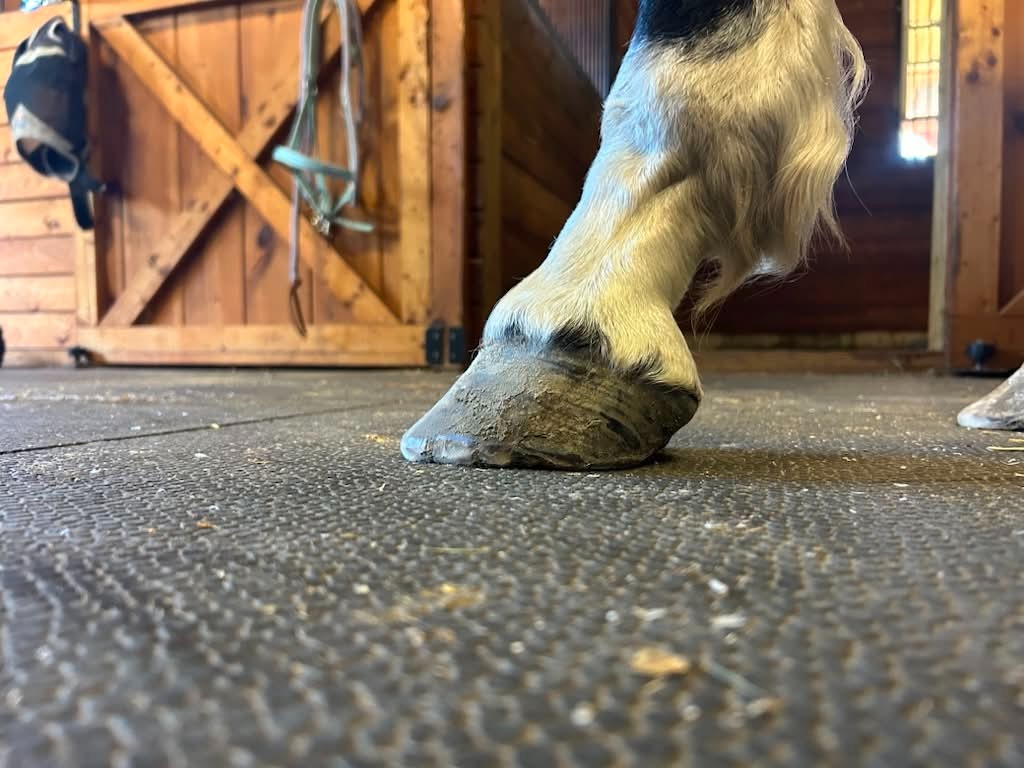
Another important seasonal factor that is often overlooked is the annual rise in ACTH. ACTH is a hormone involved in preparing the horse for seasonal changes, such as growing a winter coat. While all horses experience a seasonal increase in ACTH, horses with PPID can have an exaggerated response, potentially triggering a cascade of metabolic and inflammatory changes that increase the risk of laminitis.
As a result, it is not uncommon to hear that a horse has “foundered out of nowhere.” In reality, however, the body often provides warning signs long before a severe laminitic episode occurs. The hooves frequently act as the horse’s “check engine light,” offering clues that something deeper may be going wrong.
Recognizing these subtle changes early can make a significant difference in preventing a mild issue from becoming a devastating one.
Changes in Energy Levels
One of the earliest signs of developing hoof discomfort may be a change in a horse’s willingness to move.
Because these changes are often gradual, they can easily be dismissed as laziness, aging, changes in weather, or a temporary lack of motivation. However, a horse experiencing mild hoof pain may simply be trying to reduce movement because movement has become uncomfortable.
This can look like:
- A horse that normally canters enthusiastically when turned out but now only trots.
- A horse that once trotted off to join pasture mates but now walks to them.
- A horse that spends more time standing and less time moving around the field.
While these changes alone do not confirm laminitis, they should never be ignored, especially in a horse with known metabolic risk factors.
Changes in Turning
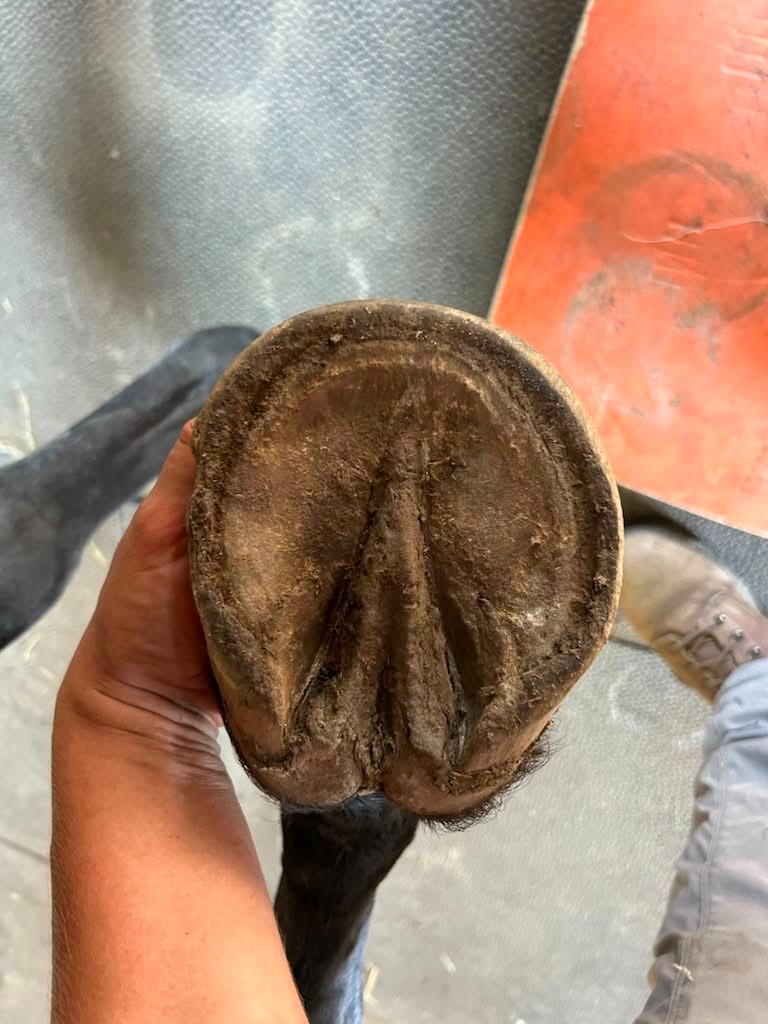
Turning places additional stress on the structures within the hoof capsule, making it one of the first movements affected when a horse develops hoof pain.
Some horses become noticeably reluctant to turn. In mild cases, this may appear as stubbornness or hesitation when being led. The horse may seem resistant to changing direction or take wider turns than usual. In more advanced cases, horses may rock back onto their hindquarters, shorten their stride, or visibly “gimp” while turning.
Because these signs can be subtle at first, paying attention to changes in normal behavior can provide valuable clues before obvious lameness develops.
Increased Sensitivity to Terrain
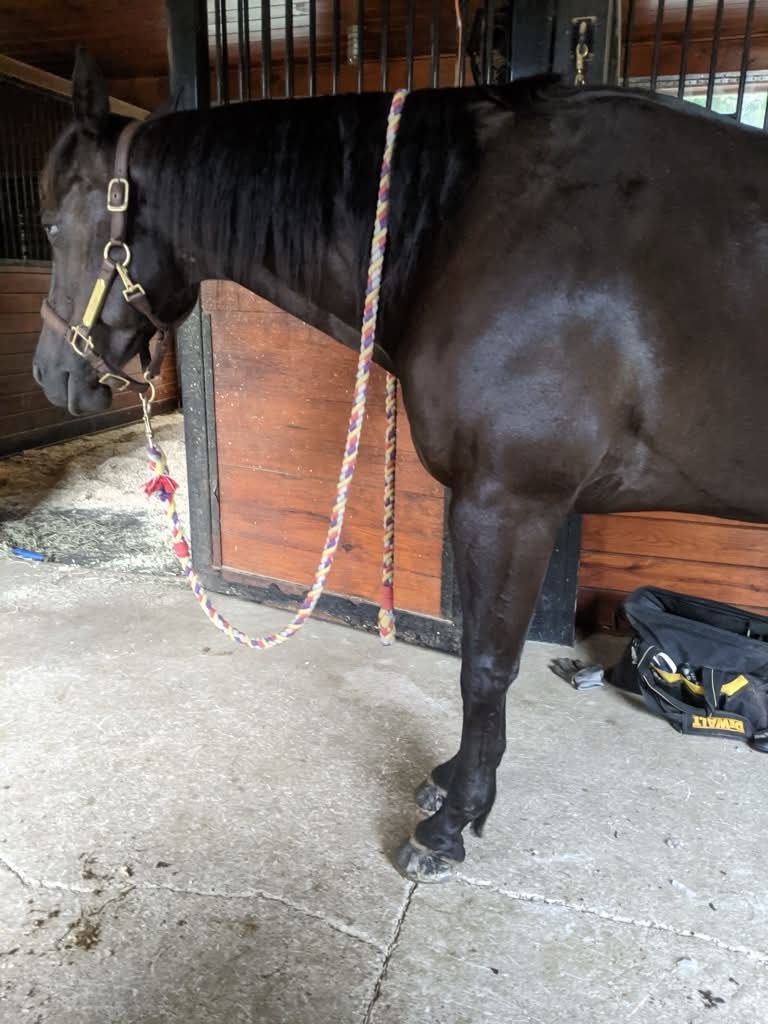
A horse that was previously comfortable over a variety of footing types but suddenly begins avoiding certain surfaces may be experiencing inflammation within the hoof.
One of the most common early warning signs is increased sensitivity to gravel or rocky ground. Some horses show very subtle changes, such as subtly drifting to the edge of a path to seek softer footing. Others may shorten their stride, walk cautiously, or become visibly lame when crossing stones or hard surfaces.
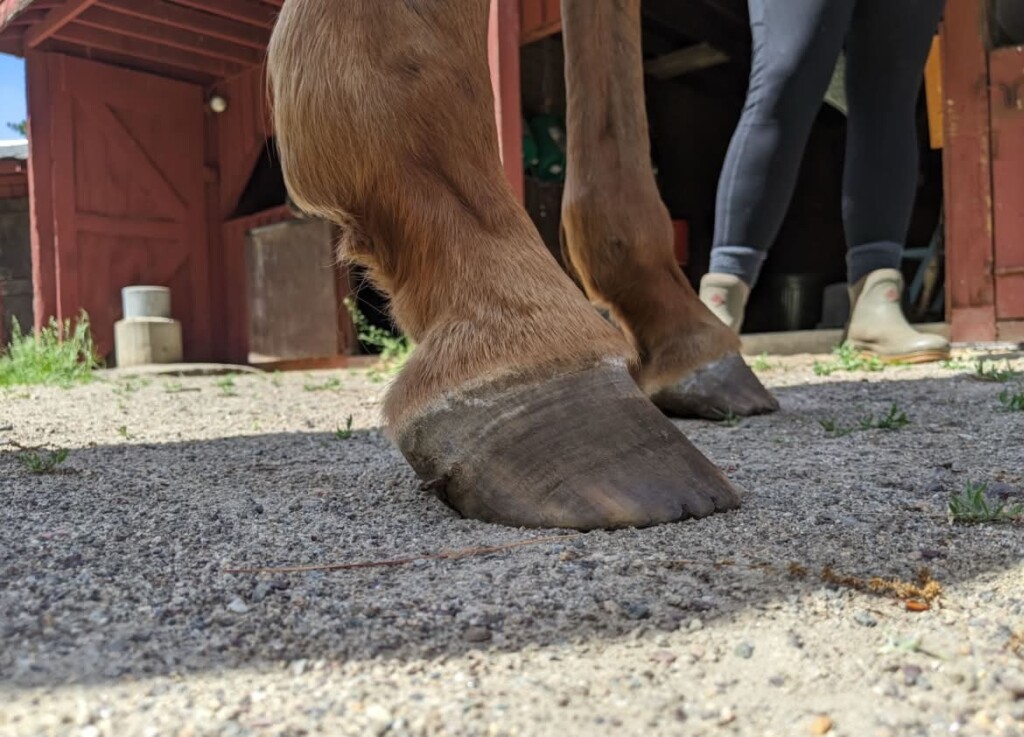
Even gradual changes in comfort over various terrain deserve attention. Hoof discomfort can develop over time, and many horses compensate remarkably well until more serious issues are going on. It’s important to catch these warning signs before changes become worse.
Changes in Hoof Temperature
Inflammation within the hoof can cause the feet to feel warmer than normal. However, hoof temperature can be challenging to evaluate accurately because many environmental factors influence how warm a hoof feels.
The ambient temperature can affect how the hoof feels, for example. On a very cold day, with cold hands, a hoof may naturally feel warmer. On the other hand, a horse standing for a while in the sun may have feet that feel warmer outwardly, but are not dealing with inflammation.
For this reason, the most valuable information comes from knowing what is normal for your horse. Regularly feeling your horse’s feet during different conditions helps establish a baseline, making it easier to recognize meaningful changes when they occur.
Changes in the Digital Pulse
The digital pulse is one of the most useful indicators of inflammation within the hoof.
In a healthy horse with comfortable feet, the digital pulse is often faint and sometimes difficult to locate. Many owners mistakenly assume they cannot find it because they are searching too briefly. Since horses have relatively slow heart rates, patience is often required.
A normal digital pulse may feel faint or difficult to detect, while a concerning digital pulse is often strong or bounding, or easily palpable with even light finger pressure.
When inflammation develops within the hoof, blood flow increases, making the pulse significantly more noticeable. Like hoof temperature, the digital pulse is most useful when you know your horse’s normal baseline. Regular monitoring allows subtle changes to be recognized early.
Hoof Capsule Changes
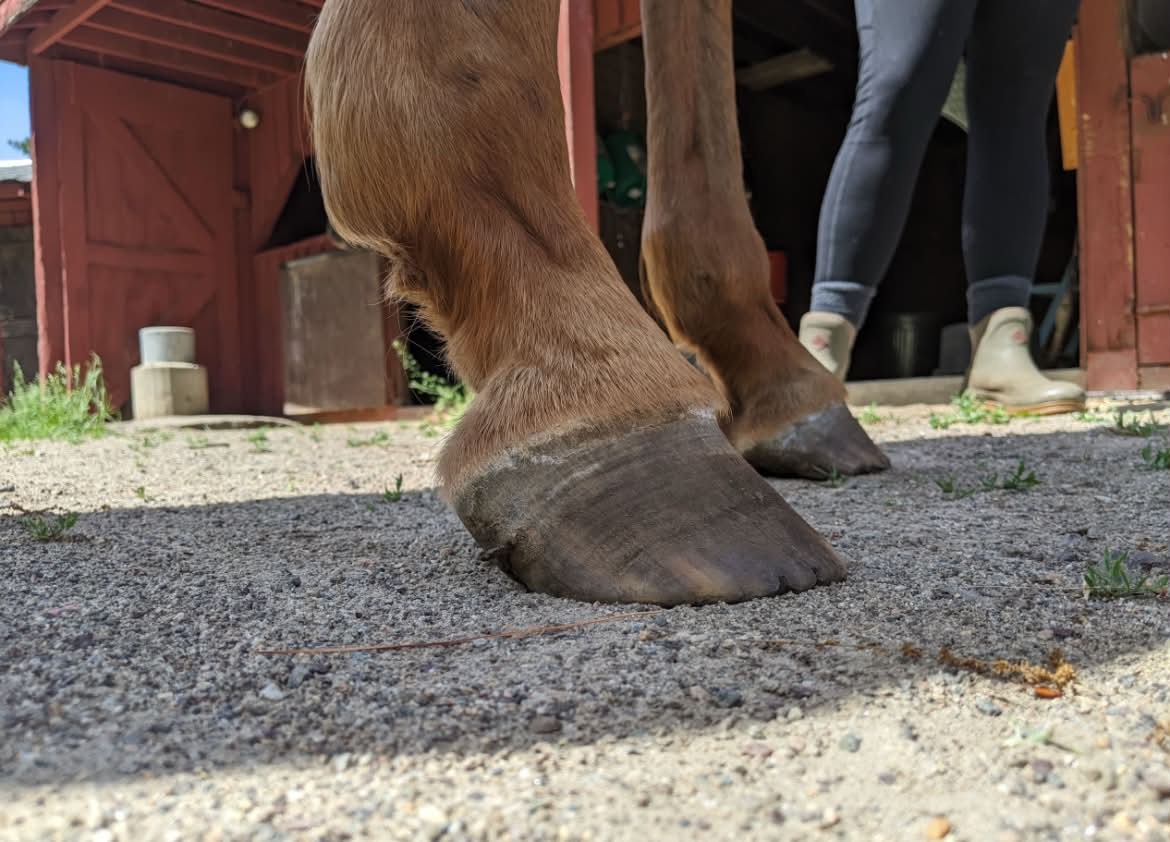
In the early stages of laminitis, we may not notice any changes to the actual hoof capsule right away. That being said, for some horses, we can see issues visually in the hoof before discomfort shows up.
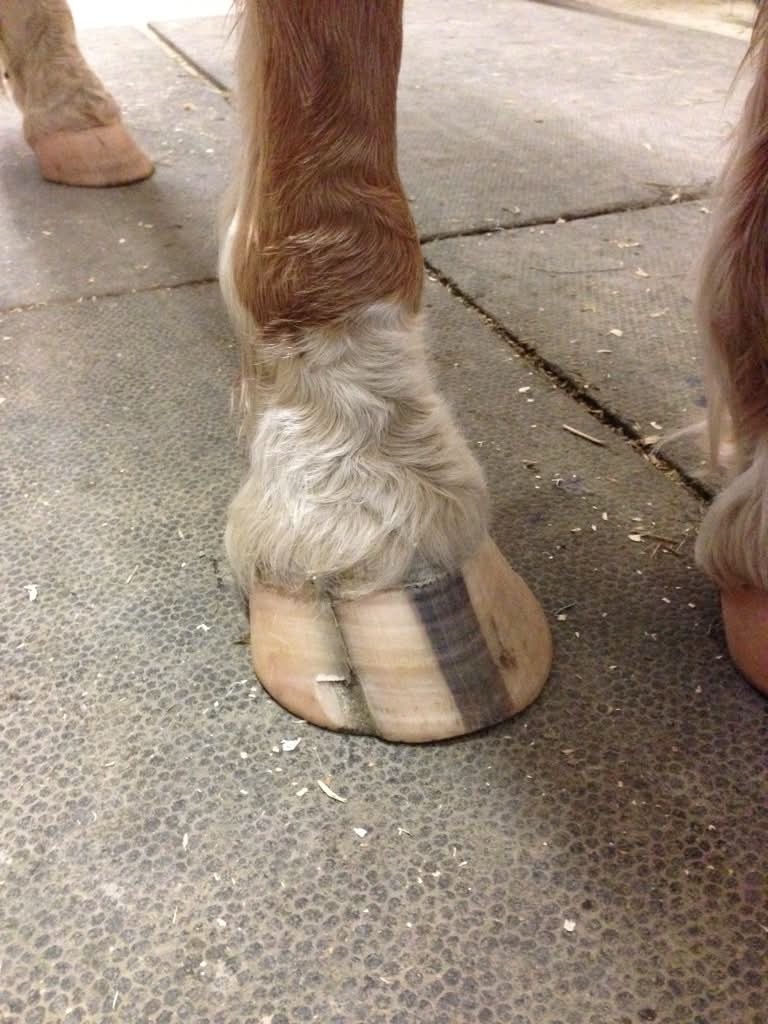
Event lines are one way to note inflammation in the hoof capsule. A singular issue can result in one event line across the foot, but chronic issues with diet, metabolic problems, or systemic health issues can result in recurring event lines on the hoof wall.
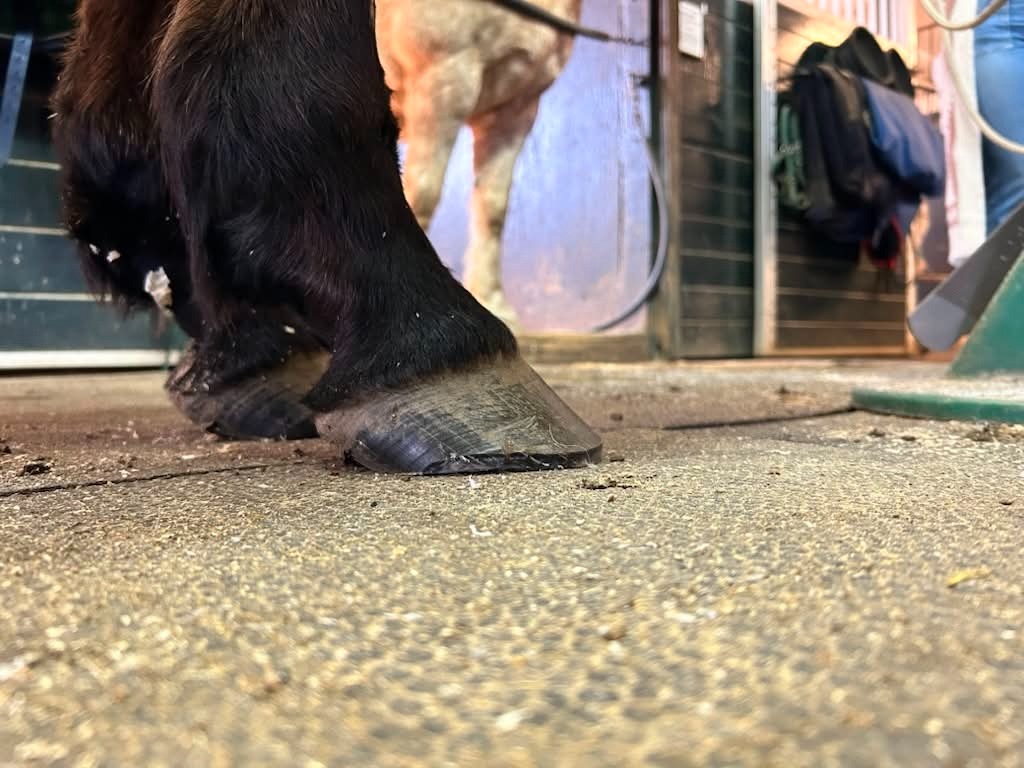
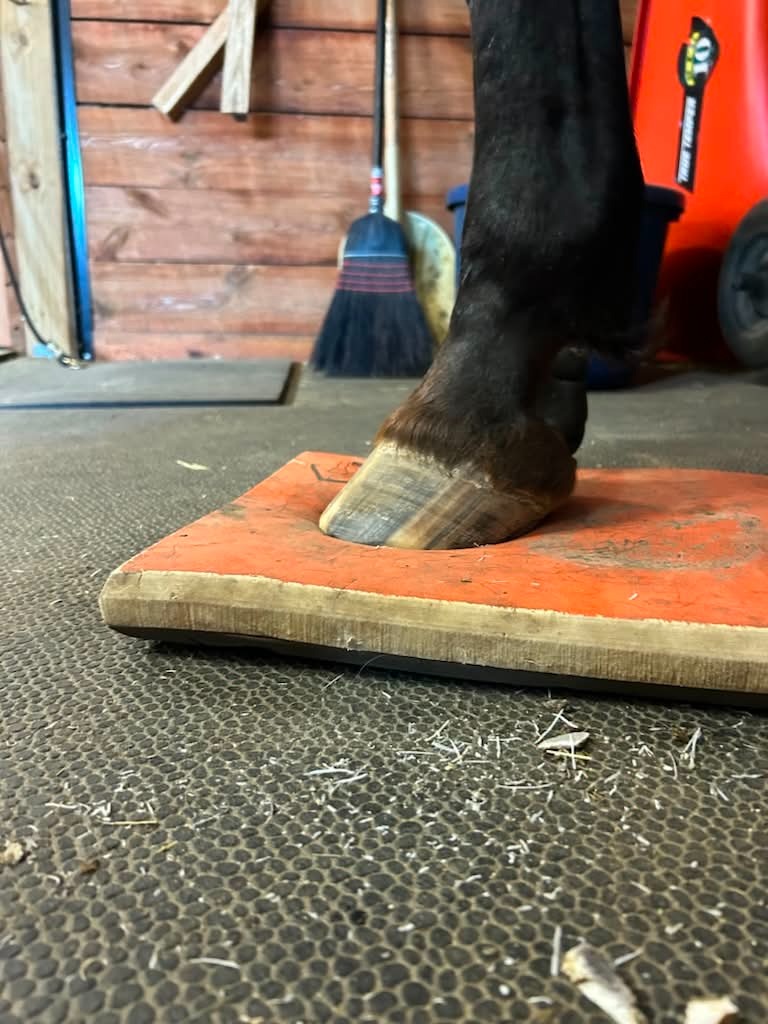
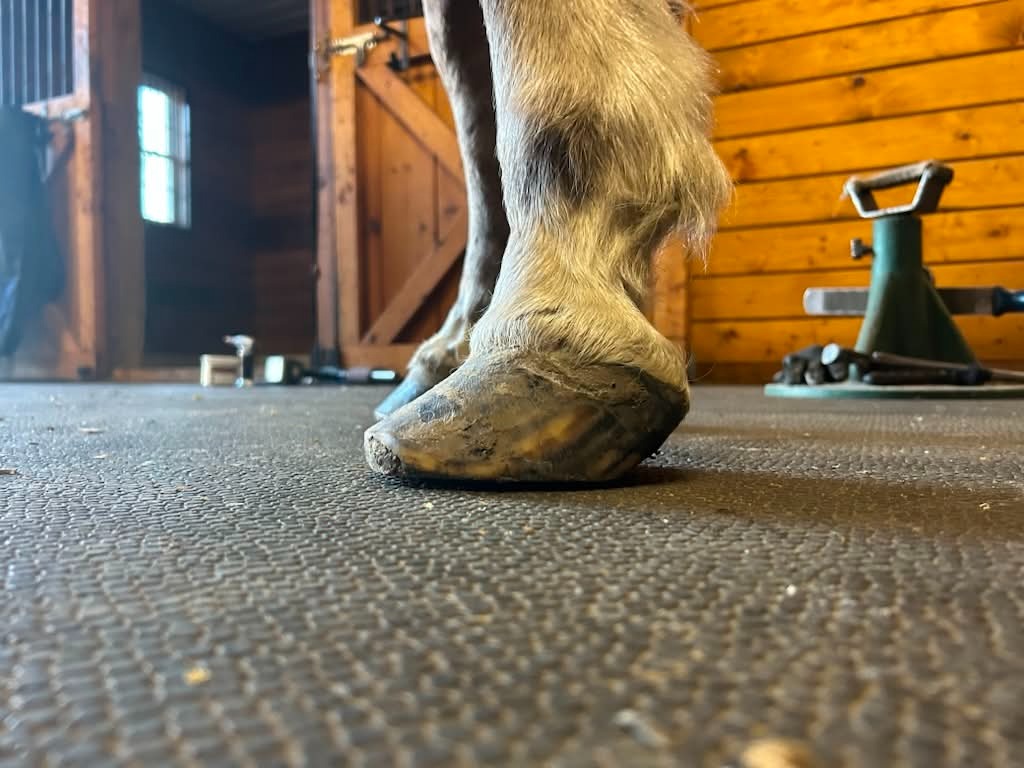
Horses dealing with laminitic issues may also grow a longer toe due to a stretched white line, or taller heels due to circulation changes in the hoof.
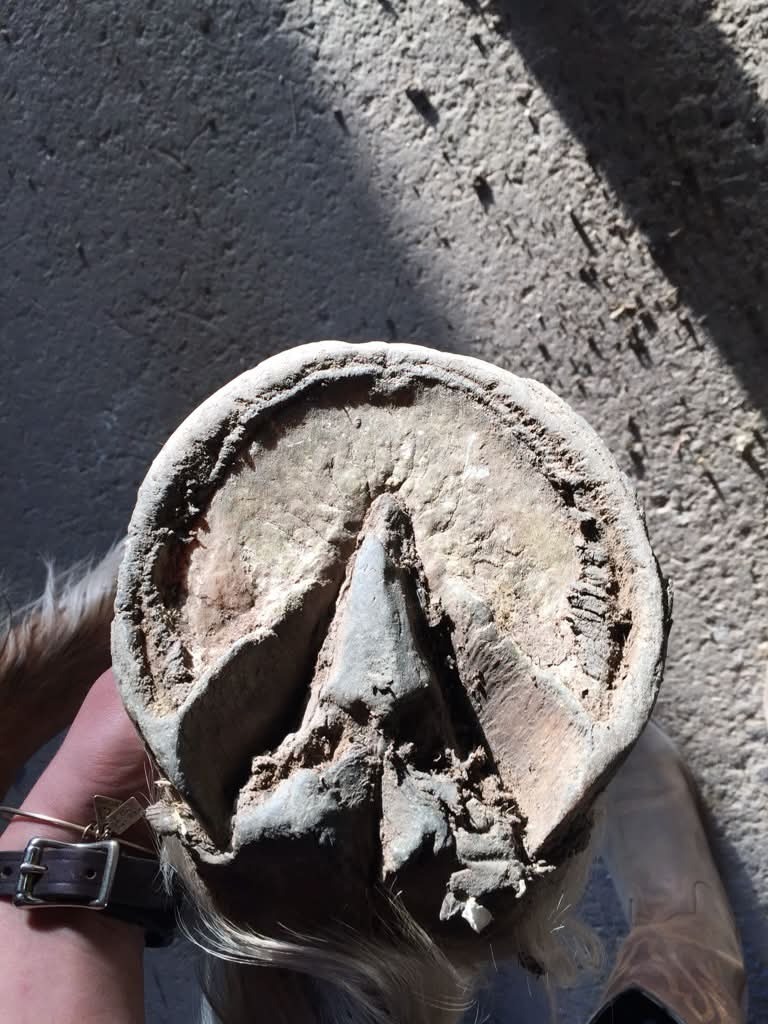
A loss of concavity can indicate changes internally. In addition to sole changes, flaring of the hoof wall can also mean the laminae connection has weakened.
Watching for hoof capsule changes can help to identify issues before lameness is visible.
Overt Lameness
While many horses show subtle warning signs before becoming obviously lame, some will develop overt lameness as one of the first noticeable symptoms.
A common misconception is that laminitis must affect both front feet equally. In reality, laminitic changes can appear more severe in one foot than another. Often, the horse’s “weaker” foot or the foot already carrying more stress will show signs first.
This can lead owners to assume the horse has:
- A stone bruise
- An abscess
- A minor soft tissue injury
- A simple hoof sensitivity issue
While these conditions are certainly possible, laminitis should always be considered and ruled out first when a horse develops unexplained hoof-related lameness. Early intervention can dramatically improve outcomes and may prevent the progression to rotation, sinking, or chronic laminitic damage.
The Importance of Paying Attention
The most severe laminitic episodes rarely occur without warning. More often, the horse has been providing subtle clues for days or even weeks beforehand. Small changes in movement, comfort, behavior, hoof temperature, or digital pulse can all serve as early indicators that something is changing internally.
The feet are often the first place systemic problems reveal themselves. By paying attention to these early warning signs and investigating them, horse owners can identify potential issues sooner, seek veterinary guidance when needed, and potentially prevent a mild case from becoming a life-changing one.
When it comes to laminitis, early detection is one of the best ways to prevent catastrophic damage.
If you’d like to develop your eye for healthy hoof structures and recognise problems sooner, explore the free Healthy Hooves 101 lesson and our in-depth articles on hoof health in the Hoof to Horse Academy.