Author : Alicia Harlov
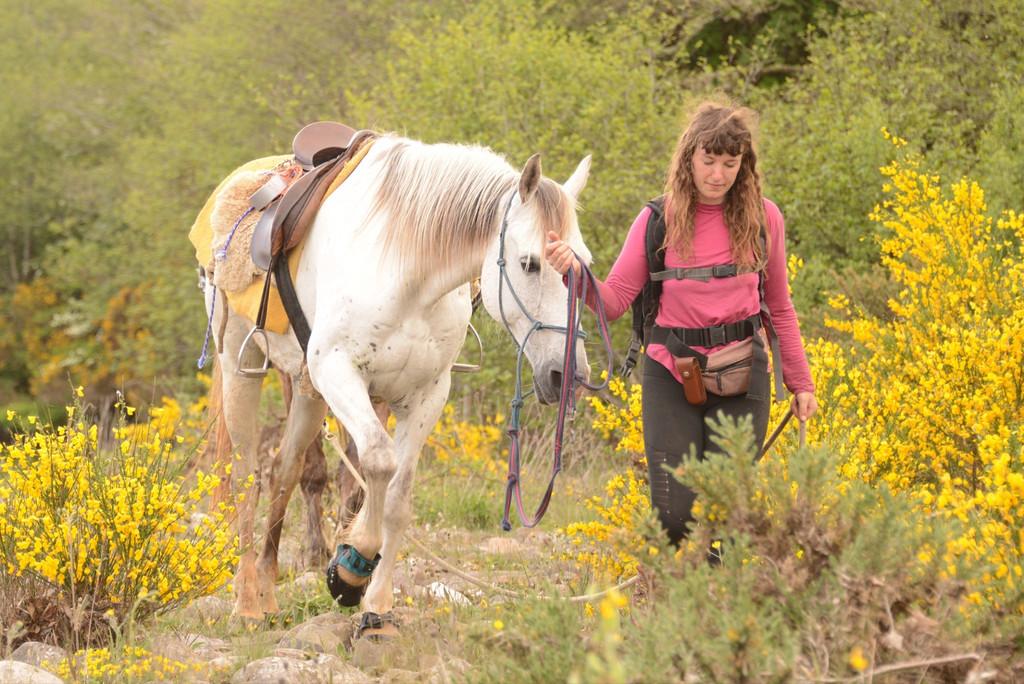
Alicia Harlov is one of Flex Boots’ Equine Educators and Barefoot Trimming Specialists, where she creates video content as well as written articles pertinent to barefoot hoof health and soundness. Outside of Flex Boots, Alicia is a PHCP-certified hoofcare provider and program mentor who lives on the North Shore of Massachusetts, where she runs a hoof rehabilitation facility with a special focus on navicular horses. She pursues continuing education for hoofcare, equine nutrition and biomechanics at every opportunity, from sources around the world.
Fall can be a beautiful time to own horses. Cooler mornings, fewer bugs, changing leaves, and comfortable riding weather are usually a welcome change after a long summer. But from a hoof health standpoint, fall is also a season when we may need to become a little more vigilant.
A horse that seemed perfectly comfortable all summer may suddenly become hesitant on gravel. They may start taking shorter steps, become reluctant to turn tightly, or look a little “off” without showing an obvious lameness. In more significant cases, they may develop the classic signs of laminitis: increased digital pulses, heat in the feet, difficulty turning, a rocked-back stance, or significant hoof pain. It can feel as though something suddenly went wrong. In reality, there may have been metabolic changes happening beneath the surface for quite some time.
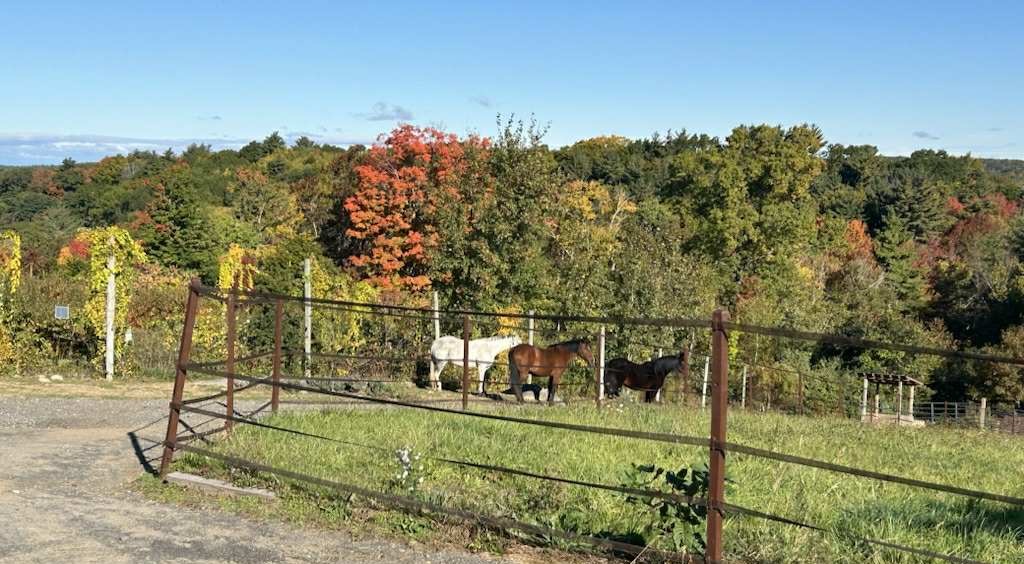
When a horse develops unexplained foot soreness or laminitis in the fall, two things should be high on the list of conversations to have with your veterinarian: insulin resistance and PPID (pituitary pars intermedia dysfunction), particularly the seasonal rise in ACTH.
These two problems can also overlap. Understanding what is happening inside the horse can help us understand why fall can be such a challenging season for certain feet.
Most Laminitis Is Metabolic
One of the biggest changes in our understanding of laminitis has been recognizing just how commonly it is associated with endocrine disease. Endocrinopathic laminitis makes up about 90% of laminitis cases, and is associated primarily with insulin resistance, PPID, or a combination of the two.
This means that laminitis isn’t simply a problem originating in the hoof – in fact, it isn’t a disease in itself at all. Laminitis is a symptom – the hoof is where we see the consequences, but the trigger may be happening elsewhere in the body.
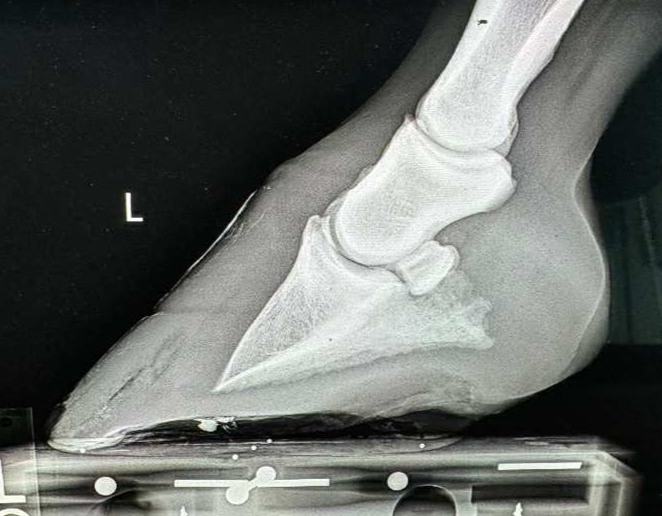
This is why a horse that becomes footsore shouldn’t automatically be assumed to have been trimmed too short, be reacting to hard ground, or simply have “sensitive feet.” Those things can certainly affect comfort, but unexplained or recurring soreness, especially when it appears seasonally, requires further investigation.
Bloodwork can give us valuable information about what is happening metabolically instead of forcing us to guess based only on what the feet look like.
Fall Laminitis Risk: Insulin and Grass
Grass doesn’t contain a fixed amount of sugar throughout the day or throughout the year. Plants are constantly producing, storing, and using carbohydrates depending on sunlight, temperature, growth, stress, and other environmental conditions.
During daylight, photosynthesis allows the plant to produce carbohydrates. Under favorable growing conditions, some of those carbohydrates are then used overnight for growth and other metabolic processes. This is where the familiar advice about early-morning grazing comes from. Under certain conditions, grass may contain less sugar in the early morning – between 4am and 10am – than it does later in the afternoon, as the grass uses the sugar to grow overnight and the stores are mostly depleted by the morning. As the sun beats down on the grass throughout the day, the sugar levels rise, leading to sugar peaks most often seen early afternoon through the evening.
But, as easy as it would be to assume this is the golden rule when it comes to grazing, temperature plays an important role in how that sugar is – or isn’t – used.
When nighttime temperatures become cold enough to slow plant growth, the plant may not use its stored carbohydrates overnight as efficiently as it would during warmer growing conditions. That means a cold fall morning shouldn’t automatically be considered a “low-sugar” grazing window simply because the clock says 6:00 a.m.
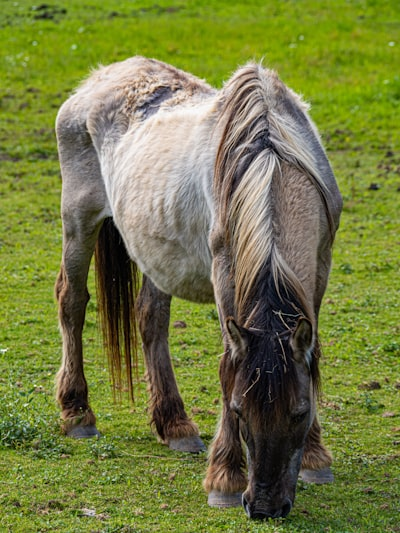
This becomes particularly important when nights begin dropping into roughly the 40s Fahrenheit (around 7 degrees C) and especially around frost conditions. The exact carbohydrate concentration can’t be determined from temperature and time of day alone – grass species, sunlight, plant stress, maturity, moisture, grazing and grass health, and many other factors matter – but cold nights should make owners of metabolically vulnerable horses more cautious rather than less.
Even tiny amounts of grass can matter for some horses. The short grass growing around the edge of a dry lot, weeds along a fence line, or a seemingly insignificant patch of green growth may be much more relevant than it looks. Drought and overgrazing can complicate things further because stressed plants don’t necessarily behave the way we expect. Not only that, but rain after a dry period can produce rapid new growth leading to a spike in sugar as well. Fall pasture management therefore needs to be based on the individual horse and conditions rather than a universal grazing schedule.
Why Insulin Can Hurt the Feet
To understand why we’re concerned about grass, we need to look beyond “sugar is bad.” When a horse eats carbohydrates that stimulate a rise in blood glucose, the pancreas releases insulin. Insulin is an essential hormone. One of its jobs is helping regulate glucose and signaling tissues throughout the body about nutrient availability. In a metabolically healthy horse, insulin rises appropriately after eating and then comes back down.
A horse with insulin resistance/dysregulation doesn’t handle that process normally. Some horses produce an exaggerated insulin response to a meal. Others may have persistently elevated insulin. Some demonstrate tissue insulin resistance, meaning the body needs to produce increasingly large amounts of insulin to achieve the desired metabolic effect. The result can be hyperinsulinemia, or too much insulin circulating in the bloodstream.
Research has demonstrated that prolonged high insulin concentrations can induce laminitis. This is different from the older idea that every case of laminitis begins with massive inflammation or “toxins” traveling into the feet, or some circulating theories that laminitis comes from an incorrect trim or hoof imbalance. In endocrinopathic laminitis, excessive insulin appears to disrupt normal signaling and regulation within the lamellar tissues. The lamellae are the incredibly intricate structures that connect the the coffin bone inside the hoof capsule to the hoof wall.
Think about the job those tissues perform. A horse may weigh 1,000 pounds or more, and the lamellar connection has to withstand that load while the horse stands, turns, trots, gallops, and lands on each foot. Even when sharing the load with the hoof wall, sole, bar, and frog, the laminae connection still has to be healthy to accommodate its important role! When metabolic signaling disrupts the health and function of those tissues, that connection can begin to weaken. The horse may initially show nothing more dramatic than slightly shortened steps or increased sensitivity on firm ground. With more severe pathology, the lamellar structures can fail enough to allow changes to the coffin bone within the hoof capsule, including rotation and coffin bone remodeling.
That is why elevated insulin isn’t simply an interesting number on a blood test. In a susceptible horse, it can directly relate to what is happening inside the feet.
“But My Horse Isn’t Overweight”
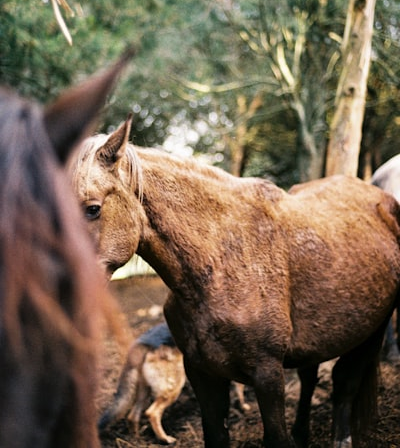
It is important to note that insulin dysregulation doesn’t belong exclusively to visibly obese horses. Yes, obesity and regional fat deposits – such as a cresty neck – can be clues. But outward appearance alone cannot reliably tell us how a horse is regulating insulin. A horse can look relatively normal and still have an abnormal insulin response.
That’s one reason discussing appropriate metabolic testing with your veterinarian can be so valuable, particularly if the horse has experienced unexplained hoof soreness, repeated laminitis, abnormal fat deposits, difficulty maintaining comfortable feet, or a history of becoming sore when pasture conditions change.
Depending on the horse and situation, your veterinarian may recommend bloodwork to evaluate the horse’s insulin. While recent research suggests non-fasted insulin is important to determine metabolic status, an isolated number isn’t always the entire story. Recent feed intake, stress, illness, laboratory methods, and testing protocols can affect interpretation. It’s important to look at each individual case and discuss clinical signs and bloodwork results with your veterinarian.
It is important to note that some laboratory ranges are quite a bit wider than what new research deems as acceptable! Just because your horse may fall “in range,” doesn’t mean that they are not dealing with metabolic concerns.
The Seasonal ACTH Rise and PPID
Grass isn’t the only reason fall can become complicated. Beginning in the later summer and extending into autumn, horses normally experience a seasonal rise in ACTH, or adrenocorticotropic hormone. This is part of normal equine physiology and is associated with the body’s preparation for seasonal changes. Healthy horses experience this seasonal rise too. The problem occurs when we add PPID, or pituitary pars intermedia dysfunction, into the equation.
PPID is a progressive endocrine disorder involving abnormal function of the pituitary gland. Many owners still know it by the older name “equine Cushing’s disease,” although PPID is the more accurate term.
Within the brain, dopamine normally helps regulate cells in the pars intermedia of the pituitary. As PPID develops, loss of normal dopaminergic inhibition allows those cells to become overactive and produce excessive amounts of hormones derived from a precursor molecule called POMC, including ACTH.
In simple terms, one of the body’s hormonal control systems stops being regulated normally. Because ACTH naturally rises seasonally, autumn can expose abnormalities that were much less obvious earlier in the year. A horse might have an ACTH concentration that doesn’t appear particularly remarkable at another point in the year but show an exaggerated response during the seasonal rise. That’s one reason timing and seasonally adjusted interpretation matter when testing for PPID.
PPID Doesn’t Always Look Like a Shaggy Old Horse
One of the most persistent misconceptions about PPID is that you can identify it by looking for a long, curly hair coat. That classic coat is certainly associated with PPID, but it tends to occur with more advanced disease. Waiting for a horse to stop shedding normally can mean waiting years to investigate subtler signs.
Earlier signs can be much easier to dismiss. A horse might lose topline muscle. They may become a harder keeper. They may drink or urinate more. Infections can become more frequent or harder to resolve. Skin issues may become a common problem. Wounds may heal slowly. Hoof quality may change. Persistent thrush or other seemingly minor hoof problems may become increasingly difficult to manage.
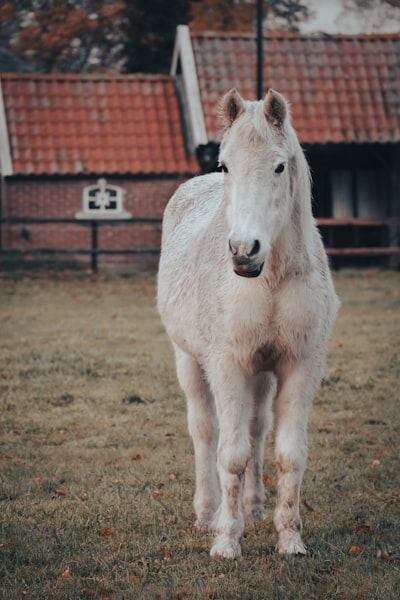
Sometimes, one of the first dramatic clues is laminitis in the fall. A horse that has never experienced an obvious laminitic episode may suddenly become footsore during the fall seasonal rise. Without bloodwork, it’s easy to blame the harder ground, a recent trim, or autumn pasture. Those possibilities shouldn’t necessarily be ignored, but neither should PPID.
ACTH, Insulin, and Laminitis Can Intersect
PPID and insulin dysregulation aren’t necessarily two completely separate pathways. Some horses with PPID also have insulin resistance, and those horses can carry a particularly strong laminitis risk. That means finding an abnormal ACTH concentration doesn’t necessarily mean we do not need to look at insulin. Depending on the individual horse, evaluating insulin status may also reveal the horse has IR as well.
Likewise, finding elevated insulin shouldn’t necessarily make us ignore PPID, particularly in an older horse or one showing other suggestive signs.
Fall hoof soreness can require a little detective work.
Why Bloodwork Can Be So Valuable
If your horse suddenly becomes sore in the fall, has recurring laminitis, develops stronger digital pulses, changes the way they move, or simply doesn’t seem quite right, call your veterinarian.
Your veterinarian may recommend testing insulin, ACTH, or other testing depending on the horse’s history and circumstances. ACTH results also need to be interpreted according to the time of year because normal reference values change seasonally.
Testing can be useful before a crisis, too. Having baseline information on a horse with risk factors can make future changes easier to recognize. A horse doesn’t necessarily need to be standing in a classic laminitic posture before metabolic investigation becomes worthwhile.
Also, if your horse has already been diagnosed with PPID or insulin dysregulation, periodic monitoring can help your veterinarian determine whether management or medication needs to change.
PPID is progressive. A horse’s treatment needs can change over time, and a normal-looking value at one point in the year doesn’t necessarily erase abnormal findings from another season.
Comfort Matters: Boots and Pads During Fall Laminitis
While the underlying metabolic trigger needs to be identified and addressed with your veterinarian, we also have to remember that the horse standing in front of us may have painful feet right now. This is where hoof boots and appropriate pads can be incredibly useful.
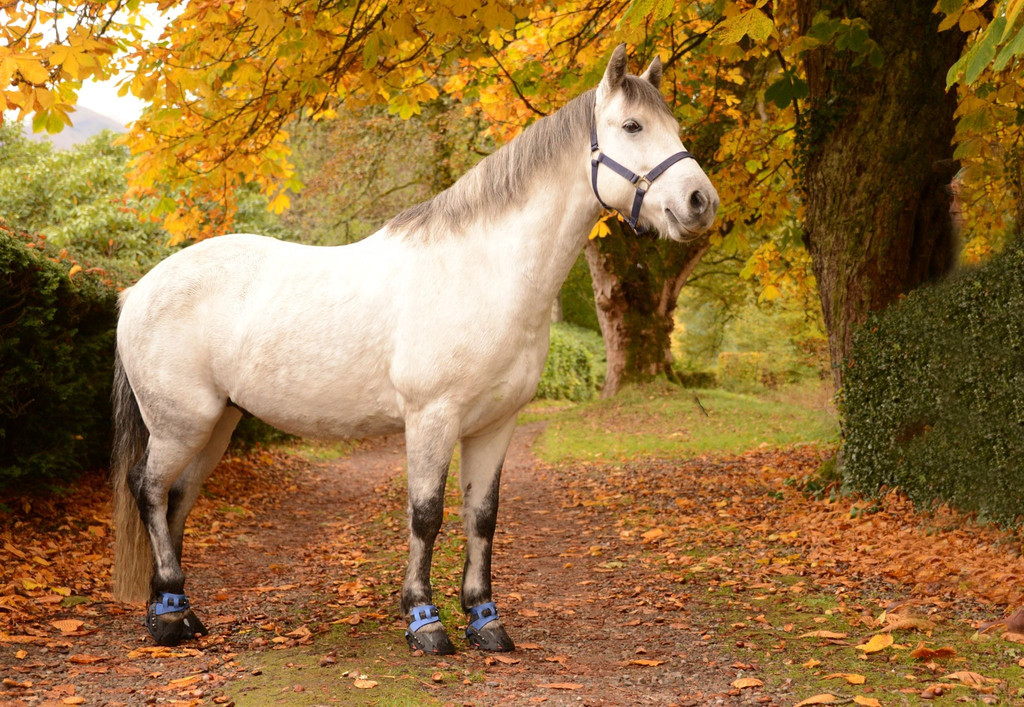
A well-fitted hoof boot paired with a supportive, conformable pad can help reduce discomfort by cushioning the foot and distributing load across structures that the horse is comfortable using. In a painful laminitic horse, the goal isn’t to force the horse into a particular loading pattern. It’s to provide enough support and protection that the horse can stand and move as comfortably as possible while the underlying problem is being addressed.
Boots and pads don’t treat the endocrine disorder causing laminitis. What they can do is help protect and support a painful foot while the cause is being investigated and managed.
Fall Laminitis Isn’t Really “Out of Nowhere”
If your horse develops unexplained soreness this season, don’t simply assume it’s the harder ground, the weather, the trim, or “just getting older.” Talk with your veterinarian about whether metabolic bloodwork is appropriate. Look at insulin. Consider ACTH and PPID. Evaluate the horse’s pasture and total diet. And work with your veterinarian and hoofcare professional to keep the feet as comfortable and supported as possible while you determine what’s happening.