Author : Alicia Harlov
Alicia Harlov is one of Flex Boots’ Equine Educators and Barefoot Trimming Specialists, where she creates video content as well as written articles pertinent to barefoot hoof health and soundness. Outside of Flex Boots, Alicia is a PHCP-certified hoofcare provider and program mentor who lives on the North Shore of Massachusetts, where she runs a hoof rehabilitation facility with a special focus on navicular horses. She pursues continuing education for hoofcare, equine nutrition and biomechanics at every opportunity, from sources around the world.
“I’m doing everything right… so why does my horse keep foundering?”
These are some of the hardest conversations I have with horse owners. Even with our best intentions as hoofcare providers, investigating the cause of laminitis can lead some owners to take our questions as a criticism of their horse care or management.
They’re soaking hay. Their horse lives in a dry lot. They’re feeding a “safe” balancer. They aren’t giving grain. They hardly let their horse see grass.
Yet somehow… another day of footsore movement. Another bounding digital pulse. Another setback.
If this sounds familiar, you should know: You are not crazy, and you are not necessarily doing anything wrong – it might just take a little sleuthing to find the root cause of the issue.
- Spring grass
- A stressful move
- A handful of treats
- The seasonal rise of ACTH in the fall
- Less movement
- A little inflammation
- A dietary change
Any of these can be fine for a healthy horse, but for a metabolic horse, even one of these can push them into a laminitic issue. Let’s dive into some of these triggers to see where they may be hiding.
1. Grass Isn’t the Only Sugar Problem
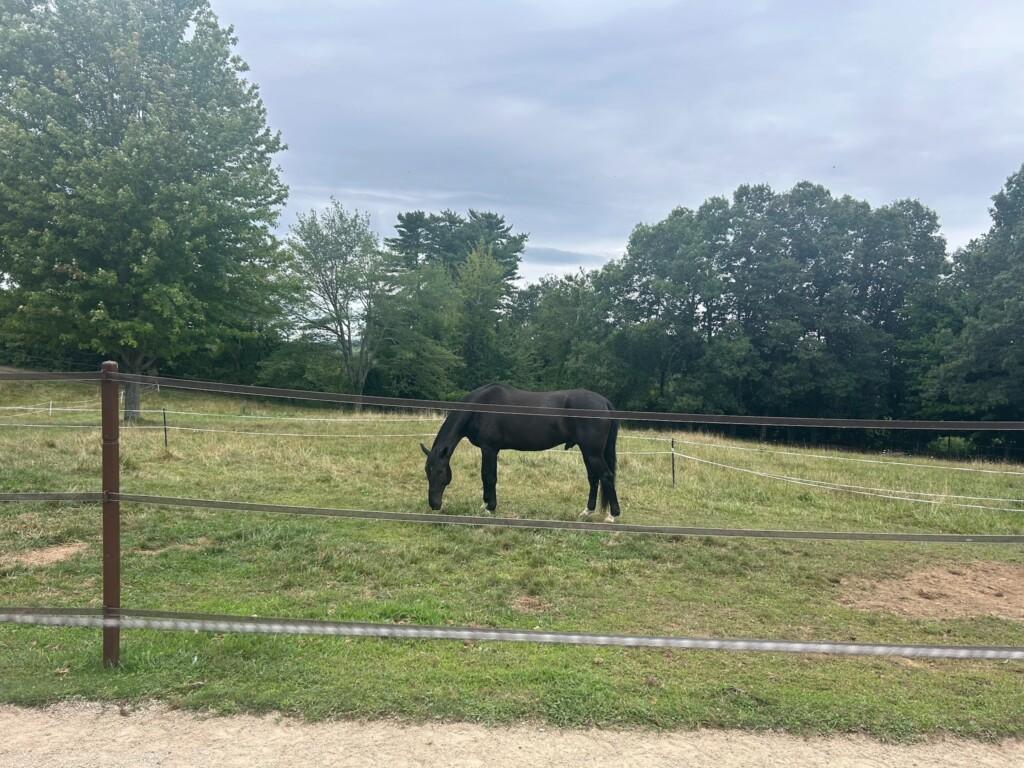
Most owners know fresh spring grass can be risky. But even after spring, grass isn’t necessarily “safe” – sugar levels don’t stay consistent. They are constantly changing based on environmental conditions, which means a pasture that seemed safe yesterday – where your horse was grazing and feeling completely fine – may not be safe for them today. Sunny days followed by cold nights, frost, drought, periods of rapid growth, and the changing weather of fall can all cause grasses to accumulate higher levels of carbohydrates (sugars). Even overgrazed paddocks can become risky, as short, stressed grass often stores more sugar than taller, actively growing grass. One question I like to ask owners is “how much grass would be in their paddock if they weren’t in there?” If the answer is a “a lot”- chances are the horse is eating all of it! Short, stressed grass is often far more dangerous than a lush pasture because the plant stores sugars instead of using them for growth. Even weeds can contain significant amounts of sugars or create inflammatory responses depending on the species.
Many owners carefully avoid “too much grass” while unknowingly turning horses out during the highest-risk conditions.
Understanding how weather and seasonal conditions influence sugar levels can help you make more informed decisions about turnout, rather than assuming grass is equally safe every day.
2. “Just a Little Alfalfa” Can Matter
This surprises people. I regularly hear:
“It’s only one flake, they need more topline.”
Or…
“It’s only a handful of pellets.”
Or…
“It’s just one ingredient of the ration balancer.”
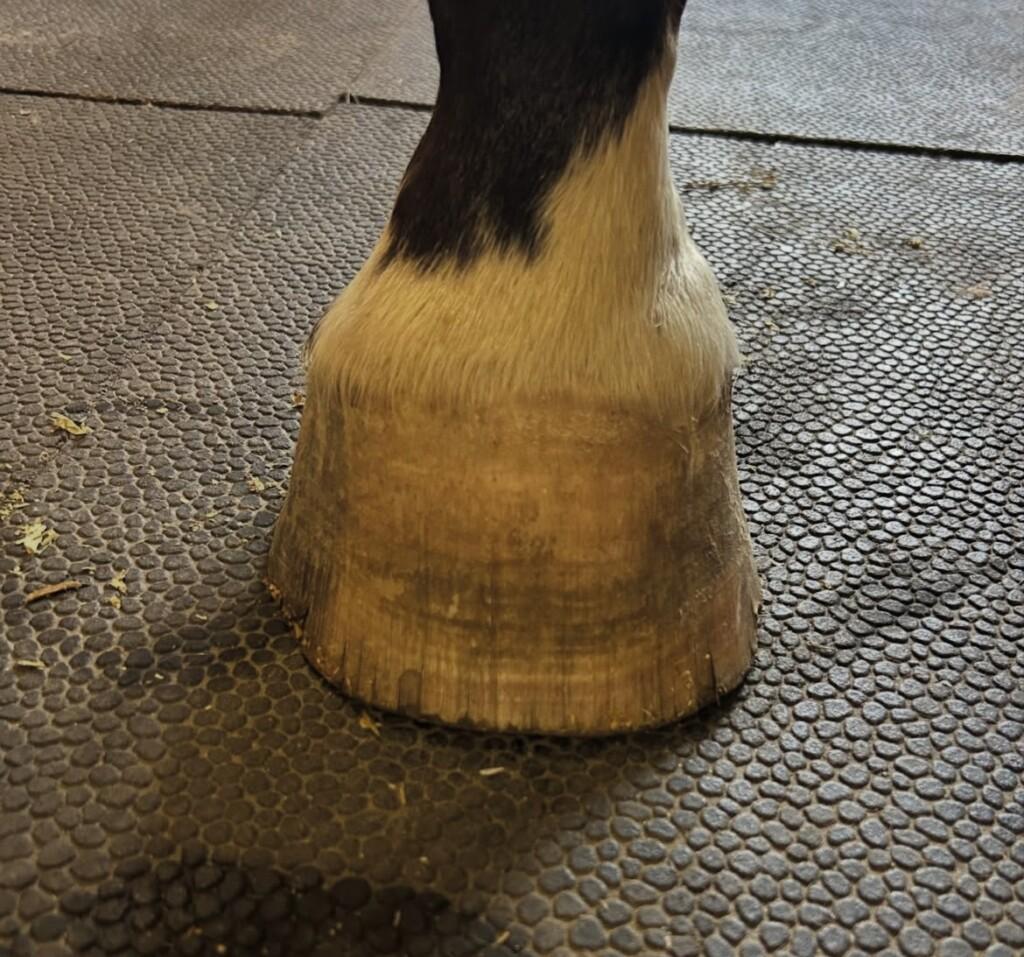
For some metabolically sensitive horses, even small amounts of alfalfa seem to increase footsoreness.
It’s important to note that not every horse reacts this way – many horses tolerate alfalfa perfectly well. But if your horse repeatedly becomes sore despite careful management, it’s worth asking whether hidden legumes are sneaking into the diet. Sometimes the ingredient isn’t even obvious until you read your feed labels.
3. The “Safe” Feed May Not Be Safe for Your Horse
Marketing in the horse world can be very misleading, to say the least.
Words like:
- Low sugar
- Metabolic-safe
- Laminitis-safe
- Hoof formula
- Ration balancer
don’t necessarily mean a product is appropriate for every horse.
Some products contain:
- Alfalfa or legumes
- Higher protein than a sensitive horse can tolerate
- Higher fat levels than a metabolic horse should have
- Ingredients that simply don’t agree with that individual horse
Every horse has a different threshold. Just like with individual diet sensitivities in people, a feed that works great for one horse may trigger another. Sometimes it can take some time to figure out which ingredient a horse may be struggling with, but familiarizing yourself with common problem ingredients (such as the alfalfa mentioned above) is a great start.
4. Protein and Fat Can Be Hidden Triggers
Sugar and starch get most of the attention when it comes to laminitis issues, but they aren’t the only nutrients worth watching. Some very sensitive horses appear to become uncomfortable when diets become excessively high in:
- Protein (sometimes even above about 10%)
- Fat (particularly above about 10%)
This can include products many owners think are automatically safe, such as oils or fat supplements, coconut meal, complete feeds that advertise as low sugar and starch or “metabolic safe,” and more.
This doesn’t mean protein or fat are “bad,” they are essential nutrients after all! It simply means that more isn’t always better, particularly when the horse is already “metabolically sensitive.” While controlling sugar and starch is the foundation of every metabolic horse’s diet, some owners and professionals notice that certain horses seem more comfortable when dietary protein or fat isn’t excessive. If your horse continues to have unexplained footsoreness despite excellent sugar and starch management, it may be worth working with your veterinarian or equine nutritionist to evaluate the entire diet, including protein sources, added fats, and ingredients like alfalfa, rather than focusing only on sugar.
5. Omega Fatty Acid Imbalance
Black oil sunflower seeds are incredibly popular to feed for many horse owners. They’re inexpensive, horses love them… but they’re also very high in omega-6 fatty acids. Many horses already consume far more omega-6 than omega-3 in modern diets, especially if these horses aren’t grazing on fresh grass, as metabolic horses shouldn’t. Unfortunately, an imbalance of omega fatty acids can lead to an improper inflammatory response. While inflammation is a normal and necessary part of healing, the body also needs mechanisms to turn that inflammation off once the job is done. A diet disproportionately high in omega-6 fatty acids and low in omega-3s may shift the body toward a more pro-inflammatory state, making it harder to resolve inflammation efficiently. Although this isn’t considered a direct cause of laminitis, maintaining a healthier balance of omega fatty acids may help support overall metabolic and immune health, particularly in horses prone to chronic inflammation.
For some horses dealing with chronic inflammation, improving that balance by reducing omega-6-rich feeds and increasing omega-3 sources may be worth discussing with your veterinarian or equine nutritionist.
6. Treats Count Too
Owners are often meticulous about hay… …then feed treats like apples, carrots, peppermints, or commercial horse treats. “It’s just a snack!” or “it’s just once in a while!” can become an issue really quickly for these horses.
Individually, these seem insignificant, but collectively, they may not be. For metabolic horses, every source of sugar deserves consideration.
7. Movement Is Medicine
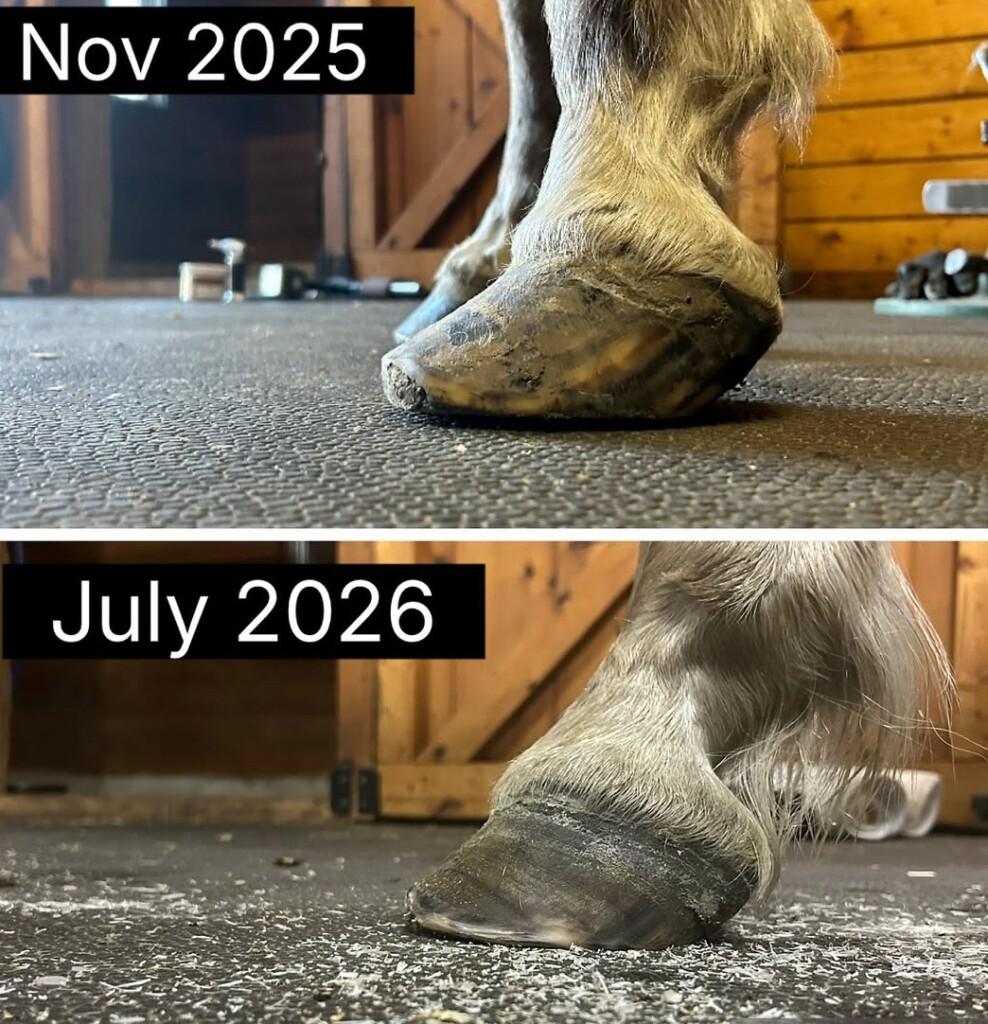
Healthy hooves depend on movement. Every step a horse takes helps stimulate blood flow to the feet, supports metabolic health, improves insulin sensitivity, and encourages the hoof to develop and maintain strong, resilient structures. During an acute laminitis episode, many first restrict movement to prevent damage. However, once the horse is comfortable enough to move, prolonged confinement can become part of the problem. Safe, voluntary movement can be one of the most powerful tools for supporting hoof rehabilitation and reducing the risk of future laminitic episodes. Encouraging healthy movement as healing progresses can help a healthier foot to grow in as well.
8. Stress
Stress isn’t just emotional, it can also be physical, and both forms can have a significant impact on a horse’s metabolic health. Events such as moving to a new barn, long trailer rides, changes in herd dynamics, hospitalization, illness, pain, or even major changes to a horse’s daily routine can all trigger a stress response. While some horses seem to adapt with little difficulty, others are far more sensitive and may become metabolically unstable after what appears to be a relatively minor stressor. This is because stress hormones affect the entire body, influencing everything from insulin regulation to immune function. For horses already predisposed to laminitis, minimizing unnecessary stress and supporting them through unavoidable changes can be an important part of reducing their overall risk.
9. Seasonal Hormone Changes Matter
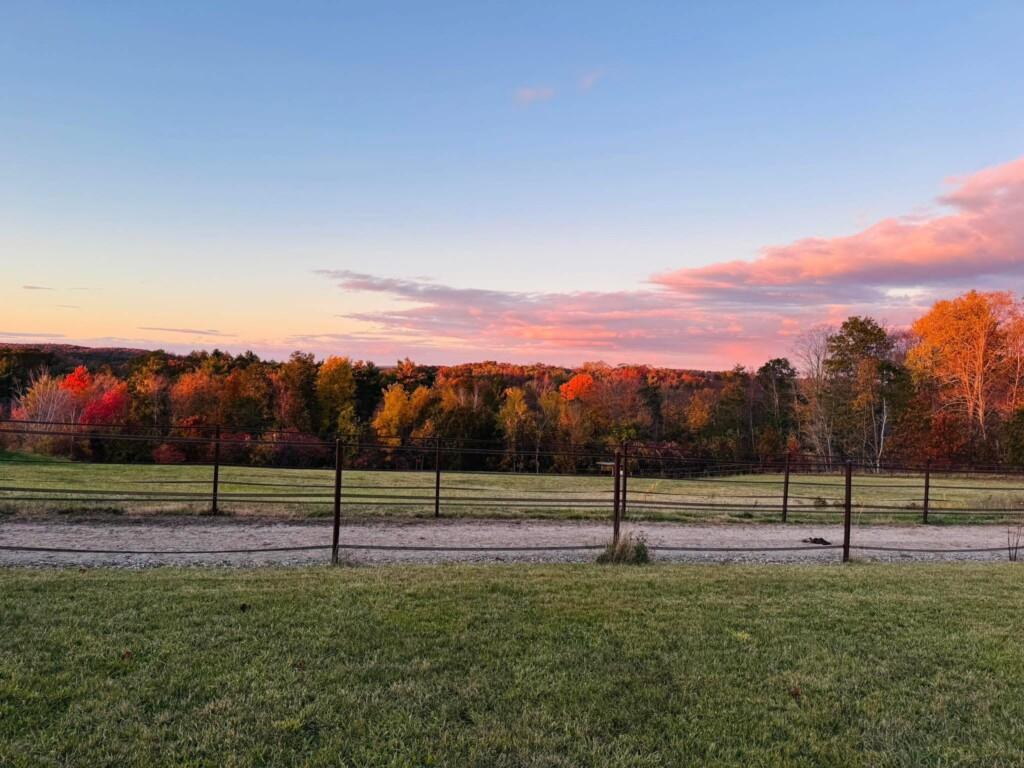
Many owners are caught off guard every fall, where their management hasn’t changed, but suddenly their horse becomes sore.
One reason is the normal seasonal rise in ACTH during late summer and fall.
For horses with PPID, this natural rise can become exaggerated and significantly increase laminitis risk if the disease isn’t recognized or adequately managed.
If nothing else has truly changed, and your horse seems less comfortable, ACTH may be the culprit.
10. Inflammation Elsewhere in the Body
Not every laminitis case begins with diet or hormones. Other systemic issues can lead to inflammation.
I’ve seen horses become footsore during or after:
- Lyme disease
- Systemic illness
- Fever
- Infection
- Chronic inflammatory conditions
Sometimes the feet are simply revealing that something else is happening inside the horse. As Pete Ramey says, “the feet are like the canary in the coal mine,” alerting to issues in the body.
11. Hoof Care Changes Can Be a Trigger
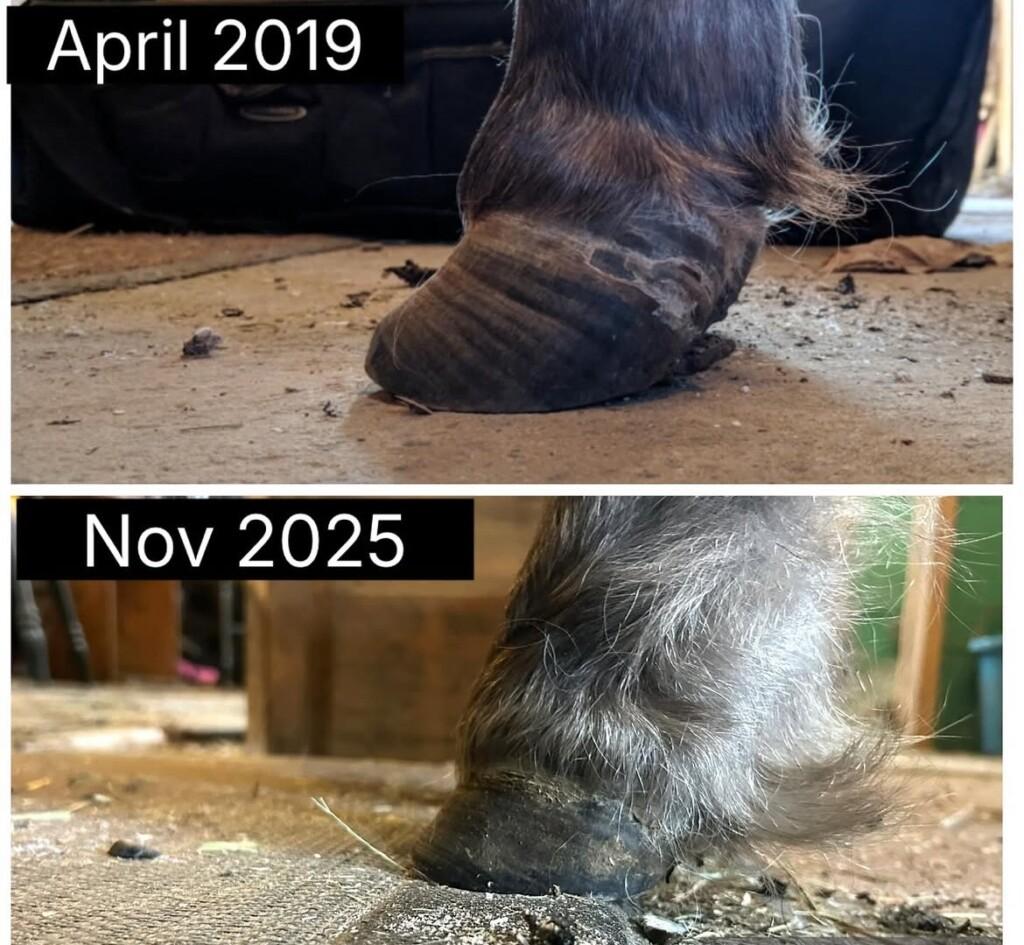
Even something as simple as changing hoofcare providers can temporarily create problems for a horse that is prone to laminitis. An aggressive trim, removing too much sole, or suddenly changing the hoof’s mechanics too quickly – such as suddenly lowering heel too fast – can all place additional stress on an already compromised foot. While these changes are often made with the best intentions, a laminitic horse may not tolerate sudden changes in hoof balance or support. In many cases, a conservative, consistent approach that allows the hoof to gradually adapt is more beneficial than trying to achieve dramatic corrections in a single trim.
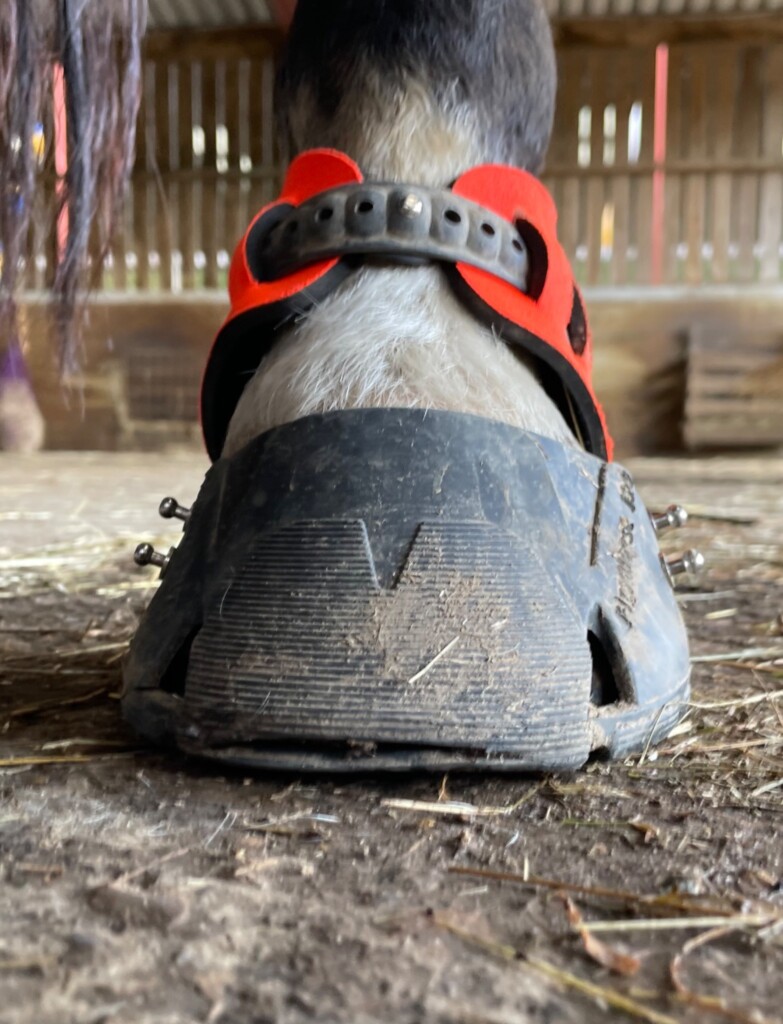
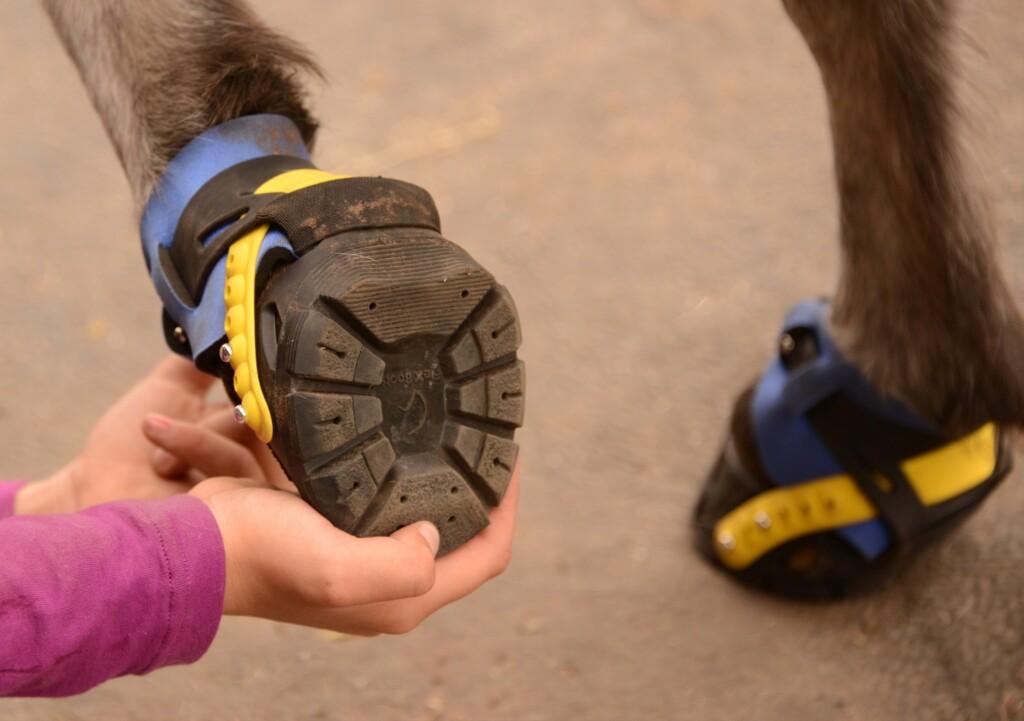
It’s incredibly important to make sure that if your horse is footsore, especially after a big trim, that you support them well with boots and pads for hoof protection, to ensure that the internal inflammation in their hooves can calm down. Forcing a sore horse to move uncomfortably can lead back to that “stress” category, and make it harder to rehabilitate their feet.
The Goal Isn’t Perfection
If reading this feels overwhelming, take a deep breath. The goal isn’t to identify every possible issue in every aspect of your horse’s life today – although that would be ideal if it were possible! Instead, this information can instead help us to think like a detective.
If your horse keeps getting laminitis despite “doing everything right,” ask:
- What changed recently?
- What ingredients are in my horse’s feeds?
- Has the season changed?
- Has my horse’s activity changed?
- Is there a medical condition I haven’t investigated?
- Could several small factors be stacking together?
Sometimes solving the puzzle isn’t about finding one huge mistake, but identifying a few small things that could be tipping your horse over the edge.
Final Thoughts
Successful laminitis prevention isn’t about finding a miracle supplement or one perfect management system, it’s about understanding your individual horse.
Every horse has a different threshold. Every horse responds differently to their diet, environment, and management.
The more pieces of the puzzle you understand – from nutrition and movement to hormones, stress, hoof care, and overall health – the better equipped you’ll be to keep your horse comfortable for the long term.
And remember: if your horse keeps getting laminitis despite your best efforts, don’t assume you’ve failed. Sometimes the answer isn’t doing more, it’s discovering what you may have been unknowingly overlooking.