Author : Alicia Harlov
Alicia Harlov is one of Flex Boots’ Equine Educators and Barefoot Trimming Specialists, where she creates video content as well as written articles pertinent to barefoot hoof health and soundness. Outside of Flex Boots, Alicia is a PHCP-certified hoofcare provider and program mentor who lives on the North Shore of Massachusetts, where she runs a hoof rehabilitation facility with a special focus on navicular horses. She pursues continuing education for hoofcare, equine nutrition and biomechanics at every opportunity, from sources around the world.
When we think about hoofcare, most of our conversations revolve around how a hoof is trimmed. We discuss breakover, heel height, bars, sole, frog health, and hoof angles. While these are all important, there is another factor that often has just as much influence on the health of the foot: trim schedule. A beautifully balanced trim can quickly lose its effectiveness if the hoof is allowed to distort before the next trim appointment. In many cases, the difference between maintaining a healthy hoof and constantly trying to fix one isn’t the trim itself – it’s how much the hoof changes between trims.
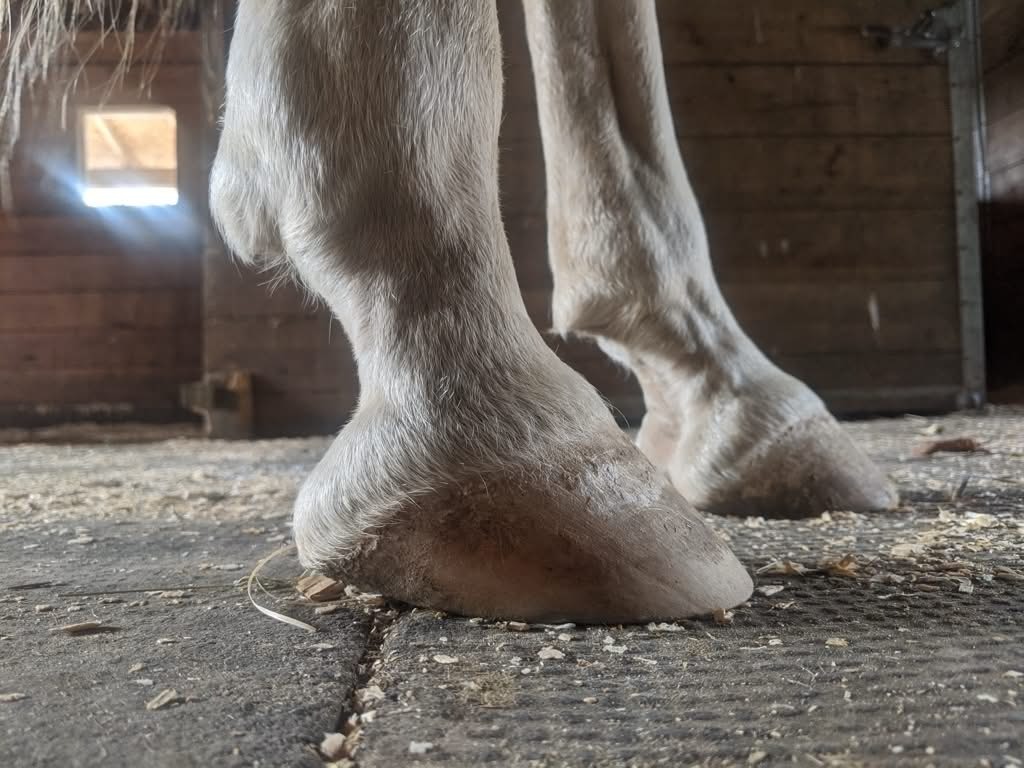
Above: Underrun heels, a long toe, and a broken back hoof pastern axis on a hind foot on a six week cycle. Below: Angles and heel health have started to improve on a shorter cycle
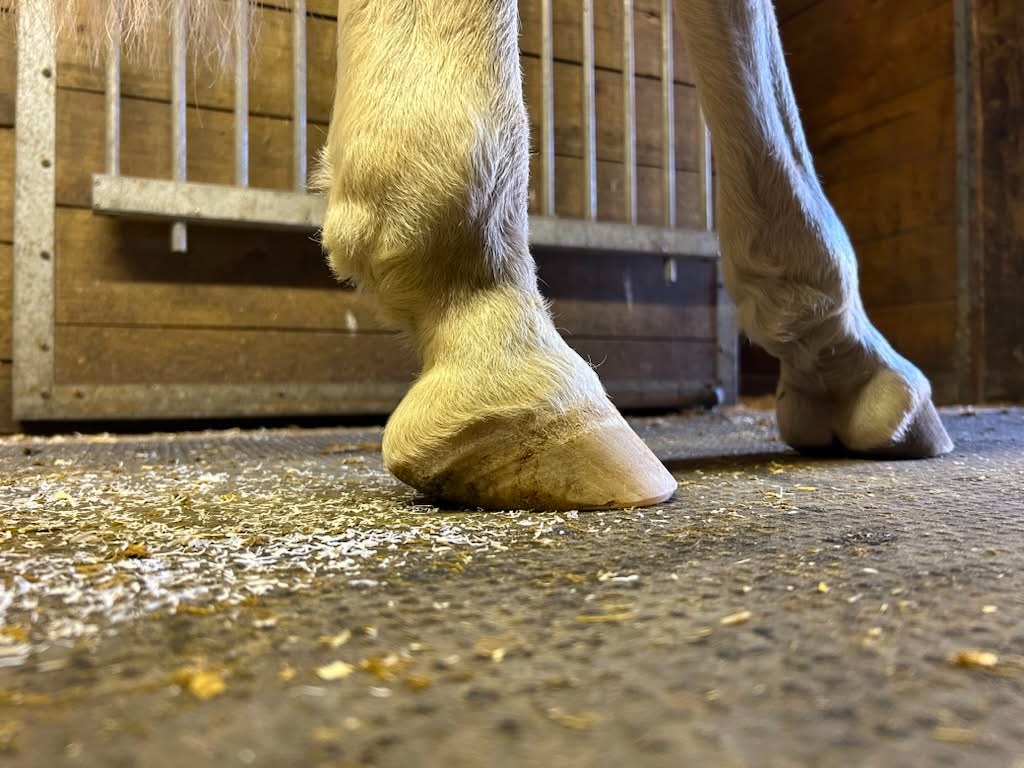
What Happens to the Hoof Between Trims?
Hooves are dynamic structures. They are constantly growing, adapting, and responding to the forces placed upon them. As soon as a hoofcare provider leaves an appointment, the hoof begins changing again. The toe gradually becomes longer, causing breakover to move farther forward, the heels can migrate or underrun, and the hoof capsule slowly responds to the stresses of daily movement. These changes happen incrementally, making them difficult to notice from one day to the next, but over several weeks they can become significant enough to alter how the horse moves and loads its limbs.
Research supports what many hoofcare professionals observe in practice. A study by Leśniak and colleagues found that measurable changes in hoof conformation occur even during a typical 4-6 week farriery interval. The researchers documented significant changes in dorsal hoof wall angle, heel angle, hoof pastern alignment, and other aspects of hoof shape. These seemingly small changes influenced the loading of structures such as the deep digital flexor tendon and the coffin joint, demonstrating that hoof growth affects far more than appearance – it affects biomechanics throughout the lower limb.
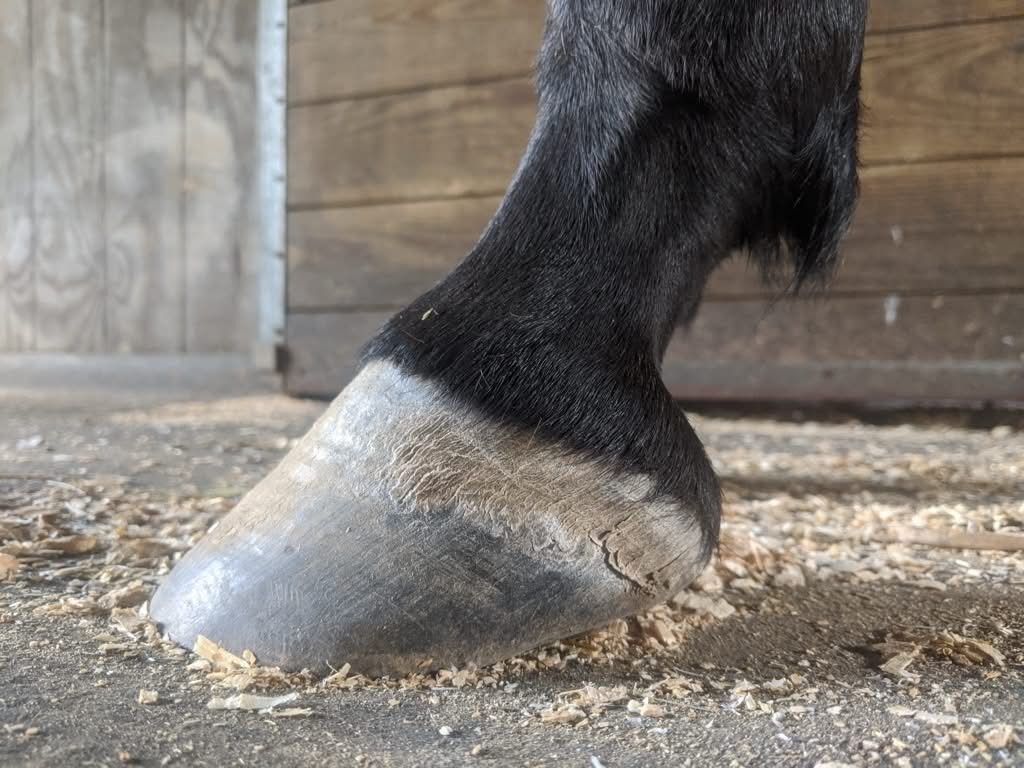
Above: a horse with underrun heels and a long toe on a 6 week cycle. Below: Improved angles and hoof health on a shorter cycle.
Hoof Distortion Happens Gradually
Hoof distortion does not suddenly appear once a foot becomes “too long.” In reality, distortion develops gradually. As the toe lengthens, leverage on the hoof capsule increases. That increased leverage encourages flares, changes breakover, and can contribute to heels migrating forward. The longer those forces act on the hoof, the more the capsule adapts to them. By the time obvious distortion is visible, the process has often been occurring for weeks, and can be harder to correct than if you trimmed the hoof before the obvious changes occurred.
Why a Shorter Trim Cycle Can Make a Difference
This is where trim cycle length becomes so important. If a hoof is maintained before excessive leverage develops, each appointment involves relatively small adjustments. The hoof stays closer to its ideal form, and the horse often remains more comfortable because the mechanics are changing very little from one visit to the next. This also prevents soft tissue from having to adjust to angle changes from a big trim. On the other hand, if the hoof is allowed to distort significantly between appointments, the farrier or trimmer is no longer simply maintaining balance – they are trying to reverse weeks of mechanical change. That often requires larger corrections, and depending on the horse, those corrections may need to be made gradually to avoid creating discomfort or even soft tissue damage. In other words, once the distortion has happened, it can take a lot longer to fix. As the saying goes: an ounce of prevention is worth a pound of cure.
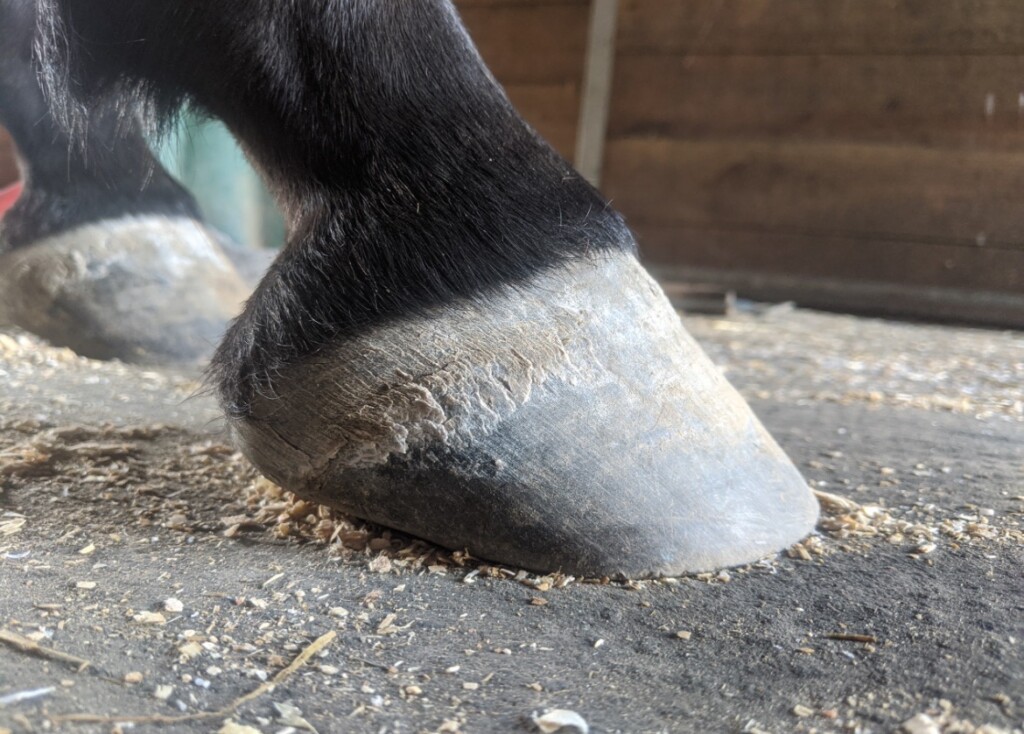
Above: a foot on a 6 week cycle. Below: the same foot after changing to a 5 week cycle. Note the healthier heel angle and better toe length.
Trim Cycles During Hoof Rehabilitation
This concept is especially important in hoof rehabilitation. Horses recovering from laminitis, navicular issues, thin soles, white line disease, underrun heels, club feet, or other hoof pathologies frequently benefit from shorter maintenance intervals. Contrary to what many people assume, these shorter visits are not necessarily about removing hoof. In fact, they often involve removing very little. The goal is to make small adjustments before distortion develops rather than allowing the hoof to change dramatically and then trying to get back to the “correct” balance all at once. In many rehabilitation cases, maintaining the improvements you’ve already achieved is far more effective than repeatedly correcting the same distortion every six weeks.
Dr. Jenny Hagen’s research has further highlighted the relationship between hoof conformation and biomechanics. Her work has demonstrated how changes in hoof angle influence breakover and alter the forces placed on the tendons and joints of the lower limb. While routine hoof growth may only change hoof angles modestly, even relatively small changes can affect how efficiently the limb functions. Over time, repeated cycles of excessive toe length and delayed breakover may contribute to unnecessary strain on soft tissues.
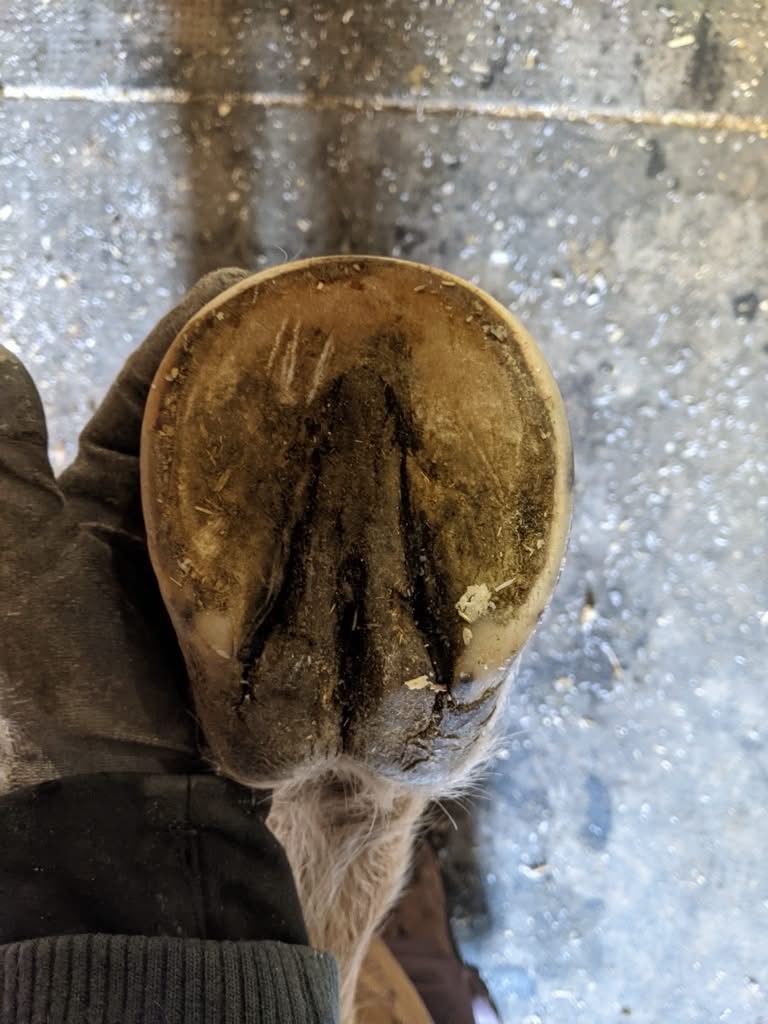
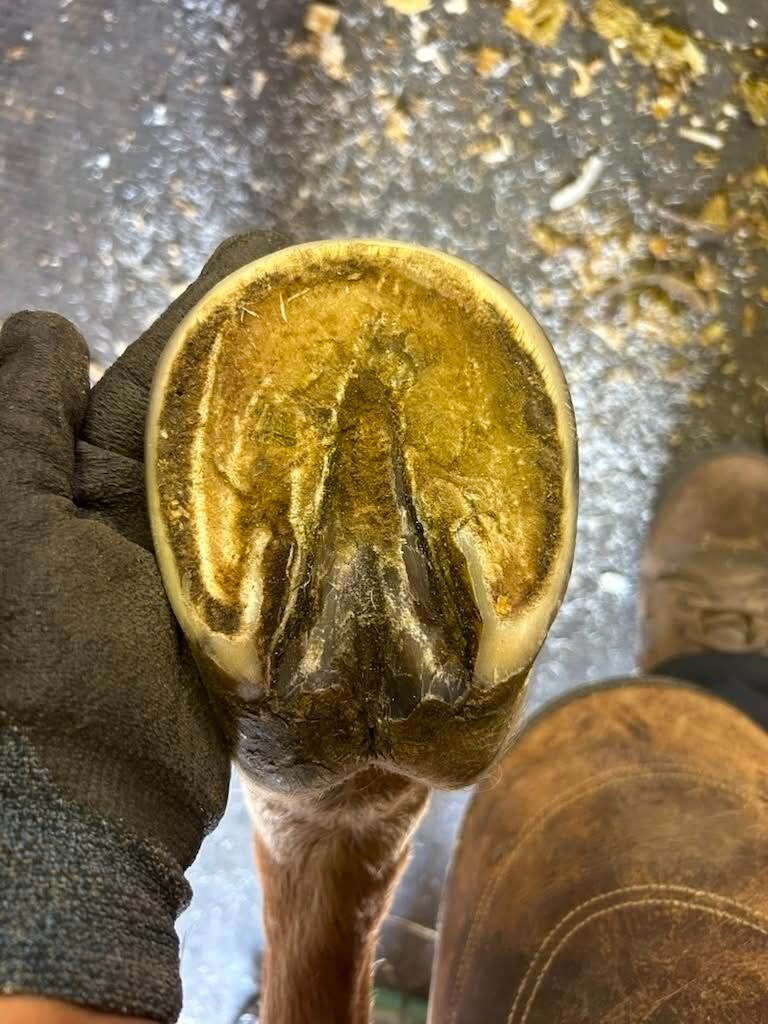
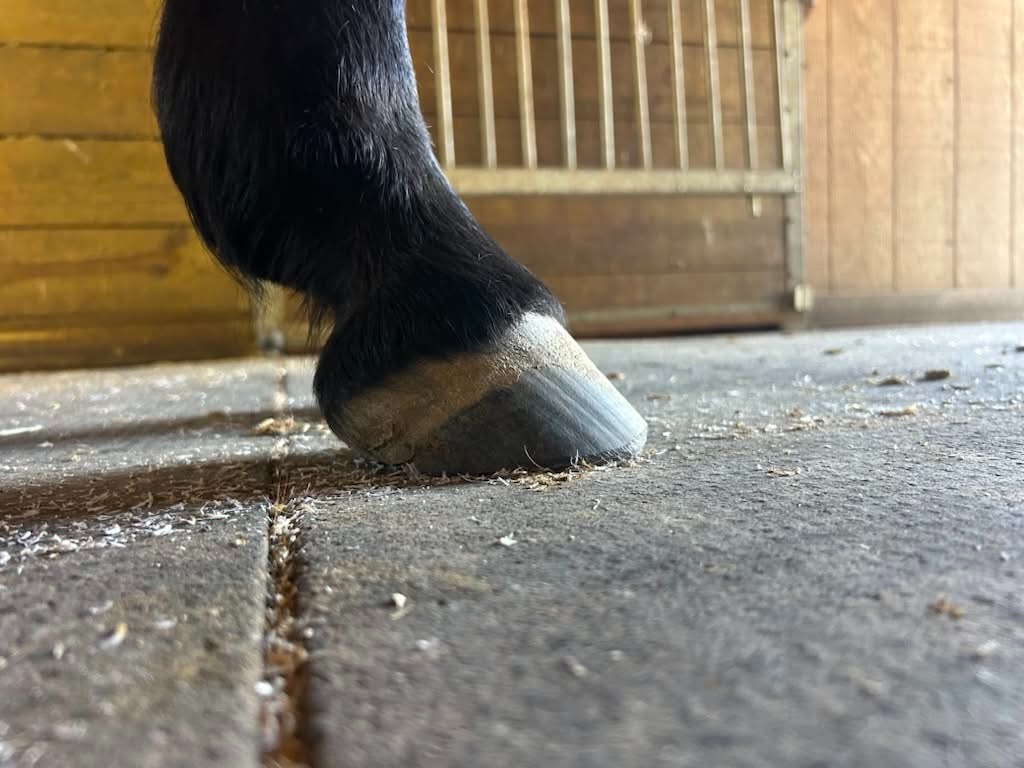
On the left: A hoof on a 6 week cycle. On the right: the same hoof on a shorter cycle, with a healthier frog, heel, and wall.
So, How Often Should a Horse Be Trimmed?
None of this means that every horse should automatically be trimmed every two or three weeks. Hoof growth rates vary considerably depending on genetics, nutrition, season, workload, environment, and the individual horse’s conformation. Some horses maintain excellent balance on a five-week schedule, while others begin losing balance much sooner. The ideal trim interval should be determined by how quickly the hoof begins to change, not by following a calendar.
Your Hoof Boots May Give You Another Clue
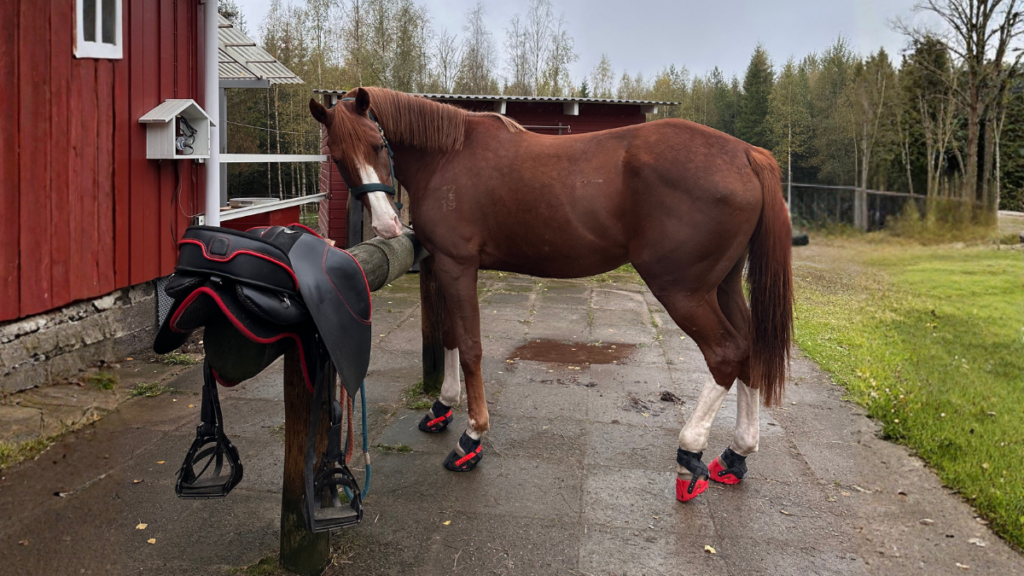
This principle also extends to hoof boots. During rehabilitation, hoof boots can provide valuable protection and comfort while allowing a horse to continue moving and building healthier structures within the foot. Soft, flexible boots like Flex Boots are often especially comfortable because they are soft enough to prevent rubs, and typically require little to no break-in period.
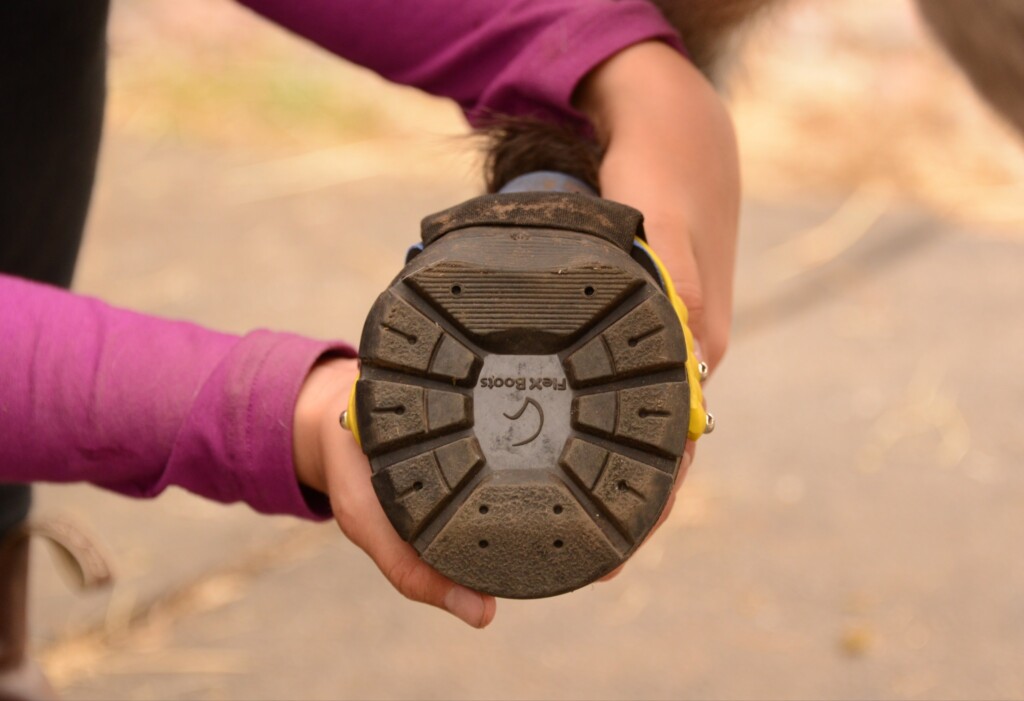
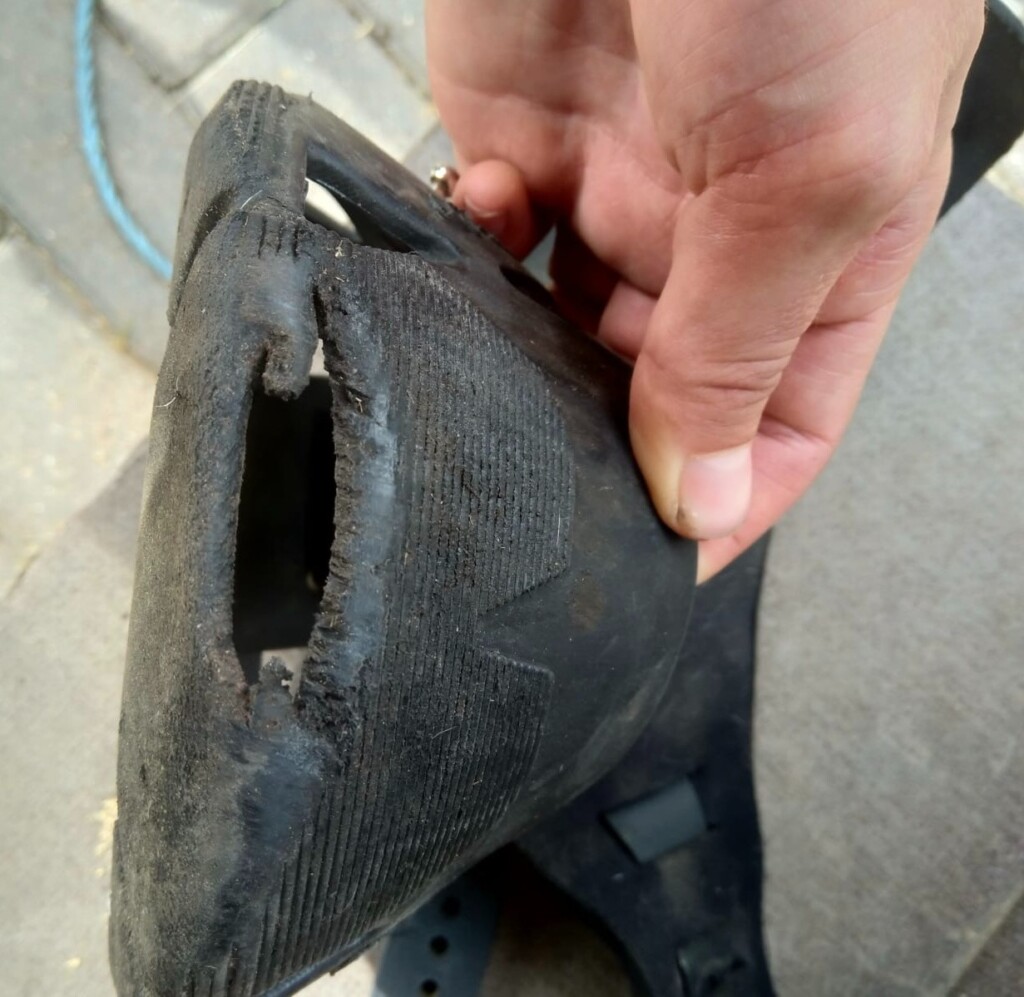
However, if a hoof is allowed to become excessively long or distorted between trims, the hoof capsule may begin placing leverage on the boot. A stretched toe or developing flare can create increased friction against the inside of the boot, sometimes leading to premature wear of the boot shell. In many cases, unusual boot wear isn’t simply a reflection of the boot itself – it can be an early indicator that the hoof has begun changing enough to alter how the hoof moves.
Maintain the Hoof Before You Have to Correct It
Ultimately, successful hoofcare is not about making dramatic corrections every few weeks. It is about preserving healthy movement and loading before significant distortion develops. The goal should not be to repeatedly fix the same problems after they appear, but to maintain the progress that has already been achieved. By tailoring trim intervals to the individual horse and recognizing that hoof growth changes biomechanics long before those changes become obvious, we can often keep horses more comfortable, support healthier movement, and reduce the amount of correction required over time. In hoofcare, maintaining balance is always easier than restoring it after it has been lost.