
Author : Alicia Harlov
Alicia Harlov is one of Flex Boots’ Equine Educators and Barefoot Trimming Specialists, where she creates video content as well as written articles pertinent to barefoot hoof health and soundness. Outside of Flex Boots, Alicia is a PHCP-certified hoofcare provider and program mentor who lives on the North Shore of Massachusetts, where she runs a hoof rehabilitation facility with a special focus on navicular horses. She pursues continuing education for hoofcare, equine nutrition and biomechanics at every opportunity, from sources around the world.
In the world of metabolic concerns with horses, it can be easy to confuse the different endocrinopathic dysfunctions and diseases. Many have overlapping symptoms and even in some ways, similar treatments. But that does not mean they are the same, and treating them as if they are will lead to undertreatment and mismanagement in these cases.
To make sure the horses in our care are getting the proper management and treatment, it’s important to learn to differentiate between metabolic issues, namely the two main ones we often hear about in the hoofcare realm: EMS (Equine Metabolic Syndrome) and PPID (Pituitary Pars Intermedia Dysfunction).
What Is Equine Metabolic Syndrome (EMS)?
EMS is a metabolic type. Dr. Elaine Norton has done research into the heritability of Equine Metabolic Syndrome, finding specific alleles that are linked to the clinical presentation of this endocrinopathic disorder. This means that certain horses are actually predisposed to have Equine Metabolic Syndrome. This likely isn’t a surprise; we all know certain breeds of horses that are labeled as “easy keepers” and can be more prone to all the issues that come along with it, like laminitic issues.
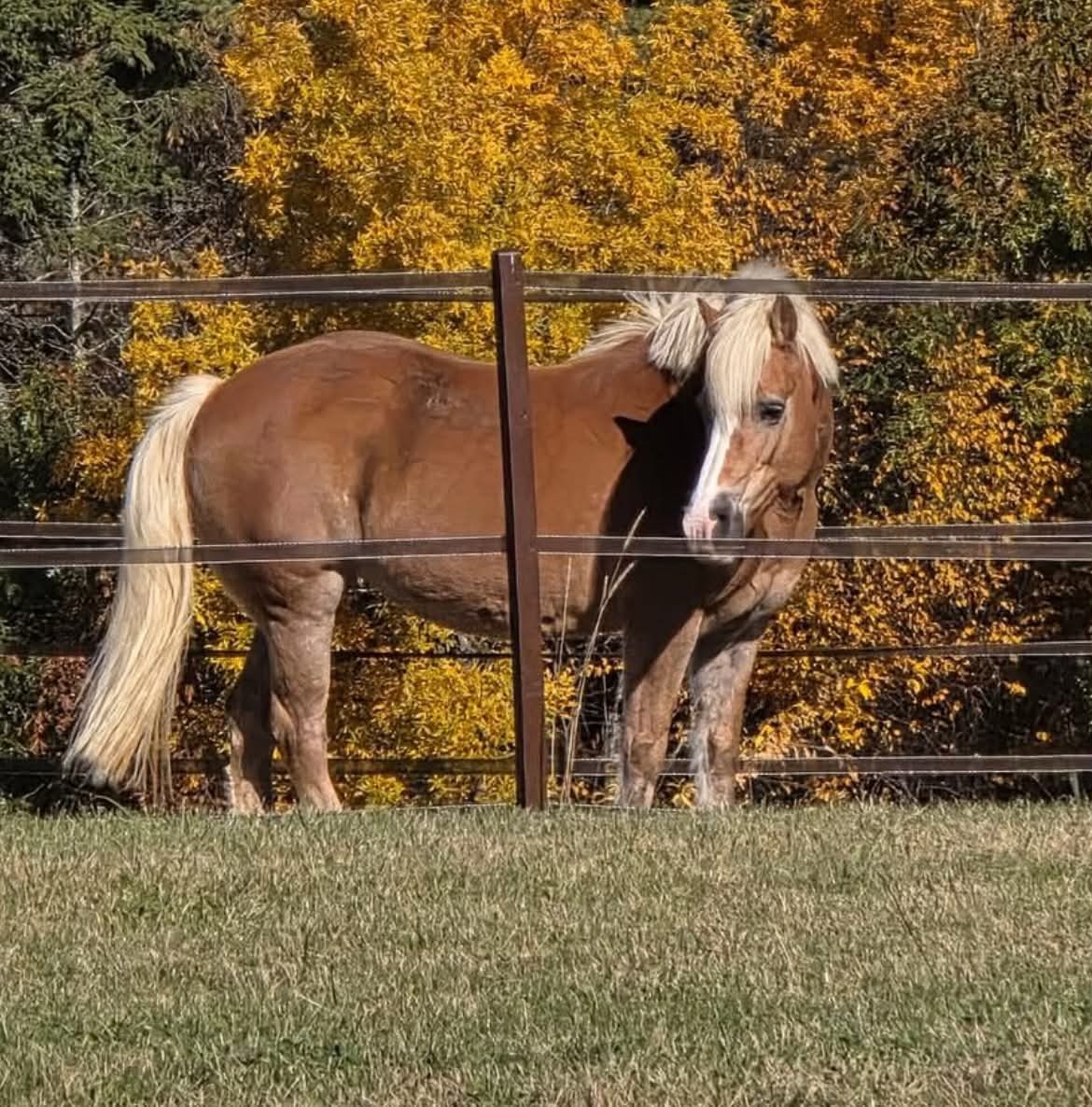
The symptoms of EMS include things like regional fat deposits, being an “easy keeper,” hoof issues such as chronic thrush, white line disease, poor hoof quality, abscessing, or laminitis, swelling of the sheath, swelling above the eyes, etc.
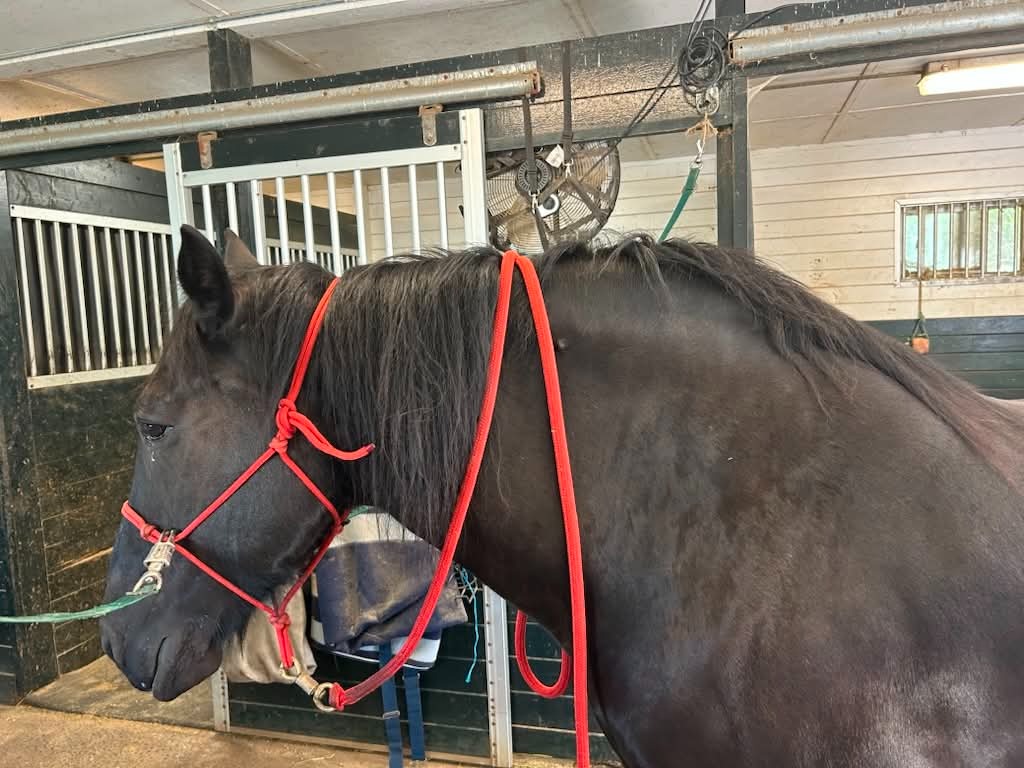
What Is Pituitary Pars Intermedia Dysfunction (PPID)?
PPID, in contrast to EMS, is a disease. It is correlated with aging in horses, and causes the pars intermedia to essentially “malfunction,” and in turn results in an overproduction of a hormone called ACTH. With this hormone being released unchecked, horses can develop systemic or bodywide issues.
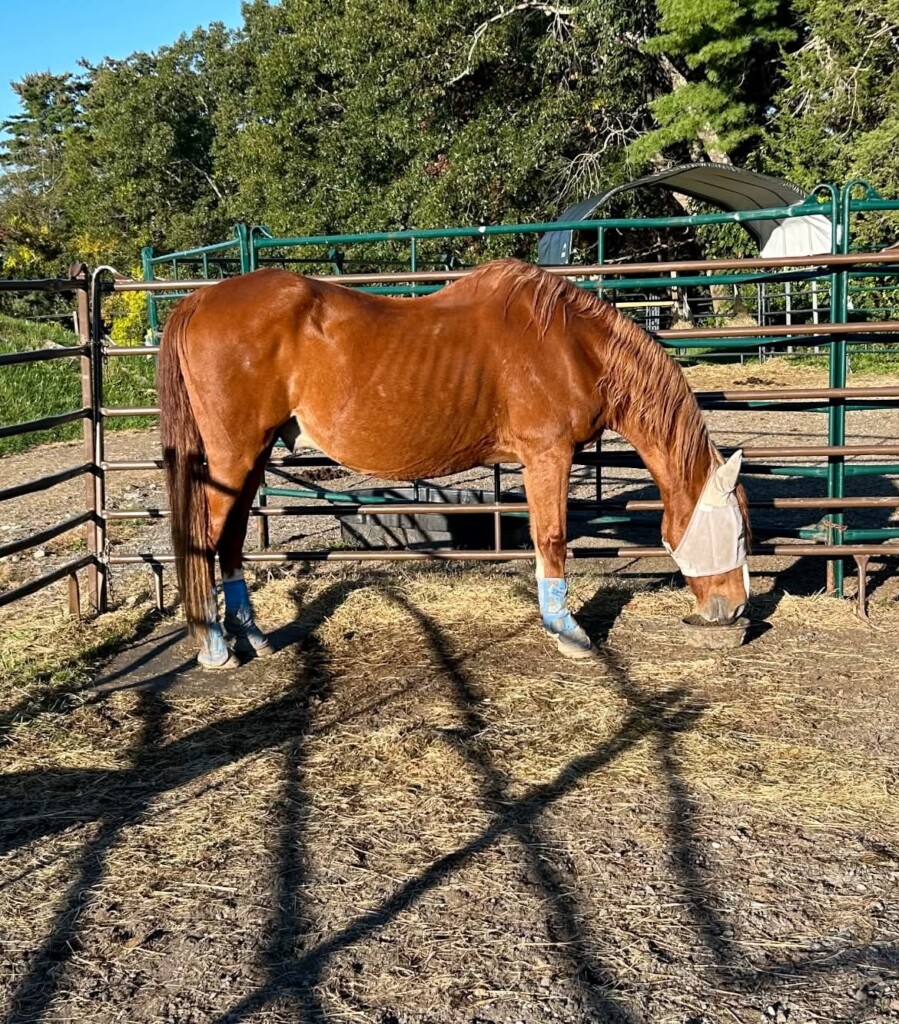
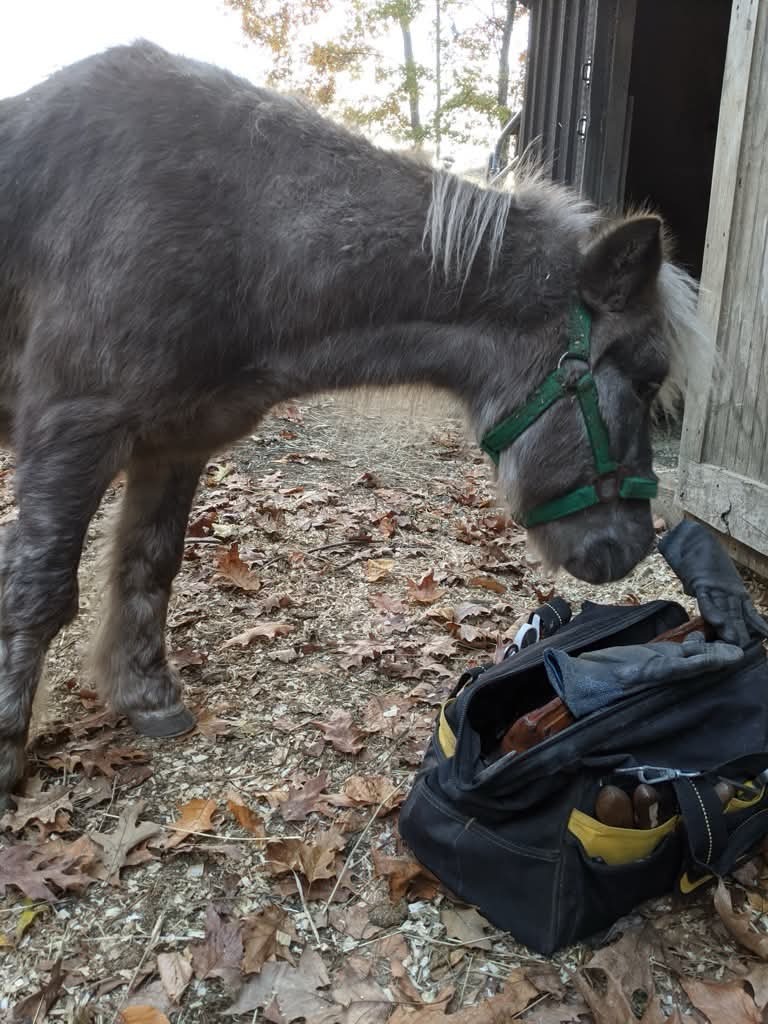
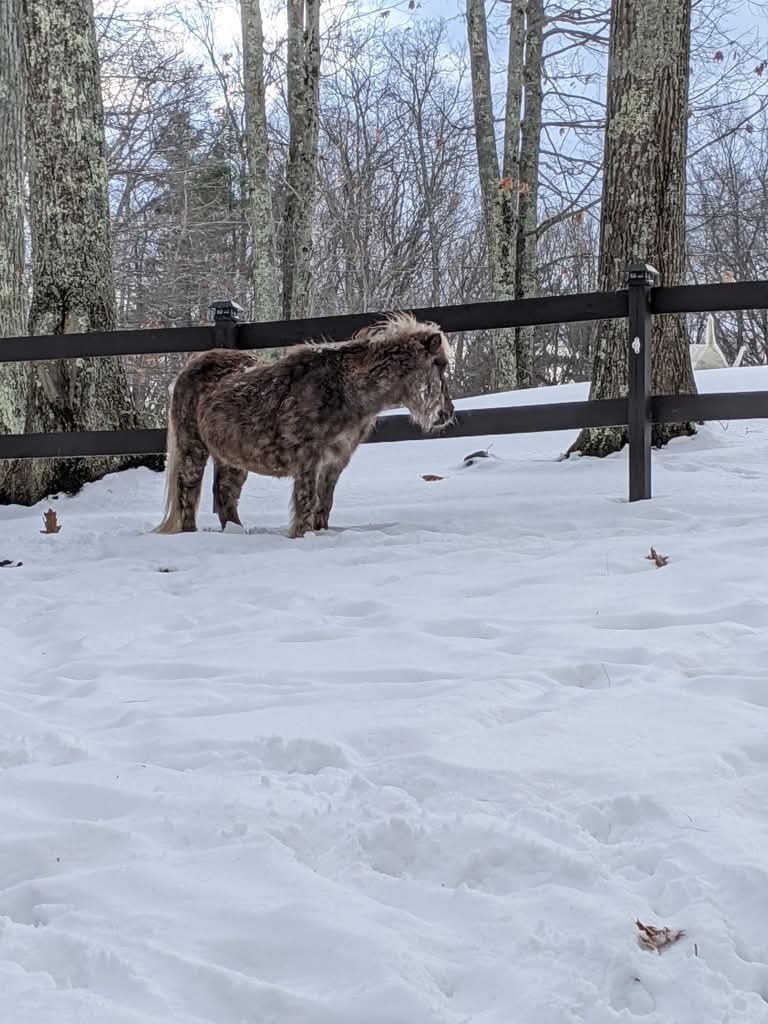
Symptoms of PPID can include some overlapping symptoms with EMS; some PPID horses can deal with hoof issues such chronic abscessing or laminitis. Some PPID horses can struggle with weight issues as well, although it is typically more common to see PPID horses with topline loss, muscle wasting, and becoming harder keepers – especially during the fall seasonal rise. Other common PPID symptoms can include excessive drinking or peeing, being “slow to heal,” dental issues, eyesight issues, and one of the later signs can be a long, “shaggy” coat.
How Are EMS and PPID Managed?
The importance of differentiating these two issues comes from the fact that they are not managed the same way, and mismanagement can be catastrophic for the horse.
For Equine Metabolic Syndrome, the main management strategy is diet and exercise. Keeping sugars and starches as low as possible in the horse’s diet – ideally less than 4% starch, and less than 10% ESC (ethanol soluble carbs) and starch combined. This should be considered in every aspect of the horse’s diet, from their hard feed to their hay/forage source. These horses should not be on fresh grass pasture, as the sugar levels can fluctuate too much to be safe for a metabolic horse. These horses also can be sensitive to alfalfa, and sensitive to fat and protein that are higher than 10%. It can be a bit of a puzzle to find what each horse’s individual sensitivities are, but once the diet is dialed in, often these horses thrive.
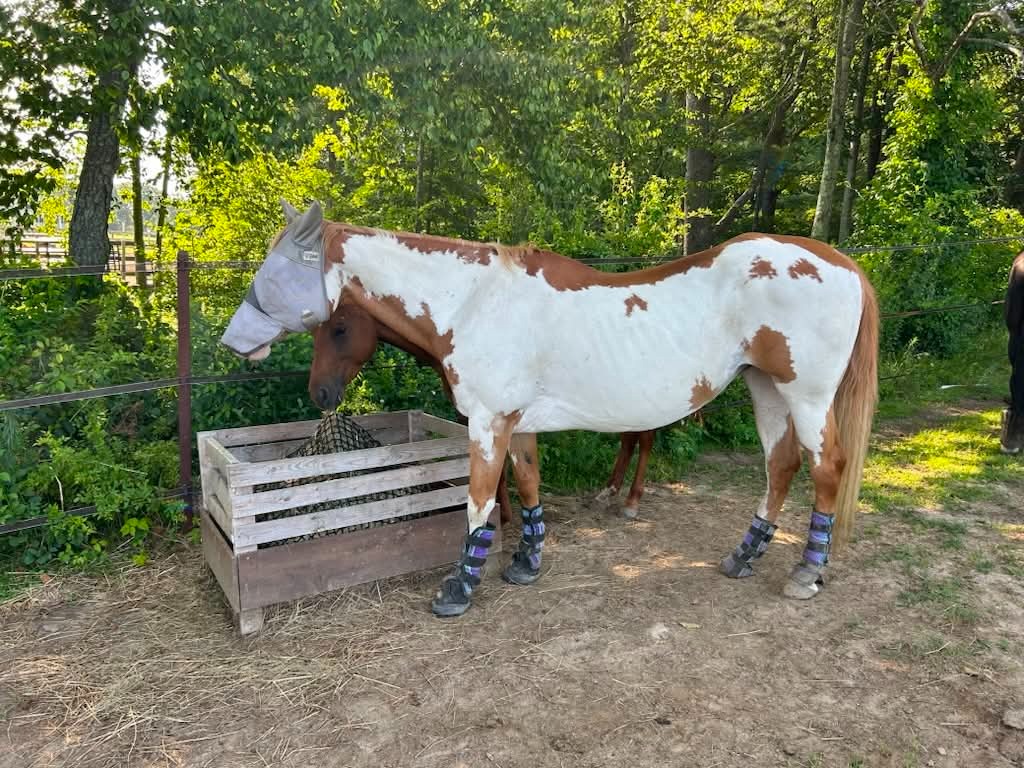
Movement is another very important management strategy for EMS horses. Movement can help control insulin levels in metabolic horses – which is something that we see in humans with metabolic issues as well!
For Pituitary Pars Intermedia Dysfunction, these horses need medication to manage their disease. Pergolide is the current most commonly used medication, although some PPID cases can benefit from injectable cabergoline if they do not do well with taking pergolide in pill form, due to side effects such as the “pergolide veil,” most commonly showing depression and loss of appetite. This can show up in about 20% of horses, and can often be mitigated through a slow titration up of the medication, or utilizing adaptogens such as APF Pro or the herb jiaogulan.
It is also important to understand that PPID is a progressive disease. As it advances, medication dosages may need to be adjusted to maintain adequate control of ACTH levels.
PPID and EMS Are Not Curable
One common misconception is that metabolic issues can be cured.
The misconception when it comes to these can be bloodwork results. When horses are not managed well, those with EMS can have elevated insulin levels, and PPID horses can have elevated ACTH levels. Once under proper management, these levels can drop significantly, allowing some to believe the horse has been “cured.” Unfortunately, this is not the case, and these horses need to be managed for the rest of their life.
With PPID, time of year has to be considered when looking at changes in bloodwork results. ACTH levels naturally rise in the fall as part of the horse’s normal seasonal physiology, helping stimulate winter coat growth. In horses with PPID, however, this seasonal rise can become exaggerated, leading to worsening symptoms and an increased risk of laminitis.
ACTH levels typically decline through winter and into spring. Because of this natural fluctuation, some owners see lower ACTH values on spring bloodwork and assume their horse has recovered from PPID. Unfortunately, this is not the case.
PPID, like EMS, requires lifelong management. While medication can effectively control the disease and reduce the risk of complications, it does not eliminate the underlying condition.
Do Herbal Supplements Treat PPID or EMS?
Many owners explore herbal approaches to managing EMS or PPID. While some herbs may help improve certain symptoms, they should not be viewed as replacements for proven management strategies.
For example, Chaste Tree Berry is commonly marketed for PPID. While it may help improve some outward symptoms, research has not shown it to reduce ACTH levels, slow disease progression, or lower the risk of laminitis. Currently, medication remains the only proven method for effectively controlling ACTH in horses with PPID.
Similarly, some owners use herbs such as cinnamon in an attempt to improve insulin sensitivity in EMS horses. This can create a false sense of security, leading owners to allow grazing or feed higher-sugar diets that would otherwise be avoided.
The reality is that cinnamon does not significantly improve insulin regulation in a way that makes these management changes safe. Relying on supplements while neglecting proper dietary management can dramatically increase the risk of laminitis.
For EMS, diet and exercise remain the gold standard.
Hoof Comfort
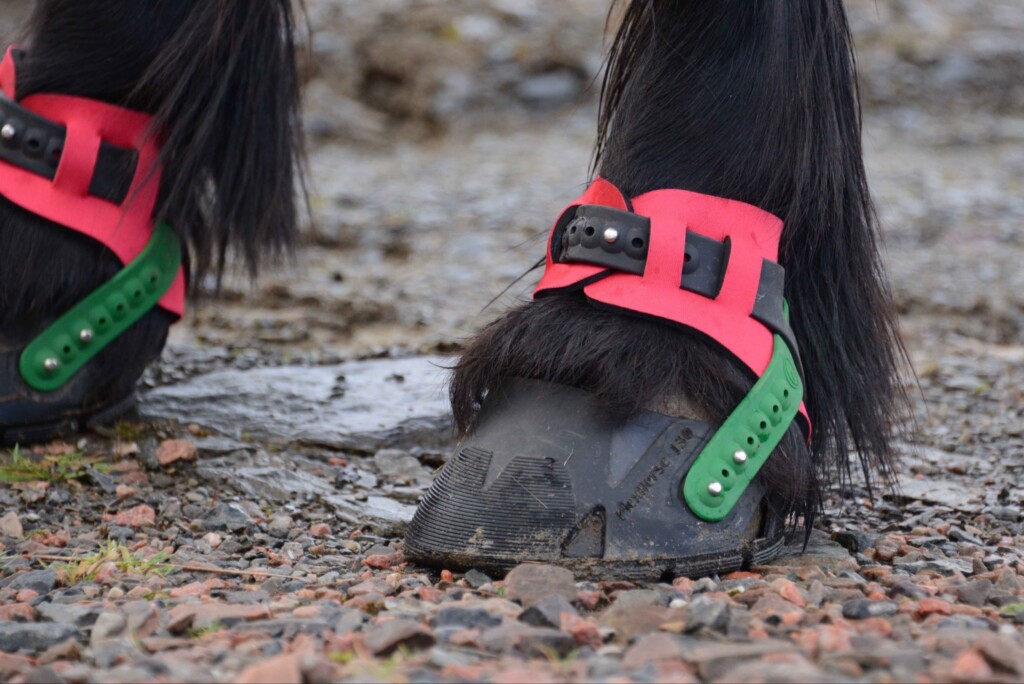
Both EMS and PPID horses can struggle with hoof issues. The best way to resolve these is proper management of the underlying issues – either diet and exercise for EMS horses, and proper medicinal management for PPID horses. That being, while a new hoof is growing in, boots and pads can be incredibly beneficial to keep these horses comfortable and sound.
Final Thoughts
Although EMS and PPID are frequently discussed together and can share some clinical signs, they are fundamentally different conditions.
EMS is primarily managed through careful dietary control and appropriate exercise, while PPID requires lifelong medical management. Understanding the differences between these conditions allows owners and professionals to make informed decisions that protect the horse’s health, comfort, and long-term soundness.