
Author : Alicia Harlov
Alicia Harlov is one of Flex Boots’ Equine Educators and Barefoot Trimming Specialists, where she creates video content as well as written articles pertinent to barefoot hoof health and soundness. Outside of Flex Boots, Alicia is a PHCP-certified hoofcare provider and program mentor who lives on the North Shore of Massachusetts, where she runs a hoof rehabilitation facility with a special focus on navicular horses. She pursues continuing education for hoofcare, equine nutrition and biomechanics at every opportunity, from sources around the world.
Owning a horse with hoof issues or chronic soundness problems isn’t for the faint of heart.
It’s a roller coaster. There are days when your horse mostly comfortable steps and you feel like you’re finally getting somewhere. There are times when they trot across the field and you think, hey, we’re actually turning a corner! And then there are days when they’re sore again, when something that was working suddenly doesn’t seem to be helping, or when you find yourself questioning every decision you’ve made along the way.
Rehabilitation can be physically exhausting, financially stressful, and emotionally draining. It’s full of uncertainty, small victories, frustrating setbacks, and sometimes incredibly difficult decisions. And while we often talk about what a horse needs to successfully rehabilitate, we don’t always talk about what it takes from the person standing beside them through the process.
Being the owner of a rehab horse requires more than just a good hoofcare provider, a great veterinarian, or the right pair of hoof boots. It takes commitment, patience, an open mind, and perhaps most importantly, the emotional fortitude to keep showing up for your horse even when progress feels painfully slow.
The good news is, you don’t have to be wealthy, have a degree in equine biomechanics, or know everything about hoof rehabilitation to be a great rehab horse owner. You just have to be willing to learn, adapt, and put your horse’s wellbeing at the center of the decisions you make.
Loving the Horse in Front of You
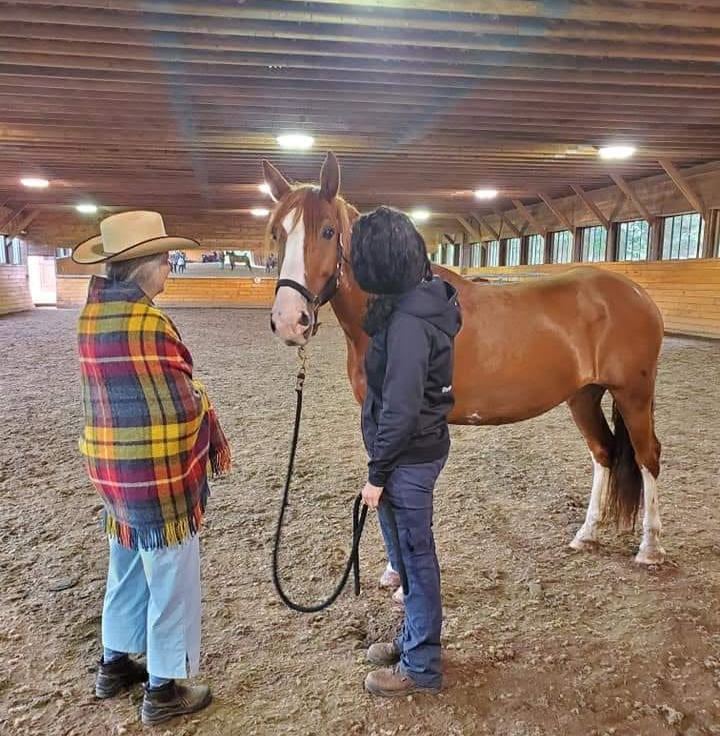
Perhaps the most fundamental requirement of owning a rehab horse is a love for that horse that extends beyond what they can do for us. When we bring horses into our lives, we often have dreams and expectations for them, whether that’s competing, trail riding, or simply enjoying time in the saddle. When a horse develops chronic hoof pain or soundness issues, those plans may need to be put on hold, sometimes temporarily and sometimes permanently. One of the hardest parts of rehabilitation is learning to separate what we want for our horses from what they actually need.
Sometimes loving your horse means not riding them. It means giving them the time off they need, even when they’re finally starting to feel better and you’re eager to get back to doing the things you love together. It means recognizing that a horse’s value isn’t tied to their ability to carry a rider, and that a successful rehabilitation doesn’t necessarily have to end with a return to work. A horse that can comfortably move around their turn out, interact with their herd, and enjoy life without chronic pain is a success worth celebrating, even if they never carry a saddle again.
That doesn’t mean that we accept a plateau or stall in rehab simply because a horse doesn’t need to be ridden again. Not having competitive expectations shouldn’t mean that we accept less than what the horse can reach for their comfort.
Patience for a Process That Isn’t Linear
Hoof rehabilitation doesn’t happen overnight, and it almost never follows a perfectly straight line. The hoof is a living, dynamic structure that responds to movement, loading, environment, nutrition, and the overall health of the horse. Changes in hoof growth, biomechanics, and movement patterns can take months to develop, and significant improvements in comfort and function may take even longer. There may be weeks of improvement followed by unexpected setbacks, or periods when progress seems to stall entirely.
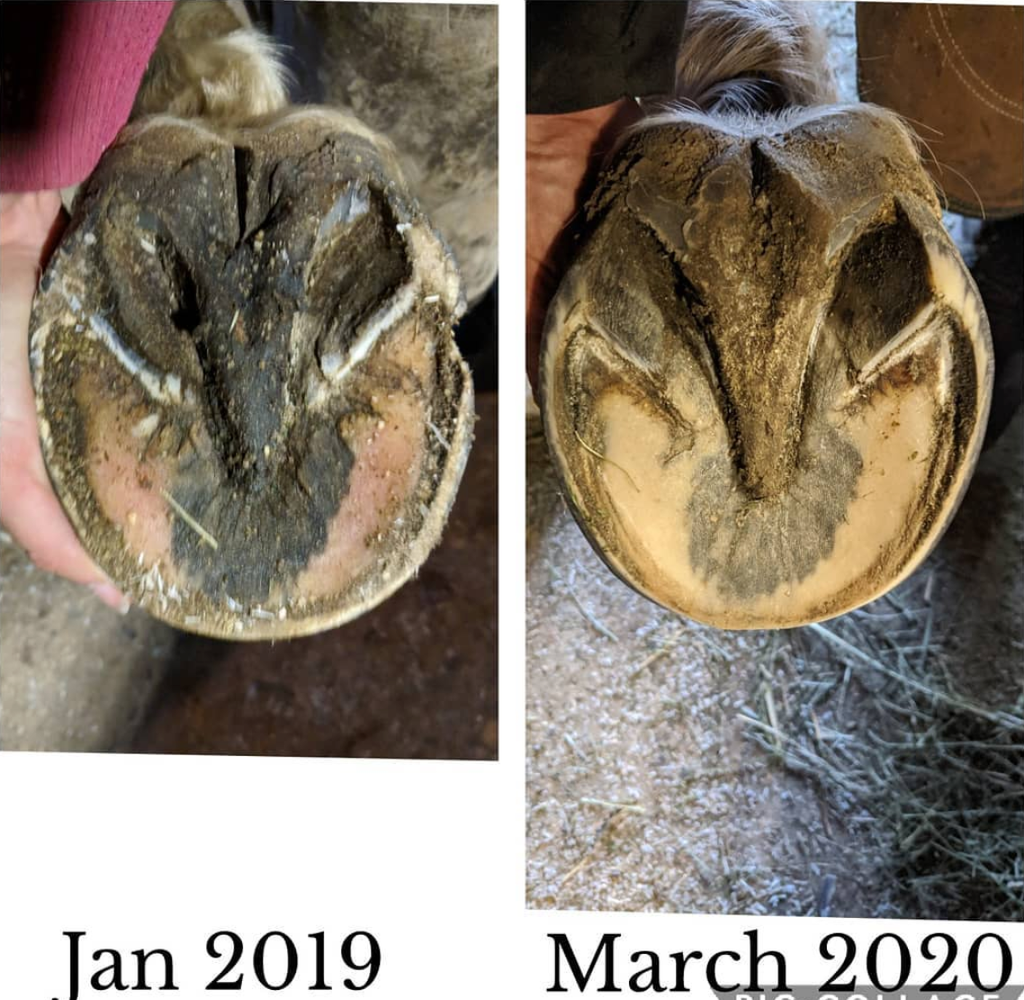
As owners, we have to be willing to give our horses the time they need rather than rushing them toward an arbitrary deadline. As mentioned before, that might mean taking an entire riding season off, adjusting expectations for exercise, or recognizing that just because a horse can do something doesn’t mean they’re physically ready to do it. Depending on the horse and their condition, rehabilitation may involve rest, controlled movement, gradual reconditioning, or a combination of approaches. The challenge is finding the balance that supports healing without asking more of the horse than their body can comfortably manage. Patience isn’t always about doing nothing; sometimes it’s about resisting the temptation to do too much, too soon.
Looking Beyond the Hoof
One big misconception about hoof rehabilitation is that the solution must be found entirely within the hoof itself, or something we put on the foot. While appropriate hoofcare is incredibly important, hoof health doesn’t exist in isolation from the rest of the horse. Diet, metabolic health, body condition, movement patterns, environment, and underlying disease can all influence hoof comfort and soundness. Being a committed rehab owner means being willing to investigate the bigger picture rather than assuming that the right trim or hoof protection alone will solve every problem.
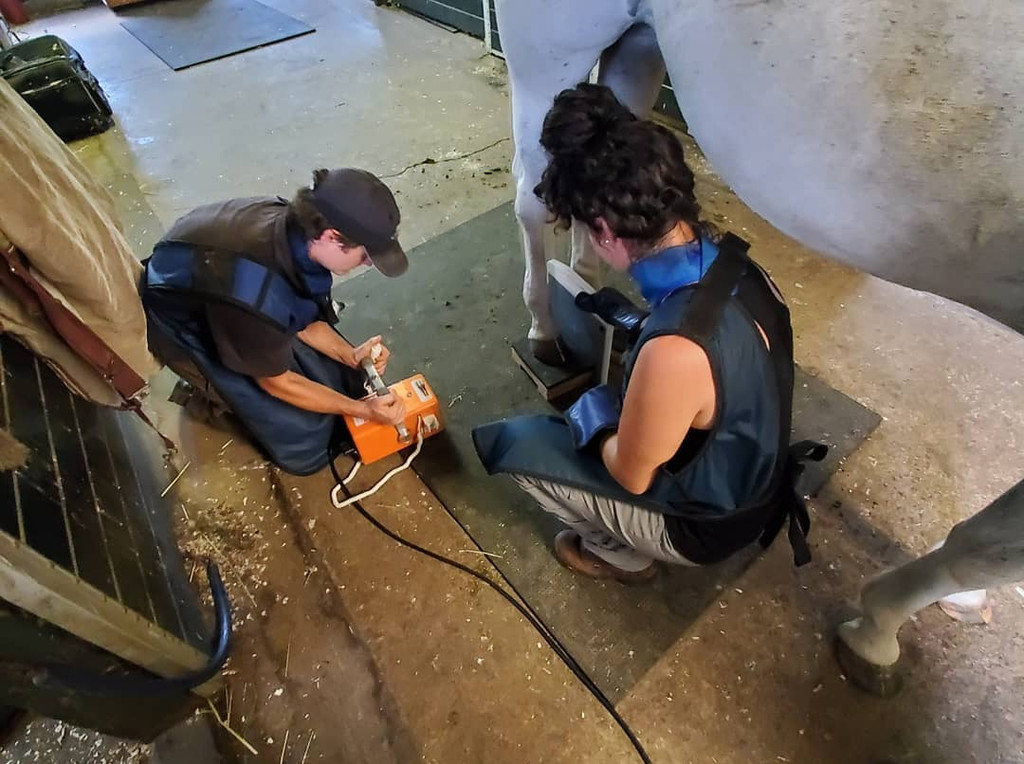
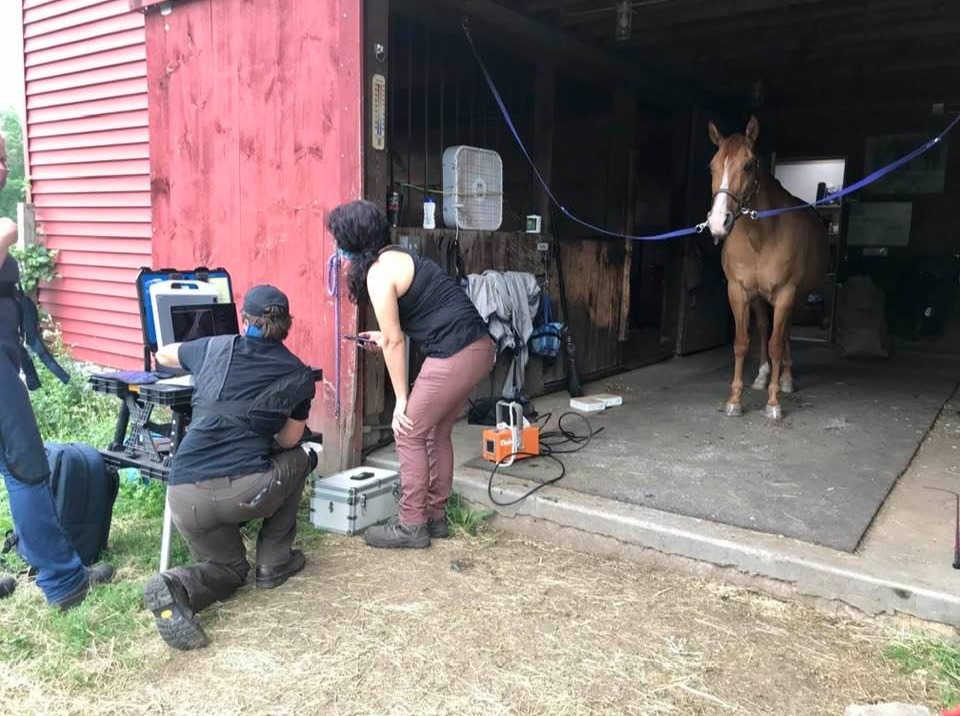
This might mean working with a veterinarian to investigate metabolic issues like insulin resistance or PPID, or having them evaluate the horse for other underlying health concerns. It might mean testing hay, evaluating mineral balance, or making changes to the horse’s diet to better support healthy hoof growth. It may involve looking more closely at biomechanics, posture, and compensatory movement patterns to understand why certain structures are being overloaded or why a horse continues to struggle despite changes in hoofcare. None of this means an owner needs to become an expert in every aspect of equine health. It simply means being curious, asking questions, and recognizing that successful rehabilitation often requires a whole-horse approach.
Prioritizing Comfort and Putting in the Work
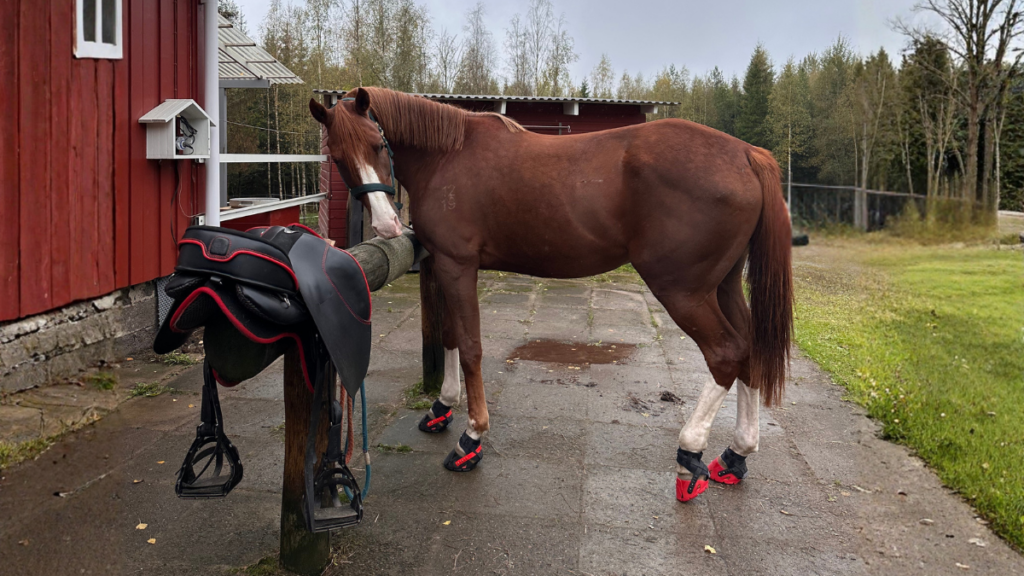
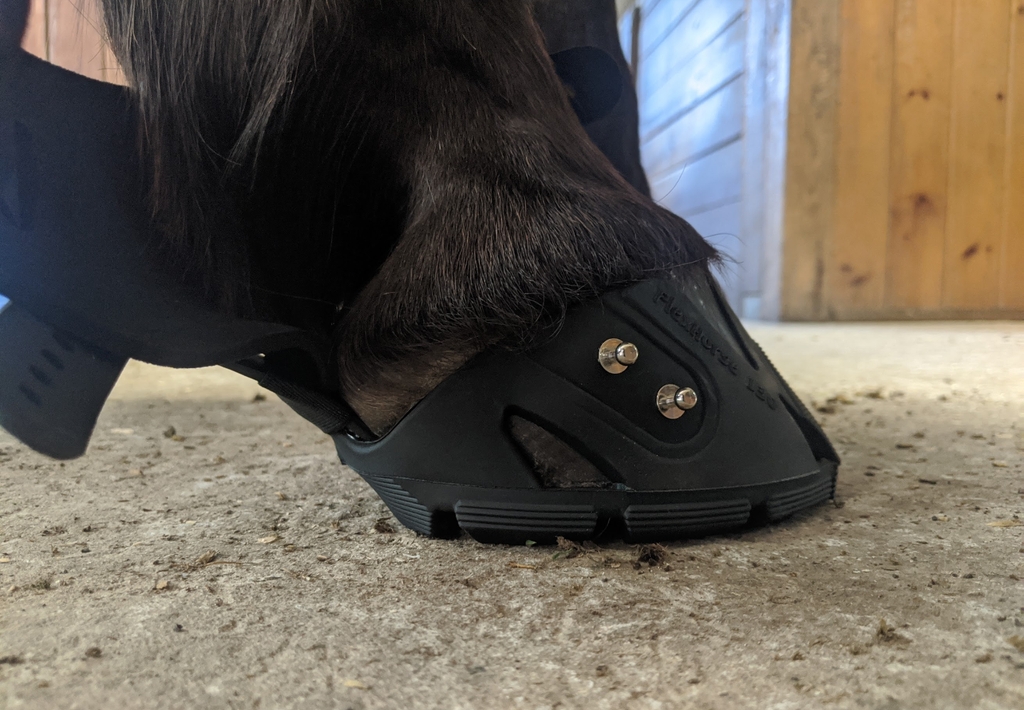
A huge part of being a rehab horse owner is being willing to prioritize comfort, even when doing so requires additional time and effort. For some horses, that means using hoof boots and pads during turnout or exercise. For others, it may involve more therapeutic care, changes in footing, or adjustments to their environment. Sometimes it means putting boots on every morning, taking them off every evening, checking for rubs, cleaning them, replacing worn pads, and continually reassessing whether they’re providing the support the horse needs. It isn’t always convenient, but comfort is one of the foundations upon which rehabilitation is built.
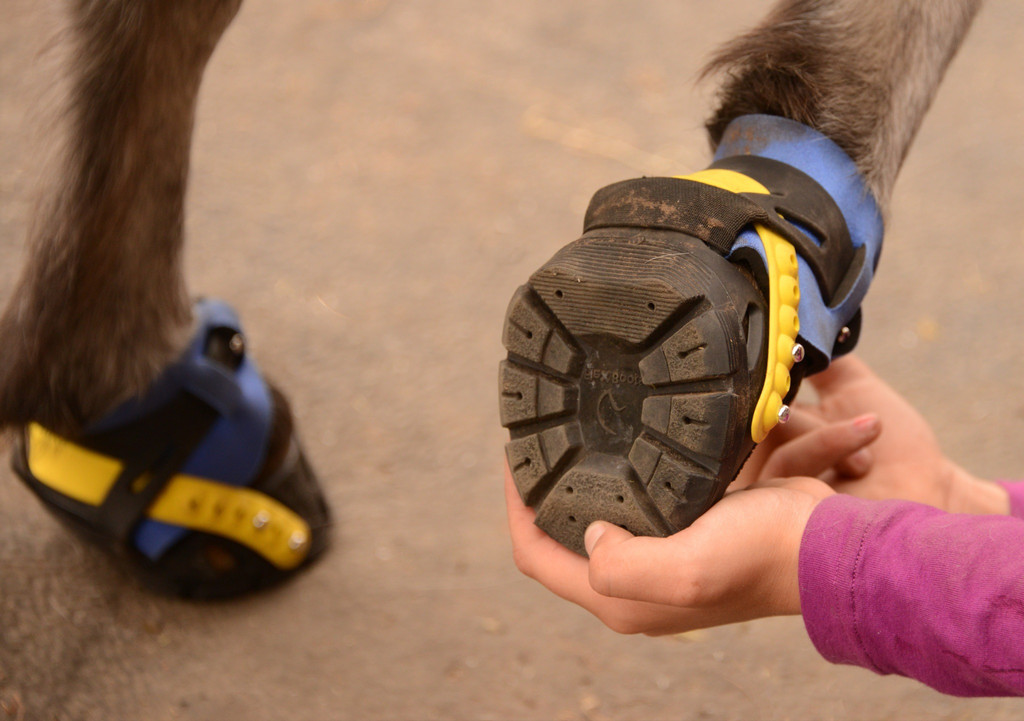
When horses are uncomfortable, they often compensate through their movement, shifting weight away from painful structures and potentially creating additional strain elsewhere in the body. Appropriate comfort measures can help create the conditions for healthier movement, but it’s also important to recognize that moving more doesn’t automatically mean moving better. A horse may be willing to walk across gravel while still landing toe-first, shortening their stride, or subtly protecting a painful area. Learning to recognize these differences, and being willing to respond to them, is an important part of the rehabilitation process.
Rehabilitation also doesn’t happen only during a hoofcare appointment or veterinary visit. Most often, the small things owners do consistently between appointments can make a tremendous difference. Depending on the horse, that includes paying attention to their diet and environment to set them up for success, at the very least. It might also include things like appropriate strengthening exercises, stretches, groundwork, monitoring movement, or gradually introducing different surfaces as comfort allows. It may mean taking regular hoof photographs, maintaining a consistent trim schedule, or making environmental changes that encourage comfortable movement. These things aren’t particularly glamorous, and sometimes they’re downright tedious, but consistency matters. The owner who is willing to put in that daily effort can play an incredibly valuable role in their horse’s recovery.
Remembering That a Rehab Horse Is Still a Horse
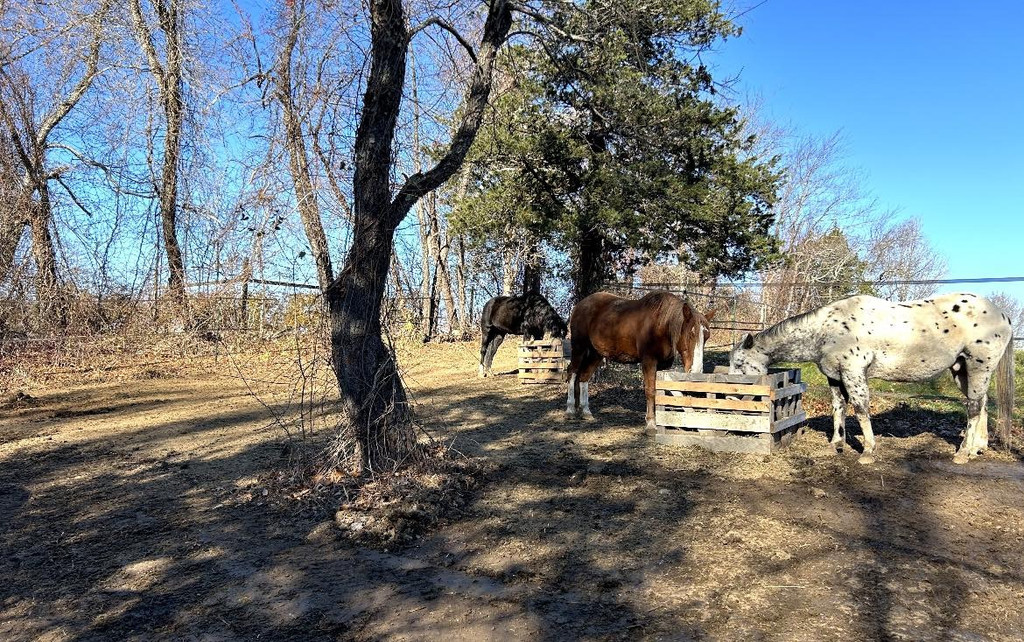
In our efforts to manage a horse’s physical problems, it can be easy to overlook their basic needs as a horse. Horses are designed to move, forage, and interact socially, and their physical and emotional wellbeing are closely connected. Access to appropriate turnout, companionship, and forage should be important considerations in any rehabilitation plan. Of course, some injuries and conditions require temporary restrictions, controlled exercise, or carefully managed turnout, but whenever possible, our goal should be to support the horse’s natural needs while accommodating their physical limitations.
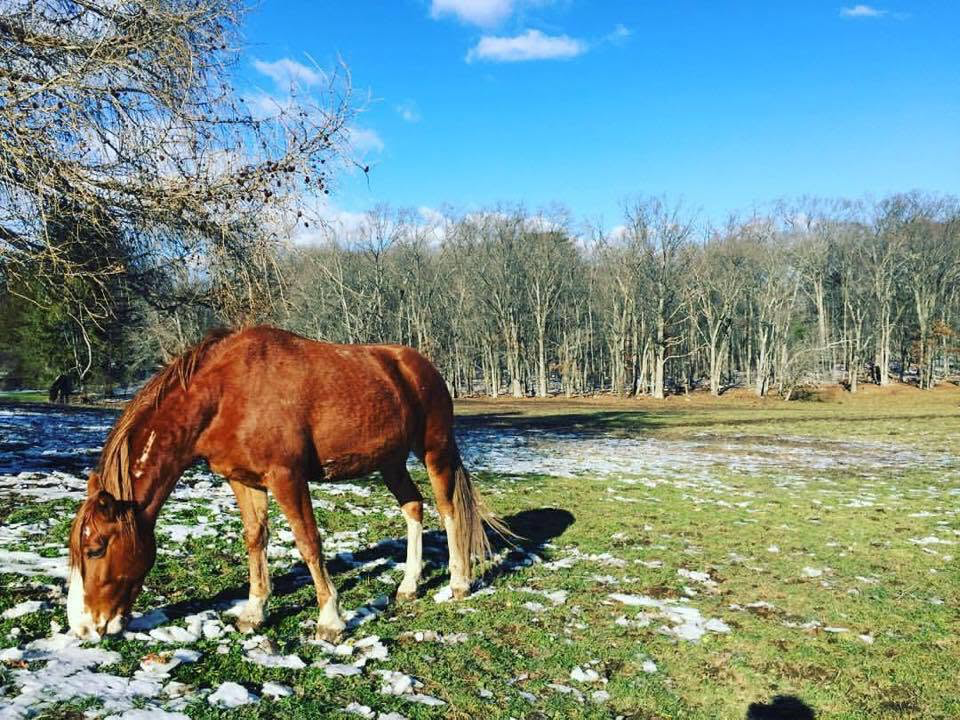
Sometimes meaningful improvements come from changes that aren’t particularly complicated. Providing a more suitable living environment, encouraging comfortable voluntary movement, reducing unnecessary stress, or ensuring consistent access to appropriate forage can all contribute to a horse’s overall wellbeing. Rehabilitation shouldn’t focus so narrowly on the feet that we forget about the animal attached to them. A horse who is physically improving but living in a constant state of stress or frustration may still have important welfare needs that aren’t being met.
Being Willing to Learn, Adapt, and Ask Questions
You don’t have to know everything about hoof anatomy, nutrition, or biomechanics to be a good rehab owner, but you do have to be willing to learn. That means asking questions, seeking out reliable educational resources, and being open to the possibility that something you’ve always believed about hoofcare or horse management might need to change. It means recognizing that there isn’t always one perfect answer, and that what worked for another horse may not necessarily work for yours.
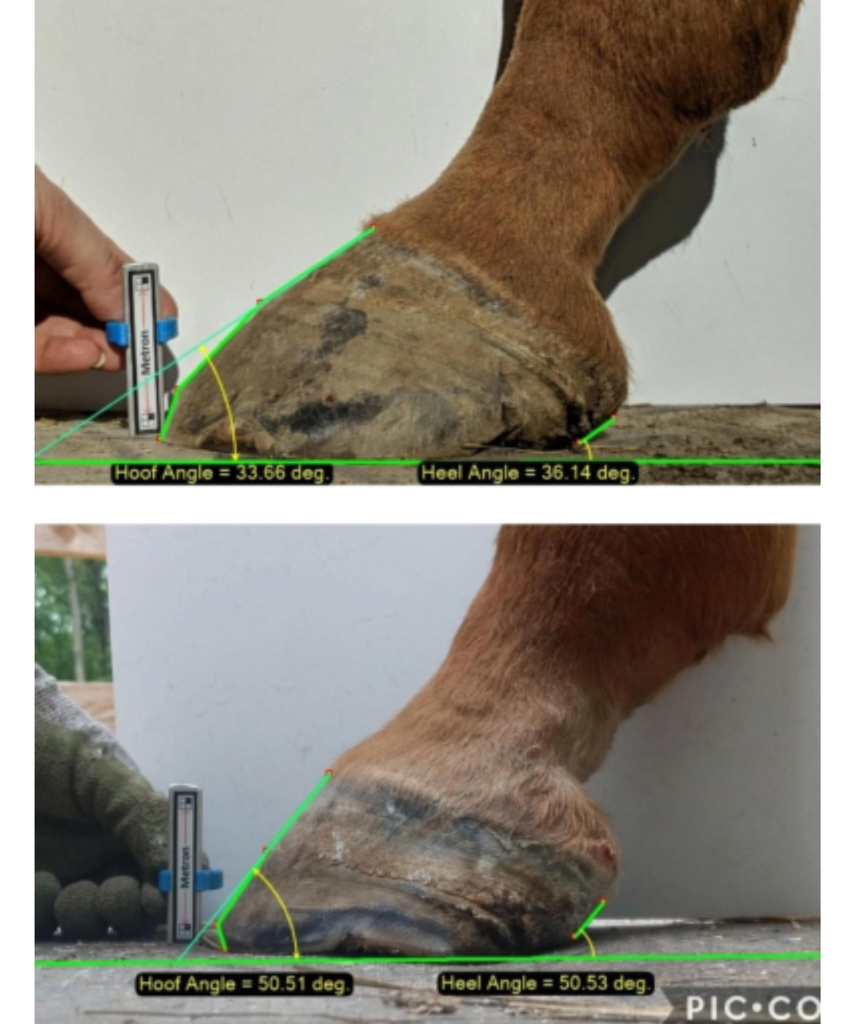
Being open-minded doesn’t mean blindly trying every new supplement, product, or rehabilitation technique that comes along. In fact, it actually might mean putting the work in to learn what might be helpful, and what could be a waste of time. It means evaluating information, surrounding yourself with professionals who are willing to collaborate, and making decisions based on the individual horse standing in front of you. And when something isn’t working, it means being willing to reassess rather than continuing down the same path simply because it’s the one you’ve already invested in. There is no shame in changing a rehabilitation plan, seeking another opinion, or admitting that you don’t have all the answers.
The Emotional Fortitude to Keep Showing Up
It’s hard to talk about owning a rehab horse without talking about the emotional toll it takes on the owner. A lot of the rehab discussions focus on the obvious – we spend so much time talking about hoof angles, trimming cycles, radiographs, nutrition, and therapeutic approaches, but we can’t forget about the person who is living through the rehabilitation process every single day. It’s hard to watch an animal you love struggle. It’s hard to feel hopeful one week and defeated the next, or to invest your time, energy, and money into something without knowing how it will turn out.
Rehab owners often carry an enormous amount of guilt. We question whether we missed something, whether we made the wrong decision, whether we should have done something sooner, or whether we could have prevented the problem in the first place. Every setback can feel personal, especially when we’ve been working so hard to do everything right. But rehabilitation isn’t a test of how much you love your horse, and setbacks aren’t necessarily evidence that you’ve done something wrong. Sometimes bodies heal slowly. Sometimes underlying conditions complicate recovery. And sometimes, even with excellent care, the outcome isn’t what we hoped for.
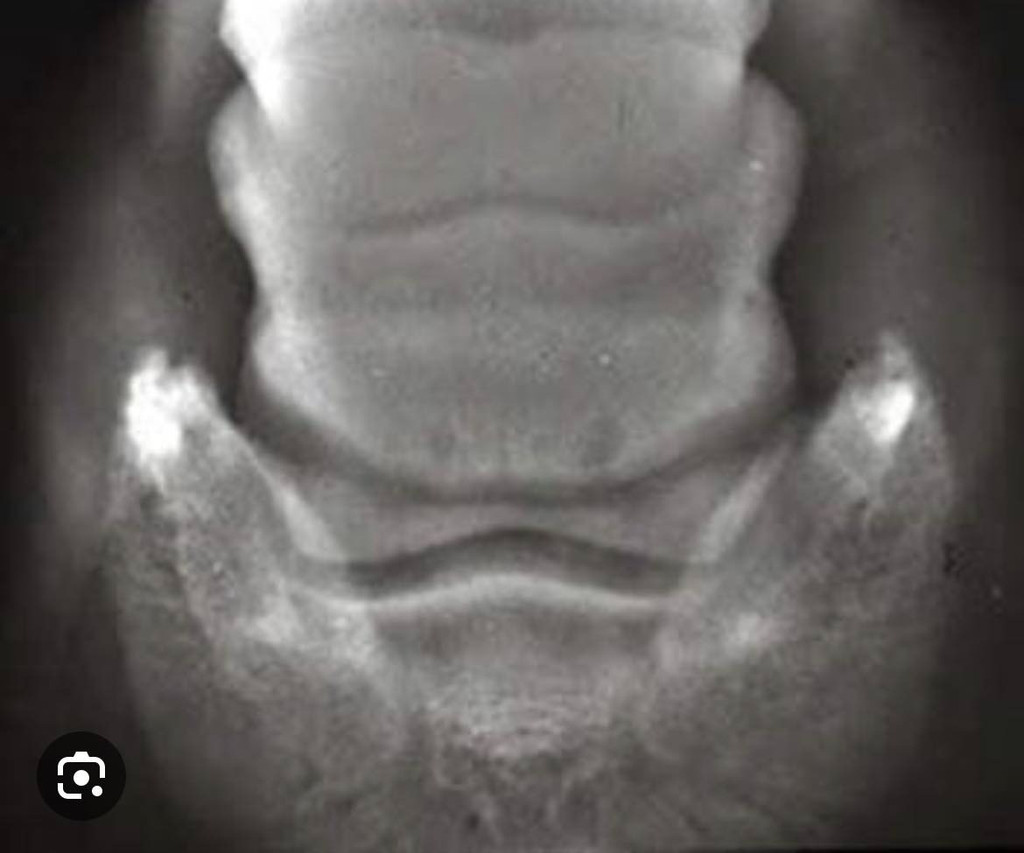
It’s important to note, though, that there is a difference between being committed to your horse’s rehabilitation and feeling personally responsible for fixing your horse. Commitment means advocating for their comfort, seeking appropriate care, educating yourself, and making the best decisions you can with the information and resources available to you. Feeling responsible for fixing them, on the other hand, can create an impossible expectation that if you just research enough, spend enough money, find the perfect professional, or try one more treatment, you’ll eventually be able to make everything right.
But, as we know, horses aren’t machines, and rehabilitation isn’t a puzzle that always has a solution if we just work hard enough to find it. There are always going to be some form of limitations, underlying conditions, and countless factors outside of our control. We can provide the best possible environment for healing, but we can’t force the body to heal. We can support comfort, but we can’t guarantee soundness. We can make thoughtful, informed decisions, but we can’t control every outcome.
And that’s an incredibly difficult thing to accept when you love an animal so much.
Being a dedicated rehab owner doesn’t mean taking on the weight of every setback as a personal failure. It doesn’t mean sacrificing your own physical, emotional, or financial means or comfort in pursuit of the perfect solution. It means understanding the difference between what is within your control and what isn’t. You are responsible for making compassionate, informed decisions for your horse, but you are not personally responsible for whether their body responds the way you hoped it would.
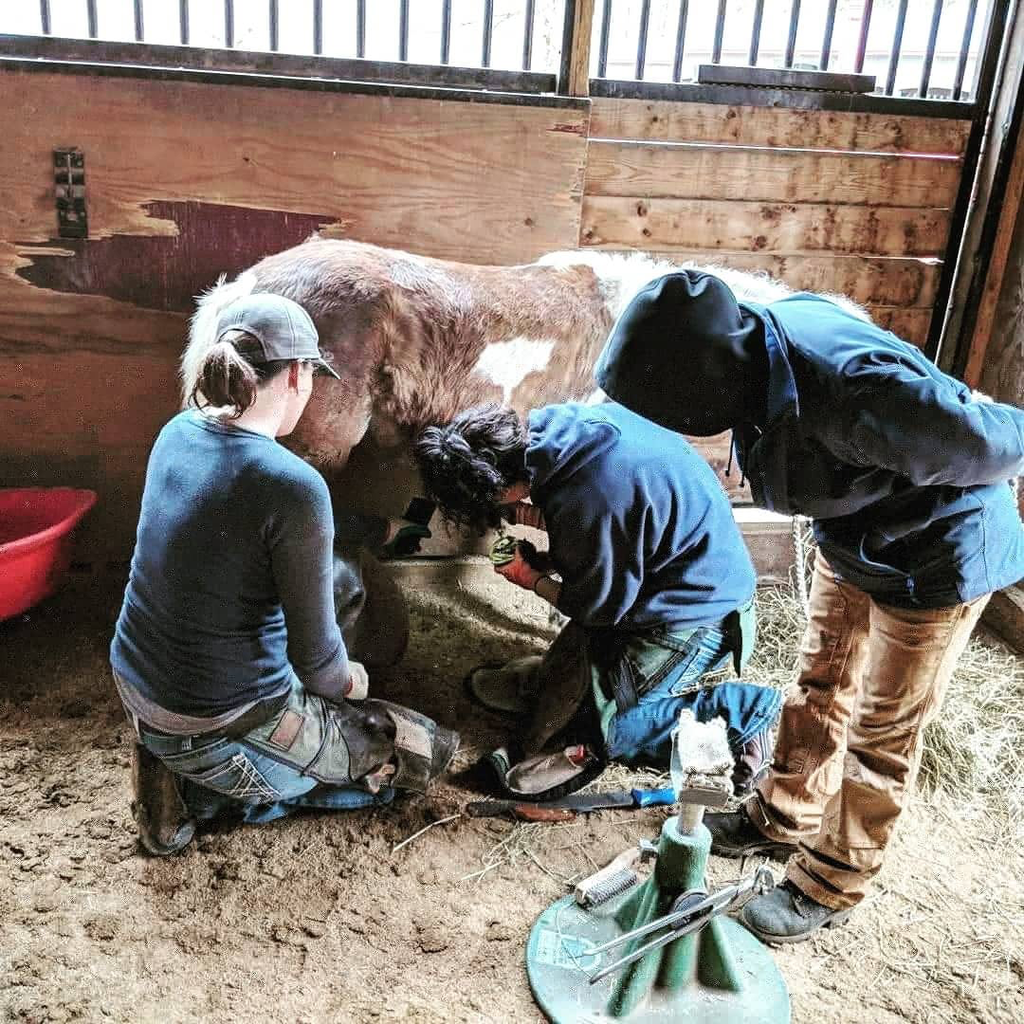
Emotional fortitude doesn’t mean never feeling discouraged, frustrated, or overwhelmed. It means acknowledging those feelings without allowing them to dictate every decision you make. It means celebrating the small victories, accepting that progress may look different than you imagined, and recognizing when you need support yourself. Sometimes it also means having the courage to make incredibly difficult decisions about what is fair and humane for your horse, even when those decisions break your heart.
You Don’t Have to Be Wealthy or Know Everything
One of the things I wish more owners understood is that being a good rehab horse owner isn’t about having unlimited financial resources or an advanced understanding of equine anatomy. Yes, rehabilitation can be expensive. Veterinary diagnostics, specialized hoof care, boots, pads, dietary changes, and other interventions can add up quickly, and financial resources can certainly expand the options available to us. But spending the most money doesn’t automatically mean we can fix our horses – we can have infinite funds and still have a case that ends up unsolved.
Sometimes the most meaningful changes are relatively simple: improving nutrition and daily management, maintaining a consistent hoofcare schedule, using appropriately fitted boots and pads, modifying the environment, or taking the time to observe how a horse moves. Education can help us prioritize where our resources are best spent rather than purchasing every product or supplement that promises a solution. And when more extensive medical care is necessary, being honest about financial limitations and working with your care team to determine realistic options is part of responsible ownership.
The same is true for knowledge. You don’t need to be a veterinarian, farrier, or hoofcare professional to be an important part of your horse’s rehabilitation team. You need to be willing to ask questions, learn from the people around you, and become a better observer of your own horse. In many cases, the owner is the best person to notice subtle changes in comfort, behavior, and movement because they’re the one seeing that horse day after day. Those observations are valuable, even if you don’t always know exactly what they mean.
Your Horse Needs Your Commitment, Not Your Perfection
If you’re currently navigating a hoof rehabilitation journey, I hope you recognize just how much you’re already doing. The hours spent researching, the endless questions, the appointments, the boot changes, the photographs, the diet adjustments, the hand walking, the moments of hope, and the nights spent worrying about whether your horse will ever be comfortable again. It’s a lot, and it can feel incredibly lonely at times.
But rehabilitation doesn’t require perfection. You don’t have to know all the answers, have unlimited financial resources, or spend every waking moment researching the next possible solution. You need a willingness to learn, a commitment to your horse’s wellbeing, the patience to let progress unfold, and the courage to adapt when things don’t go as planned. You also need to know when to ask for help, when to reassess your expectations, and when to give yourself some grace.
Being a good rehab horse owner isn’t measured by how quickly your horse becomes sound, how much money you’ve spent, or whether you ever get back in the saddle. It’s measured by your willingness to advocate for their comfort, respect their limitations, and make decisions that prioritize their quality of life. And sometimes one of the hardest lessons in rehabilitation is learning that you can do everything within your power for your horse and still not get the outcome you hoped for. That doesn’t mean your efforts were wasted, or that you somehow failed them.
The greatest thing we can give our horses isn’t another treatment, another supplement, or another rehabilitation technique. It’s the time, patience, and understanding to let them be the horse they are today, rather than the horse we hoped they would be for us in the future.