
Author : Alicia Harlov
Alicia Harlov is one of Flex Boots’ Equine Educators and Barefoot Trimming Specialists, where she creates video content as well as written articles pertinent to barefoot hoof health and soundness. Outside of Flex Boots, Alicia is a PHCP-certified hoofcare provider and program mentor who lives on the North Shore of Massachusetts, where she runs a hoof rehabilitation facility with a special focus on navicular horses. She pursues continuing education for hoofcare, equine nutrition and biomechanics at every opportunity, from sources around the world.
When we talk about whether a horse is “sound,” that word can mean different things to different people. One owner might consider a horse sound because they aren’t obviously limping. Another might consider a horse sound if they’re capable of performing their job. Someone else might be watching much smaller details, like how the horse loads its feet in movement, whether they move the same way on different surfaces, whether their stride is symmetrical, or whether they’re subtly protecting one part of their body.
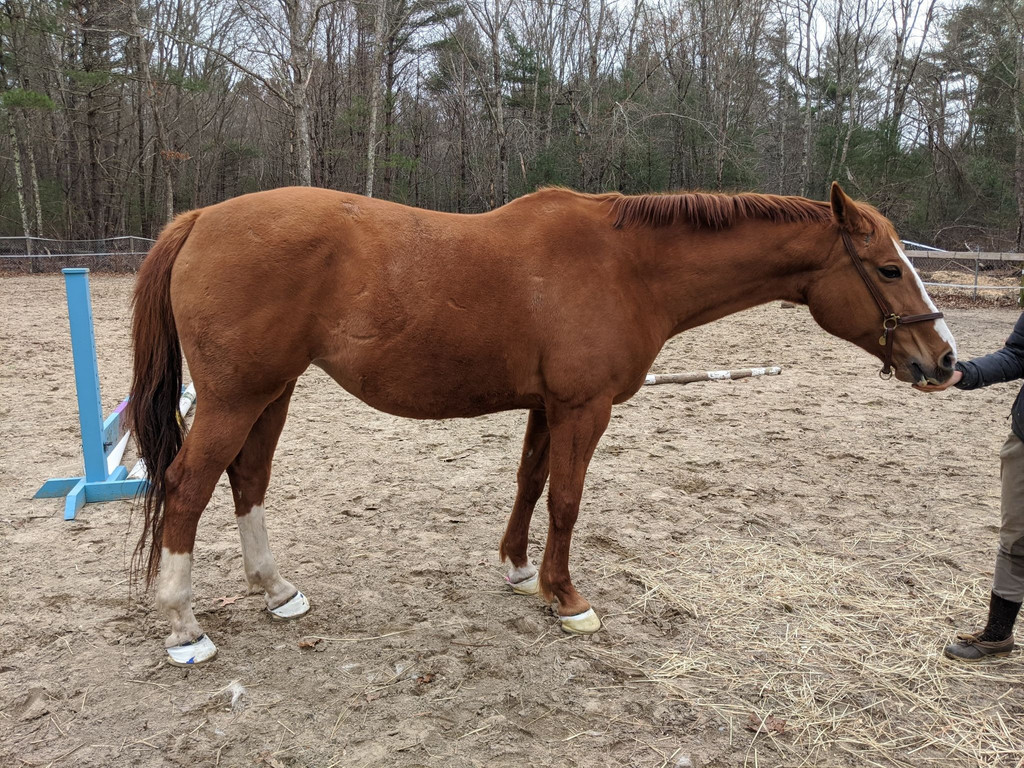
Then there are horses that may not be perfectly sound in the traditional sense but are genuinely comfortable. Maybe they have a body asymmetry, an old injury, arthritis, or another physical limitation that means they need a little extra help. They might need hoof boots for trail riding or pads for harder terrain, but with that support they’re happy, willing, and able to comfortably do what is being asked of them.
And then we have horses that are compensating for some pain somewhere. These horses may still be moving around their turn out, riding, or even competing, but their movement is telling us that they’re changing how they use their body to avoid discomfort somewhere else.
Those distinctions matter because our ultimate goal shouldn’t simply be to recognize if a horse can still DO something, but how the horse feels while doing it.
What Does a Sound Horse Look Like?
A truly sound horse should generally be able to move freely and comfortably without having to noticeably protect any foot, limb, or area of their body. Their movement should look relatively symmetrical, fluid, and willing, although it’s important to remember that horses are individuals and perfect symmetry isn’t necessarily realistic.
It is important to look at horses on a variety of appropriate surfaces because surfaces can tell us quite a bit. A horse might look perfectly comfortable walking across soft footing but become tentative the moment they reach harder ground. That doesn’t automatically diagnose a problem, but it can help alert us that we may need to investigate further. A sound horse should generally be able to negotiate the normal surfaces they’re expected to encounter without dramatically changing their movement because of discomfort.
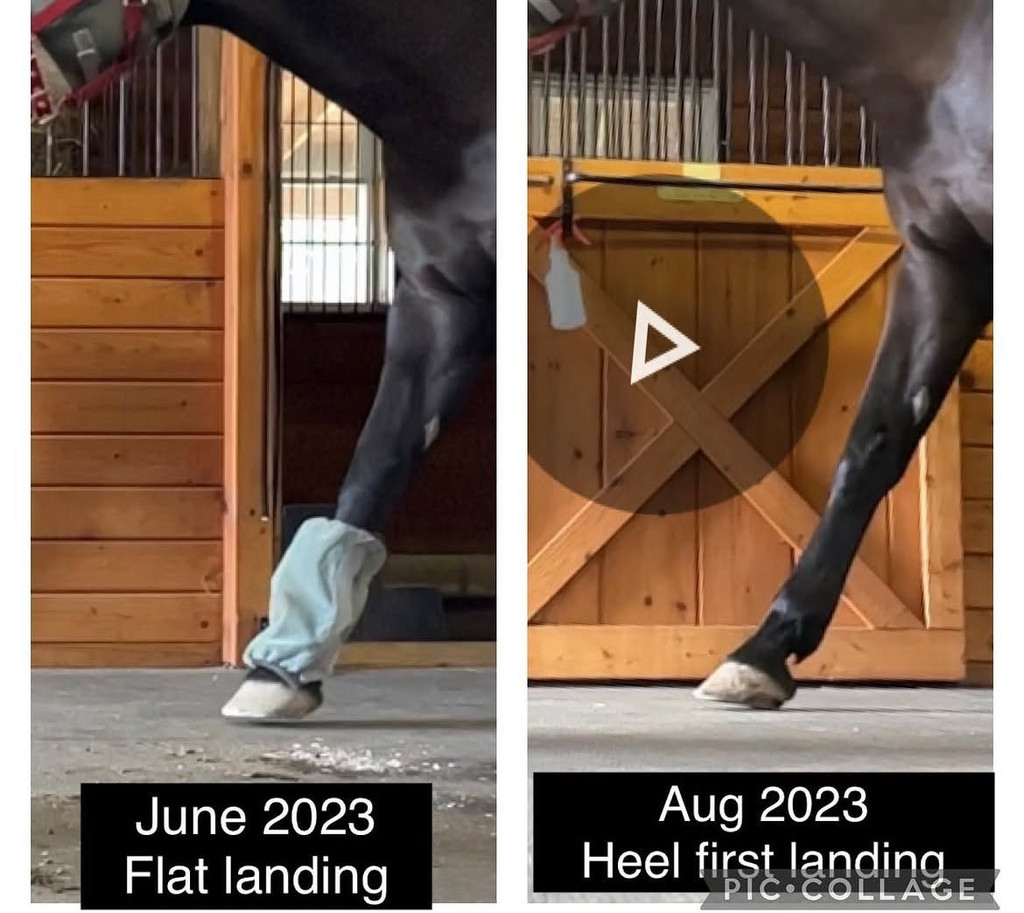
On a flat, level surface, we generally want to see a confident landing with the back portion of the foot engaging first, rather than a persistent toe first landing. We don’t need to obsess over every single footfall, since speed, terrain, conformation, footing, fatigue, and other factors can change individual landings, but repeated patterns are worth paying attention to. A horse that consistently changes how they land may be telling us that they’re protecting a particular structure or region of the foot.
We also want to look at the entire horse, not just the feet. Is the head and neck moving naturally, or is there a consistent head bob associated with a particular limb? Do the hips move relatively symmetrically, or do we repeatedly see one side hiking up higher than the other in movement? Does the horse comfortably reach underneath themselves and track up behind? Are the strides reasonably even? Do they willingly transition between gaits? Can they turn in both directions without becoming guarded or choppy?
A sound horse generally doesn’t have to think very hard about moving. They simply move.
They should also recover normally from ordinary exercise and remain willing to move afterward. If a horse looks fine for the first ten minutes but progressively shortens their stride, becomes reluctant to go forward, or is significantly more uncomfortable after work, that’s information worth paying attention to as well.
Soundness Isn’t Just About Whether the Horse Is Limping
One of the problems with evaluating soundness is that humans are very good at noticing dramatic lameness and much less reliable at noticing subtle compensation. If a horse has an obvious head bob, most owners know something is wrong. But what about the horse that simply doesn’t track up like they used to? What about the horse that has gradually developed a shorter stride? Or the horse that suddenly doesn’t like turning tightly in one direction? Sometimes these changes happen so gradually that they become the horse’s new “normal.”
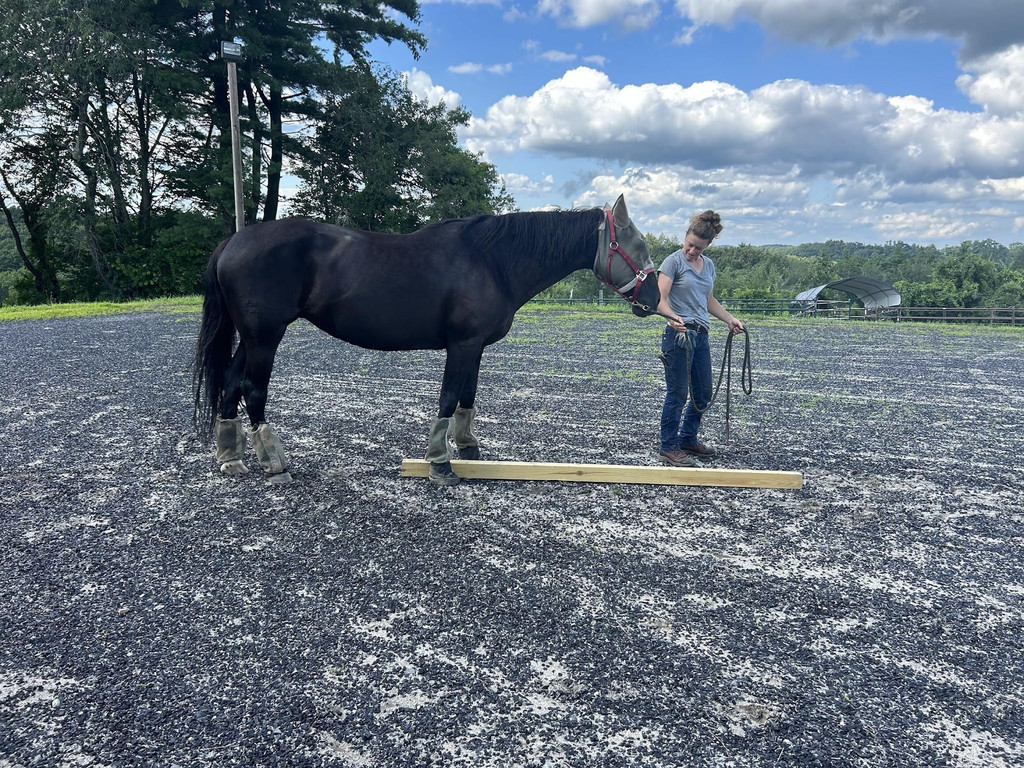
This is particularly important with bilateral discomfort. If both front feet hurt, for example, there may not be an obvious head bob because there isn’t one clearly comfortable limb for the horse to shift toward. Instead, the horse may simply become short and guarded in front. They may take careful steps on hard ground, become reluctant to turn, land differently, or look generally stiff. When both sides are uncomfortable, they can look symmetrical – because they are symmetrically uncomfortable. That’s why “I don’t see a limp” shouldn’t be our only measurement of comfort.
The Horse Who Is Comfortable, But Needs a Little Help
There is also an important middle ground between perfect soundness and unacceptable discomfort.
Some horses have physical limitations that we aren’t necessarily going to eliminate. They may have an old injury, age-related changes, arthritis, or simply feet that aren’t comfortable over every surface without protection, despite good diets and metabolic health.
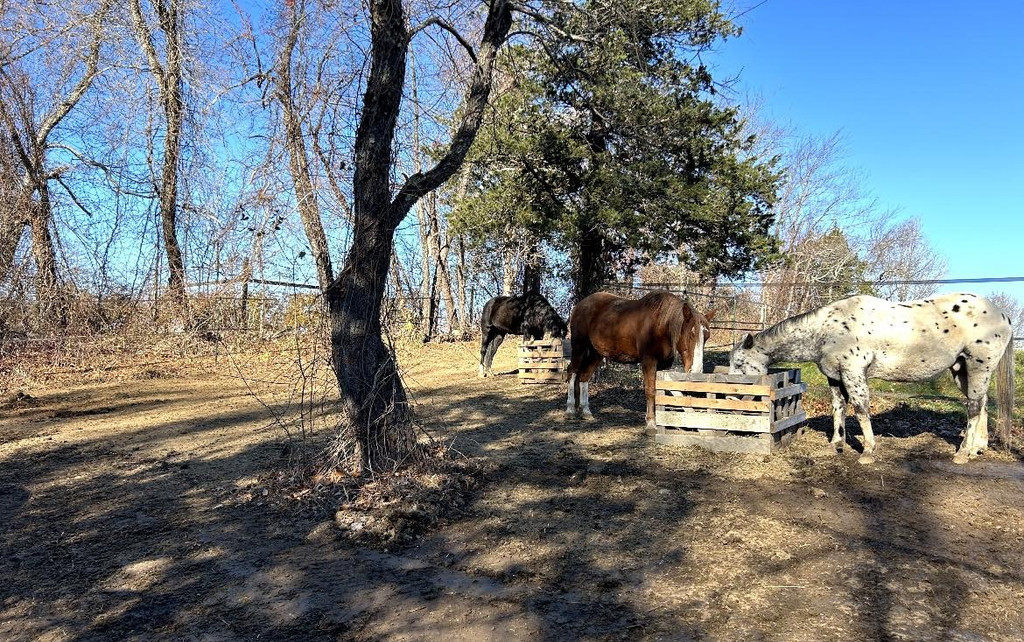
That doesn’t automatically mean they have a poor quality of life. A horse may be completely happy and comfortable walking around their turnout, going to hay, interacting with herd mates, lying down and getting back up, and moving willingly throughout their normal day. Maybe they walk confidently around their field but become sensitive when asked to travel several miles over gravel.
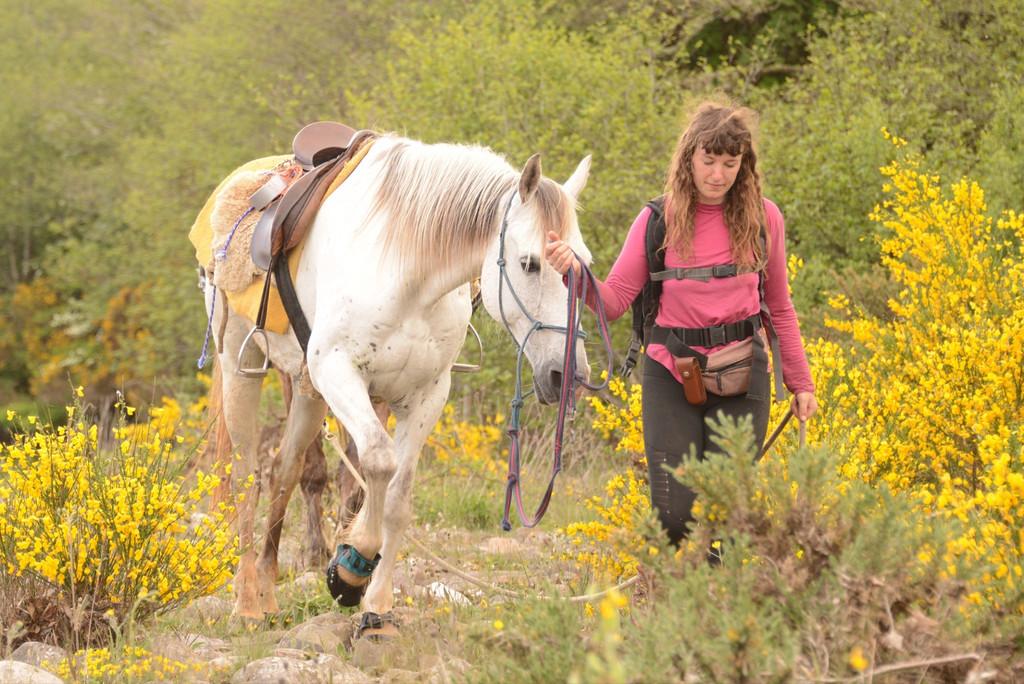
For that horse, hoof protection might make all the difference. Hoof boots with pads can be wonderful tools because they allow us to provide additional protection and cushioning when the horse needs it without necessarily requiring that protection every minute of the day. If a horse is comfortable barefoot in their normal environment but needs boots and pads to comfortably trail ride over rocks, that’s a very different situation from a horse that is painful simply walking to the water trough.
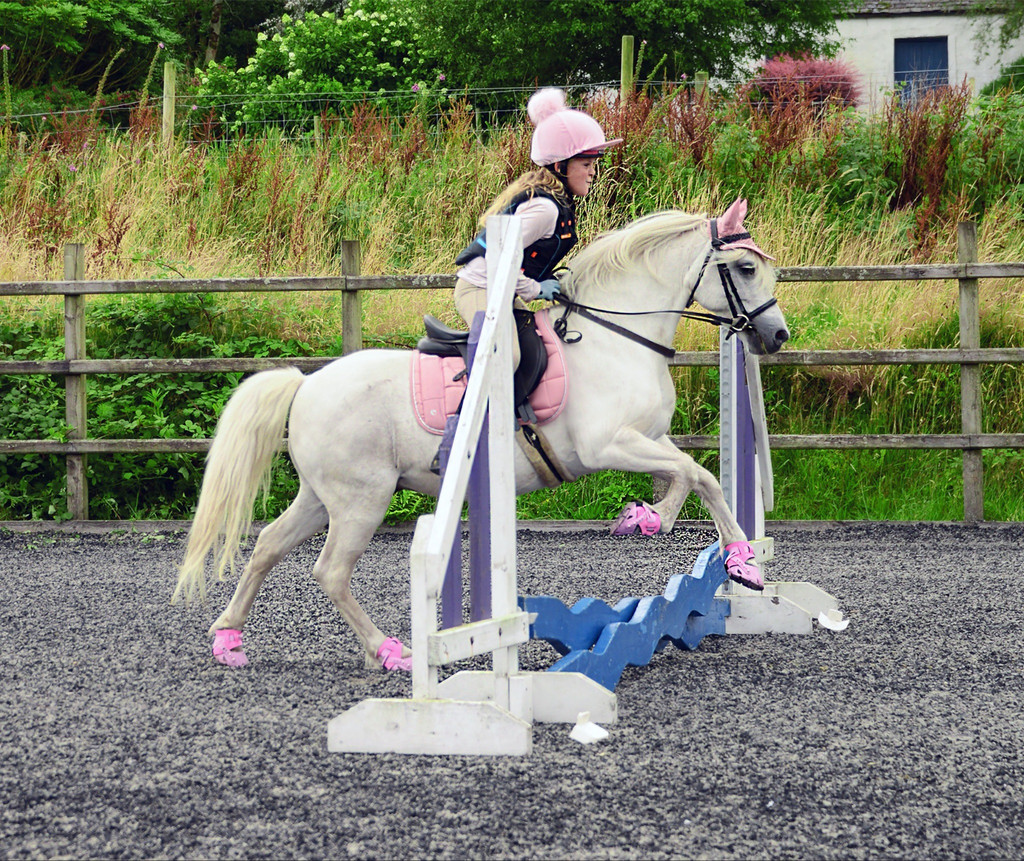
The important part is that the protection should actually make the horse comfortable, not simply make them capable of continuing. Put boots on and watch the horse. Does the stride lengthen? Do they walk more confidently? Do their landings improve? Do they stop searching for softer ground? Does their entire body appear more relaxed?
If appropriate protection allows the horse to move comfortably and willingly, we’ve successfully addressed a limitation. If we’re piling on more and more interventions just to keep a horse performing despite persistent pain behaviors, that’s a different conversation.
Comfortable Doesn’t Have to Mean Perfect
When it comes to older horses and horses with chronic conditions, we need to become increasingly aware and observant.
A 25-year-old horse with arthritis may not move exactly like they did at eight. A horse with a significant previous injury may always have some degree of asymmetry. Some horses may require thoughtful footing, hoof protection, medication prescribed by their veterinarian, changes in workload, retiring from ridden work, or other management strategies to remain comfortable.
Sometimes the goal is a horse who gets up comfortably in the morning, walks willingly to food and water, interacts with their herd, lies down and gets back up without difficulty, and enjoys moving through their environment. Maybe that horse can still enjoy light riding – but maybe not, and that’s okay. Maybe their job changes. Maybe they’re happiest simply living in turnout.
That’s where the distinction between athletic soundness and quality-of-life comfort becomes incredibly important. A horse can reach a point where a particular athletic job is no longer appropriate, while still having an excellent quality of life.
What Does Compensation Look Like?
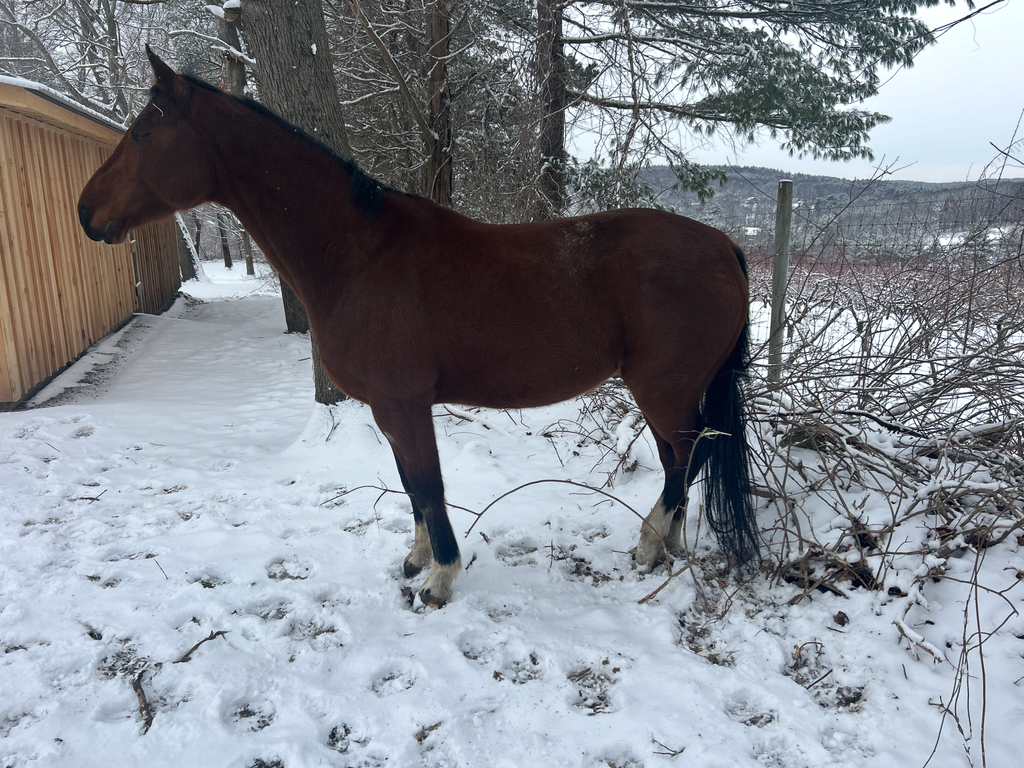
Compensation is where we need to start paying closer attention. When something hurts, horses are incredibly good at finding another way to move. They’ll change how their feet are loading, change their stride length, or adjust their posture to reduce stress on an uncomfortable area.
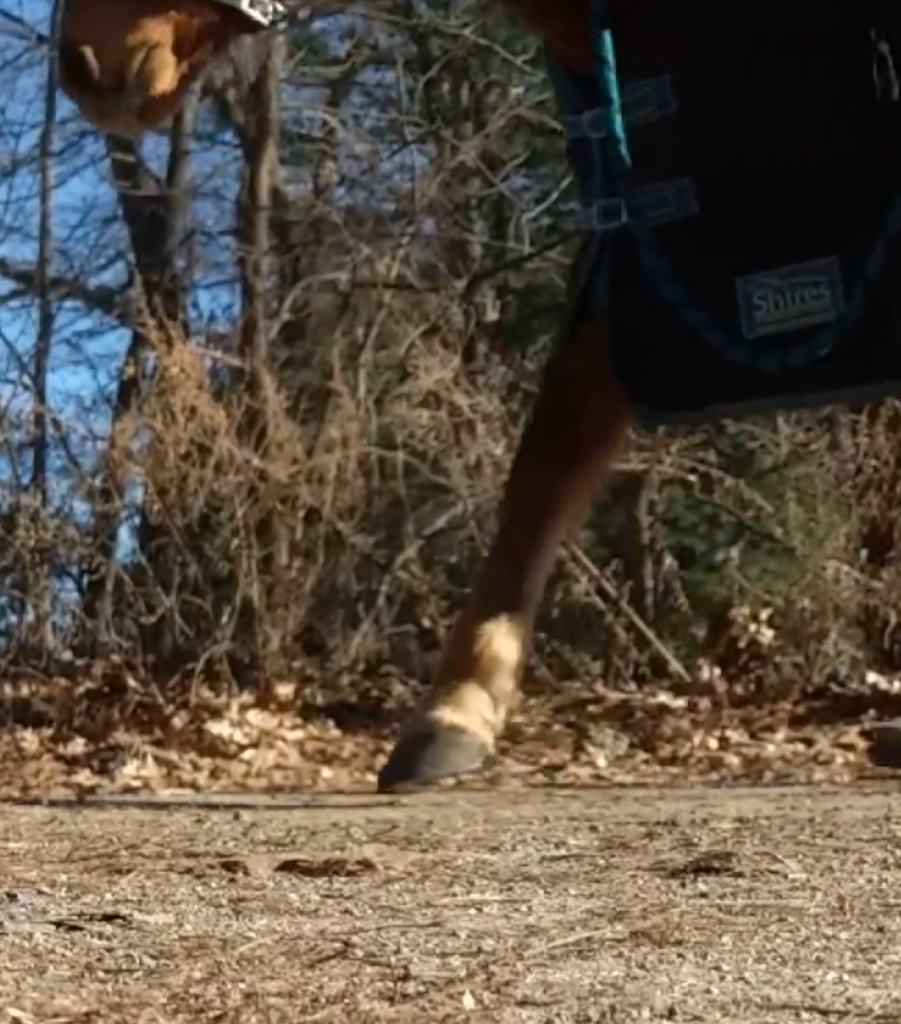
Initially, those changes may be subtle. A horse may begin landing toe first on one foot. They may shorten the cranial phase of the stride. They may stop tracking up as well with one hind limb. They might consistently shift weight while standing. Some of these are more subtle, and may not seem alarming, but it’s important to notice these things so we can make sure issues aren’t developing or progressive.
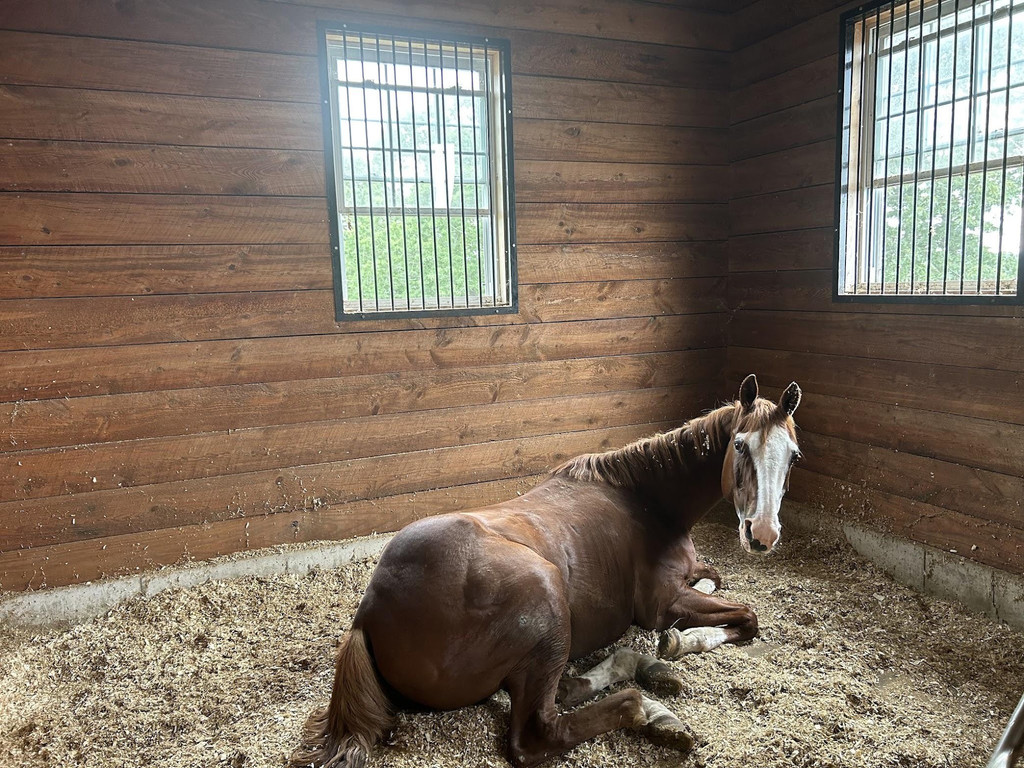
Sometimes the changes aren’t obvious until you compare videos taken months apart. A horse may stop tracking up. They may swing one limb outward rather than moving it straight forward. They may stand with one foot constantly placed ahead of the other. They might become reluctant to turn tightly, back up, pick up a particular foot, or stand for the hoofcare provider.
Transitions can become revealing as well. A horse may walk reasonably comfortably but become visibly uncomfortable when asked to trot. They might struggle transitioning into canter, repeatedly pick up one lead, swap behind, or become reluctant to stay in a certain gait.
Even behavior can become part of the picture. A previously willing horse may pin their ears when asked to move forward, resist going downhill, become reluctant to leave the barn, stop wanting to be caught for riding, or suddenly become “lazy.” Those behaviors aren’t proof of pain by themselves. Training, environment, fear, tack, rider balance, and many other factors can affect behavior. But when behavior changes it is important to investigate a potential “why.”
When Does This Become a Quality-of-Life Conversation?
There isn’t one movement change that tells us a horse has a poor quality of life. An old horse with a mild head bob may be perfectly happy. Another horse may have relatively subtle-looking lameness but be dealing with significant chronic pain.
Instead of looking for one sign, I think it’s more helpful to look at the whole horse and the overall trend.
Can they comfortably get to food and water? Can they move around their turnout without significant pain? Can they interact with other horses? Can they comfortably stand for necessary hoofcare and veterinary care? Do they still show interest in their surroundings? Are they having substantially more good days than difficult ones? And importantly, how much intervention does it take to keep them comfortable?
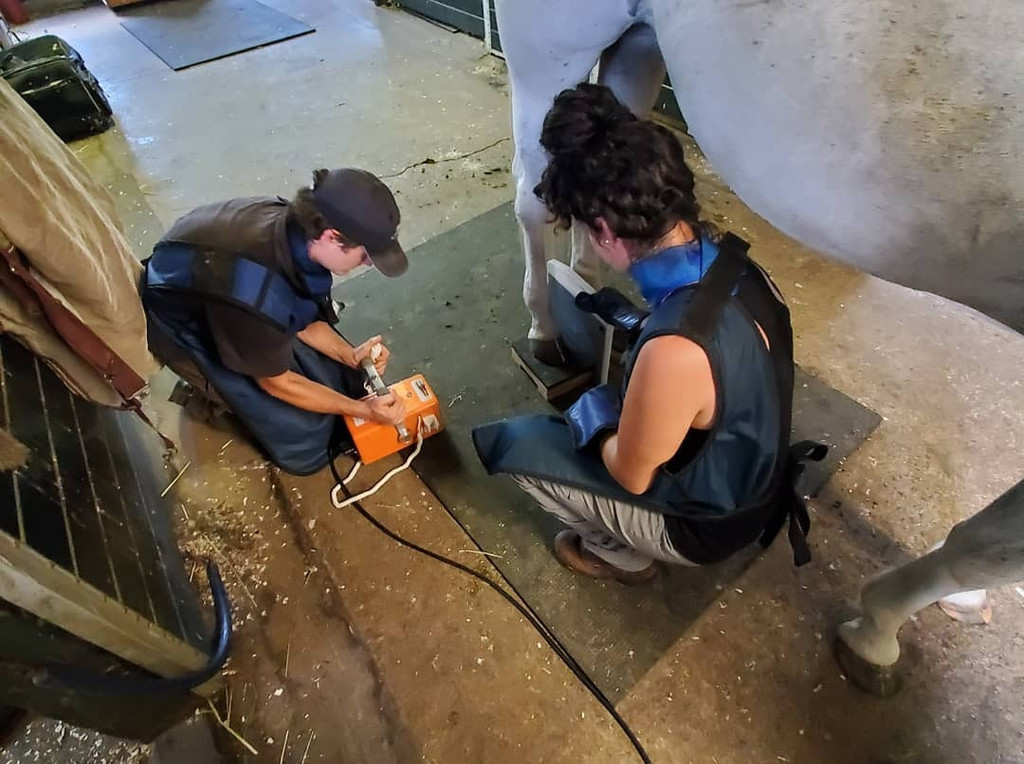
Needing boots isn’t a quality-of-life failure. Needing medication isn’t automatically a quality-of-life failure. Needing a modified environment isn’t a failure either. Management is part of caring for horses. But if a horse is persistently painful despite appropriate veterinary treatment, hoof protection, environmental changes, medication, and other reasonable interventions, then we have to be willing to have a different conversation.
If they’re struggling to walk to food and water, repeatedly unable or reluctant to get up, constantly shifting weight, chronically guarding their movement, or spending much of their day trying not to hurt, our definition of “sound enough” needs to change. At that point, the question isn’t whether we can keep the horse alive, it’s whether we’re successfully keeping them comfortable to where they can feel safe and meet their mental, emotional, and physical needs.
Watch the Horse You Have in Front of You
One of the most valuable things an owner can do is learn what normal looks like for their own horse. Take videos when they’re feeling good. Film them walking away from you, toward you, and from the side on a flat surface. Occasionally film their feet in slow motion. Pay attention to how they normally stand, how they turn, how long their stride is, and how they interact with their environment. That gives you something incredibly valuable: a baseline. Then, when something changes, you aren’t relying entirely on memory.
And if you start noticing persistent changes, like a head bob, hip hike, altered landing, shorter stride, difficulty turning, reluctance to move, or simply a horse that doesn’t seem as comfortable as they used to, bring your veterinarian into the conversation. A thorough lameness examination and appropriate diagnostics can help determine where discomfort is originating rather than simply trying to correct the visible compensation. As hoofcare providers and owners, we can observe movement. We can recognize patterns. We can notice when something changes.
The better we know our horses and their normal patterns, the sooner we can recognize those changes, investigate the reason behind them, and make decisions that keep their comfort and quality of life at the center of everything we do.